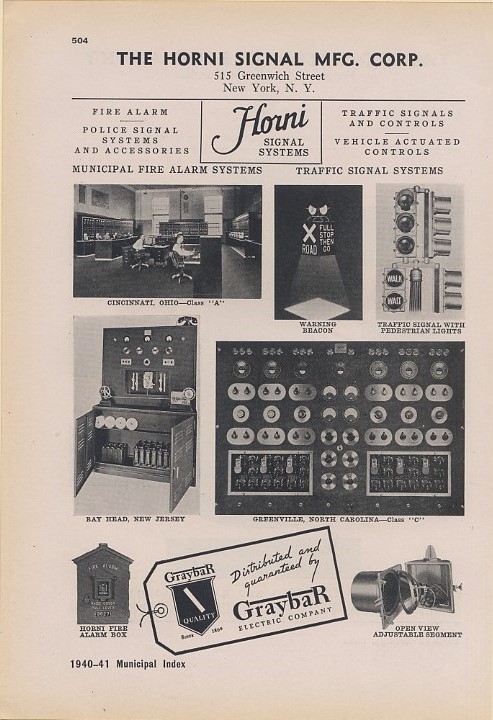
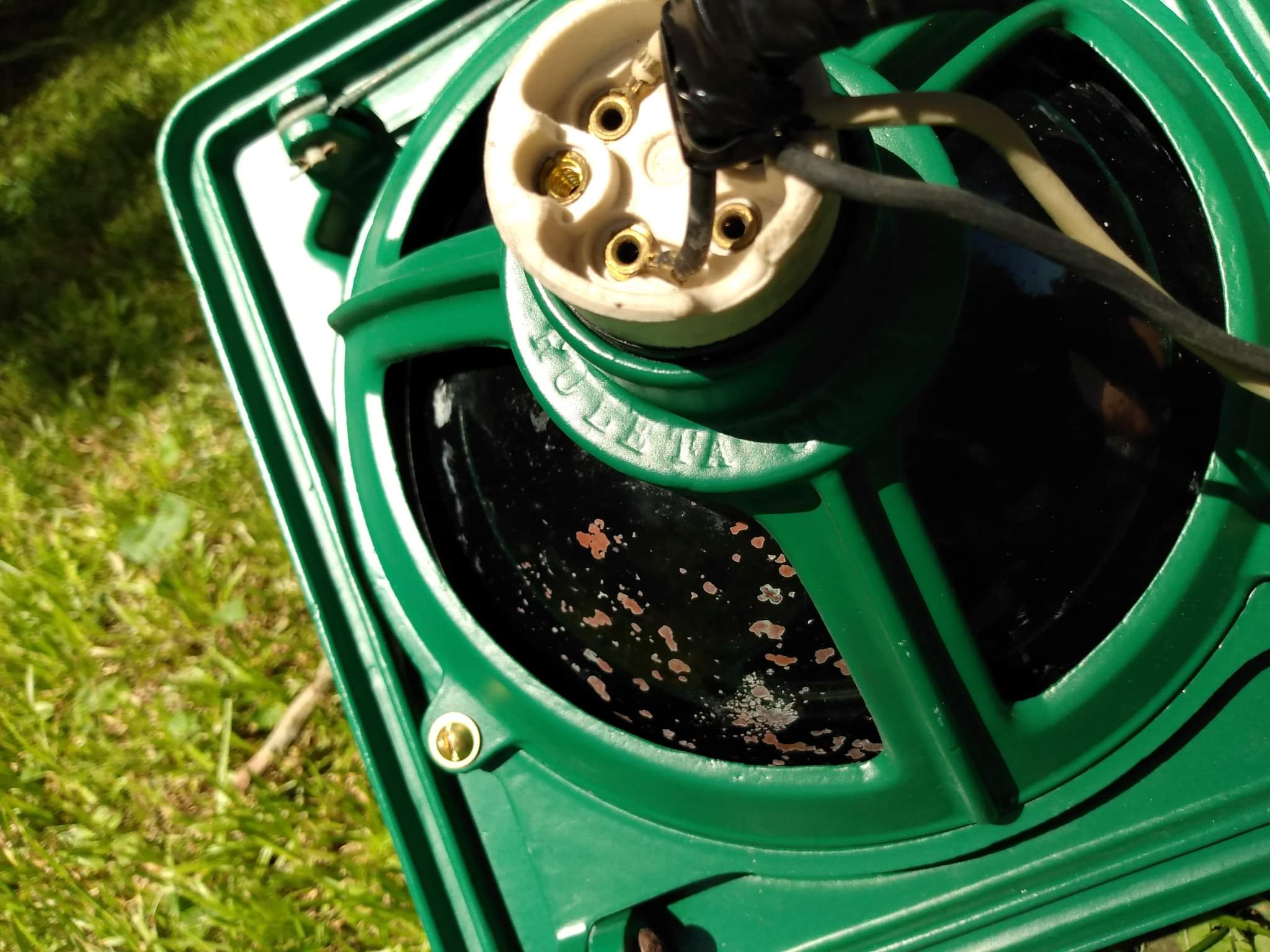
The history of The Marbelite Company, and of the smaller, shorter-lived Ruleta Company, both originally owned by Charles Lenz, has interested, and sometimes mystified, the traffic signal collecting community for years. This page is my attempt to present both Marbelite’s and Ruleta’s historical timeline from the perspective of the signals themselves. Interestingly, Horni Signal Mfg.Corp. provided much of the equipment that both Marbelite and Ruleta used at different times.
Memoirs of Thomas Lemm, son of late Marbelite executive Bill Lemm
Before proceeding with the signal chronology, I would like to share this memoir of some of the Marbelite Company’s people and places. Thomas Lemm kindly wrote to me about his father’s days as an executive for Marbelite. The emails from December 2023 are reprinted below with Mr. Lemm’s permission:
Thomas Lemm Email #I
Enjoyed reading the article. My Dad, William “Bill” Lemm (1913-2009) was the EVP and VP of Sales for Marbelite from 1953 until he retired in 1980. He had been a friend since teenage years in Nyack, NY of William “Bill” Lenz, who took over Marbelite in the 1940’s from his uncle [Charles Lenz]. They had an older man of Hungarian descent who designed the electro-mechanical controller and some of the optics in the signals. I can’t remember his name.
The business was originally in lower Manhattan until about 1963 when Mr. Lenz bought the 4 story building at is now 28 Roebling Street in the Williamsburg section of Brooklyn. They also had a paint and signal assembly shop at the corner of 9th and Driggs. Mr. Lenz died in 1977. BTW – 28 Roebling Street has been converted into a beautiful residential building called Feather Lofts.
The company had been in chapter 11 bankruptcy for a few years. Joe Lipari took over the company after Lenz. Eagle bought out Marbelite by 1979 or 1980, and Lipari moved the company over to NJ where it was primarily a distributer for Eagle still selling some of the Marbelite products.
My Dad brought me to the office and plant frequently as a kid, and I worked for Marbelite during summers and Christmas vacation while in college. Great group of people and many fond memories.
Thomas Lemm Email #2
A few more facts to add. Bill Lenz (1914-1977) took over the business from his uncle Charles Lenz in the late forties. He and my Dad both played football for Nyack (NY) High School in the early 1930’s. Lenz asked my Dad to come to work with him in the late forties, and he finally did in 1953.
Marbelite early on was the sole supplier of traffic control equipment to New York City. In fact they won an order from NYC in 1957 for 1000 electro mechanical controllers that took several years to complete manufacture. Marbelite had a network of sales agent across the country who sold directly to the smaller municipalities. Jack Hare was the agent who handled NJ and eastern PA. He and my Dad stayed in touch until Dad’s passing. When NYC began to buy from Eagle, Econolite and Automatic Signal, etc., Marbelite starting selling directly to other large cities including Philadelphia, Chicago, New Orleans, Houston, and to state DOT’s. Marbelite did not have much business in the Southeast – this was mostly Eagle territory. My Dad moved to Houston, TX at age 90 to be near me and my older brother. He would always comment on the various intersections about whether or not they were designed properly.
Although Federal Yellow is a common color for signals, almost all the large cities had their own shade of green which varied from Chicago to Philadelphia to NYC to the state of NJ. Four years ago, I saw Marbelite 8 inch and 12 inch signals still operating in New Orleans that were sold to them in the early 1970’s although they had been converted to LED.
We lived in Dumont in Bergen County, and my Dad provided fast turnaround on controller repairs to neighboring boroughs. In fact, I can remember a couple times where a Dumont police car would pull up at the house and either drop something off or ask him to take a look at the controller at Madison and Washington Aves. I also remember he and I replacing a repaired timer in Norwood. We just opened up the cabinet, hooked it up, and he told me to set the timing how I thought best. He also scanned the papers for traffic signal bids, and
sent them to Jack Hare. He did his darnedest to assure Marbelite equipment in Bergen County.

I don’t know a heck of a lot about the signals other than the foundry that made the signal housings and controller cabinets was in Stamford, CT, Kopp Glass made the lenses, and that they had some issues with colored light bleeding thru on the pedestrian signals that probably was not solved until LED’s. Most of my time working there was handling the spare parts business mostly for the M-30 type electro-mechanical controllers. Mr. Nagy, who was the Chief Engineer for Marbelite in the 1950’s, designed the M-30 [see image at right, Ed.]. It was probably the best electro-mechanical controller of the day, and I think Eagle began selling it when they acquired Marbelite. You can find a schematic of the M-30 on Marbsignal; it used a precision GE clock motor, and a number of relays that drove a cam shaft with knock out cams that actuated silver contact buttons. I also think Mr. Nagy designed the reflector for the signals which I understood was better than most competitors.
Marbelite began producing solid state analog timers in the 1960’s. One model was the MT2SRX where you could set the timing with dials rather than the pins and the cams on the M-30. Digital timers were introduced in the early 1970’s to handle complex 8 phase intersections, and interconnectivity with computers, and microprocessor timers by the mid-70’s. One of the challenges with the digital timers was the solid state relays that switched the signals operating on 120v AC from the timers that ran on low voltage DC. The early solid state relays often failed from excessive heat. Technology later opened the door for a number of high tech companies to enter the field.
I believe Joe Lipari started with Marbelite in the mid to late 1960’s, and assumed increasingly higher levels of responsibility during the 1970’s becoming President when Mr. Lenz passed.
This is a little correction –
when Eagle acquired Marbelite, the business moved to Staten Island, and I think became a distributor for Eagle. Joe later moved the business to NJ. I would think that Joe is in his late 70’s by this time.
A lot has changed since the late 70’s. Signals are now made of plastic. Computer technology has advance and I hope minimized the size of very complex timers. Most of the people who were key players are gone. I have fond memories of Marbelite. Mr. Lenz allowed children of his employees including his own son, to work summers at Marbelite during college break. Although I was studying chemical engineering, I learned a lot from working there that would help me later in my career when I ran chemical plants and managed sales.
Chronology of Marbelite 8″-Lens Signals
1938 – 1947 : The era of Marbelite and Ruleta, associated traffic control equipment companies
Much about the history of The Marbelite Company and The Ruleta Company can be gleaned from their combined ads, published in 1939 and 1940. The first Ruleta signal heads were made sometime soon after Horni sold their old solid-body signal castings to the company. This may have happened as early as 1938, give or take.
The first Marbelite signal heads were probably made around 1940. Although many collectors think of Marbelite as stemming directly from Horni, the very first Marbelite signal heads (of which very few exist today) seem to have been independently developed, with no apparent direct tie-back to Horni.
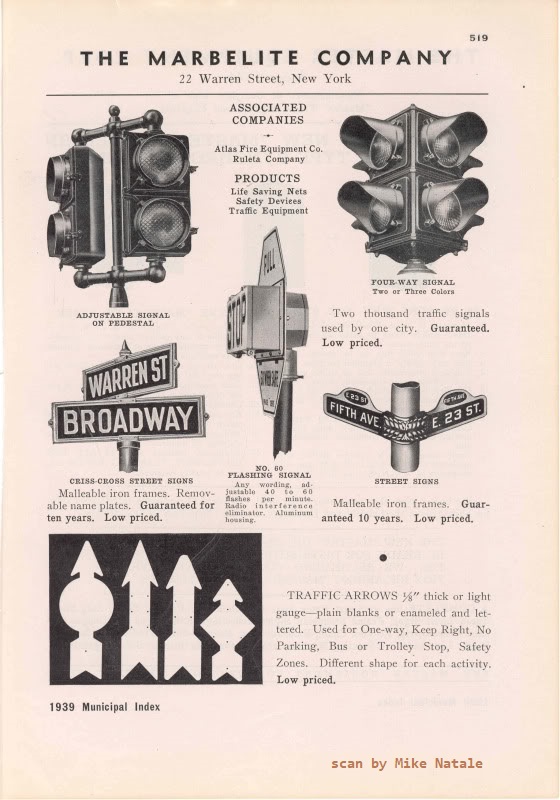
In 1939, it appears that Marbelite manufactured signs, while the associated Ruleta company was producing the signals seen in this ad, which were exclusively used in New York City. The Ruleta signals were cast from the corner-hinged molds that had originally been designed and produced by Horni Signal Mfg. Corp. Horni was still doing business at the time, using newer signal designs. Marbelite would, in turn, acquire these newer Horni signals a few years later. (See the Flat-Top section below.)
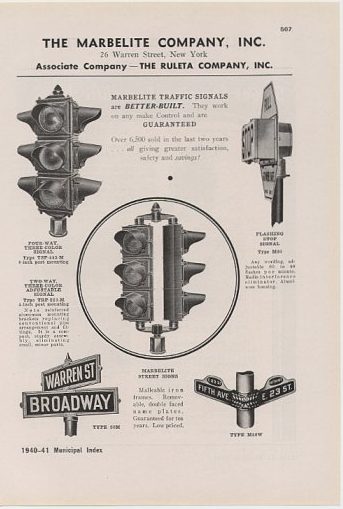
The FIRST Marbelite signals: This 1940 ad depicts a new type of adjustable signal, the first-ever branded as Marbelite, in the center of the ad, along with a 4-way Ruleta in the corner. Many vintage signal collectors don’t know about these early ’40s Marbelite signals. I have only seen two of them make it into anyone’s collection. One of them is below…
1940-47: Pre-War Marbelite tie-rodded 8″ signal heads
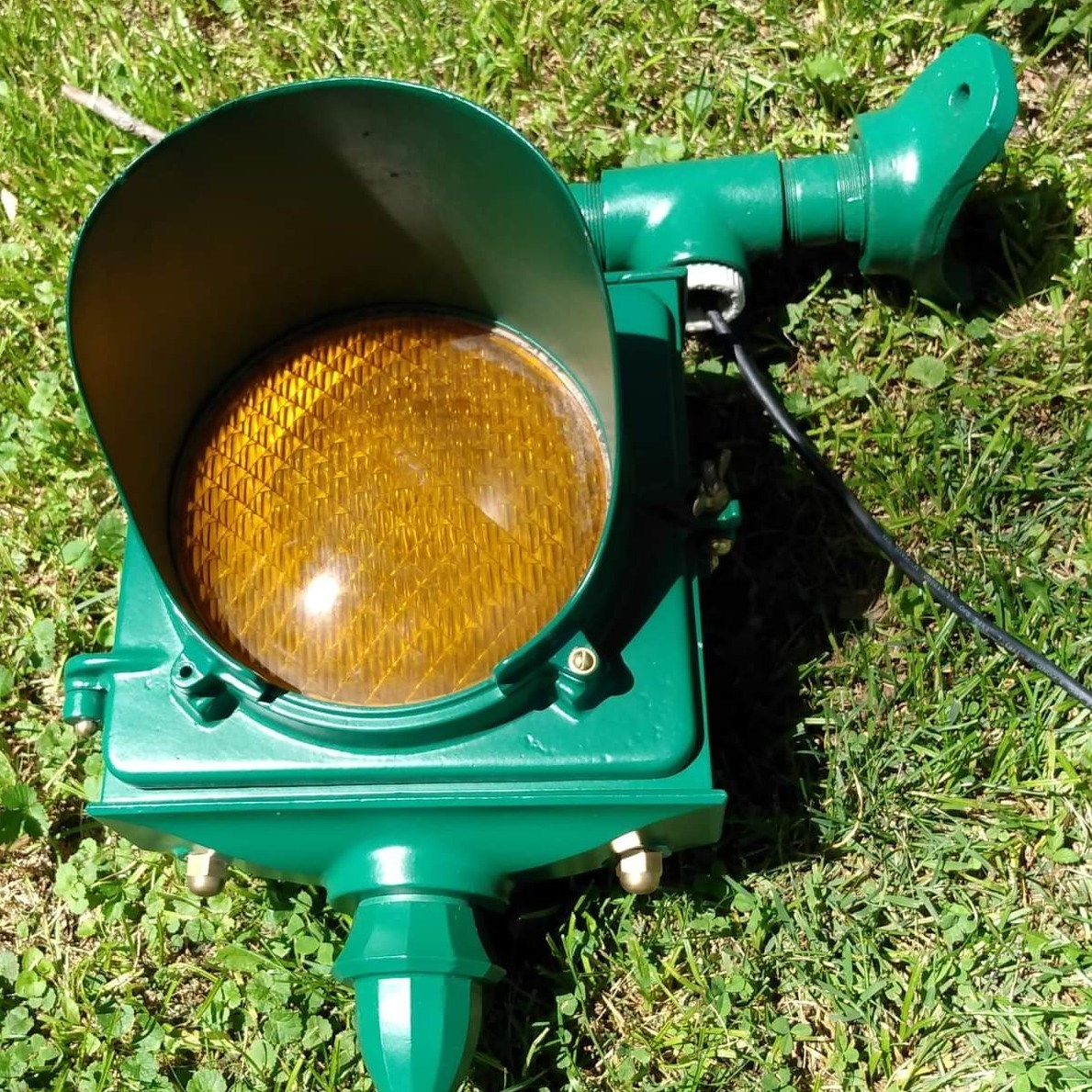
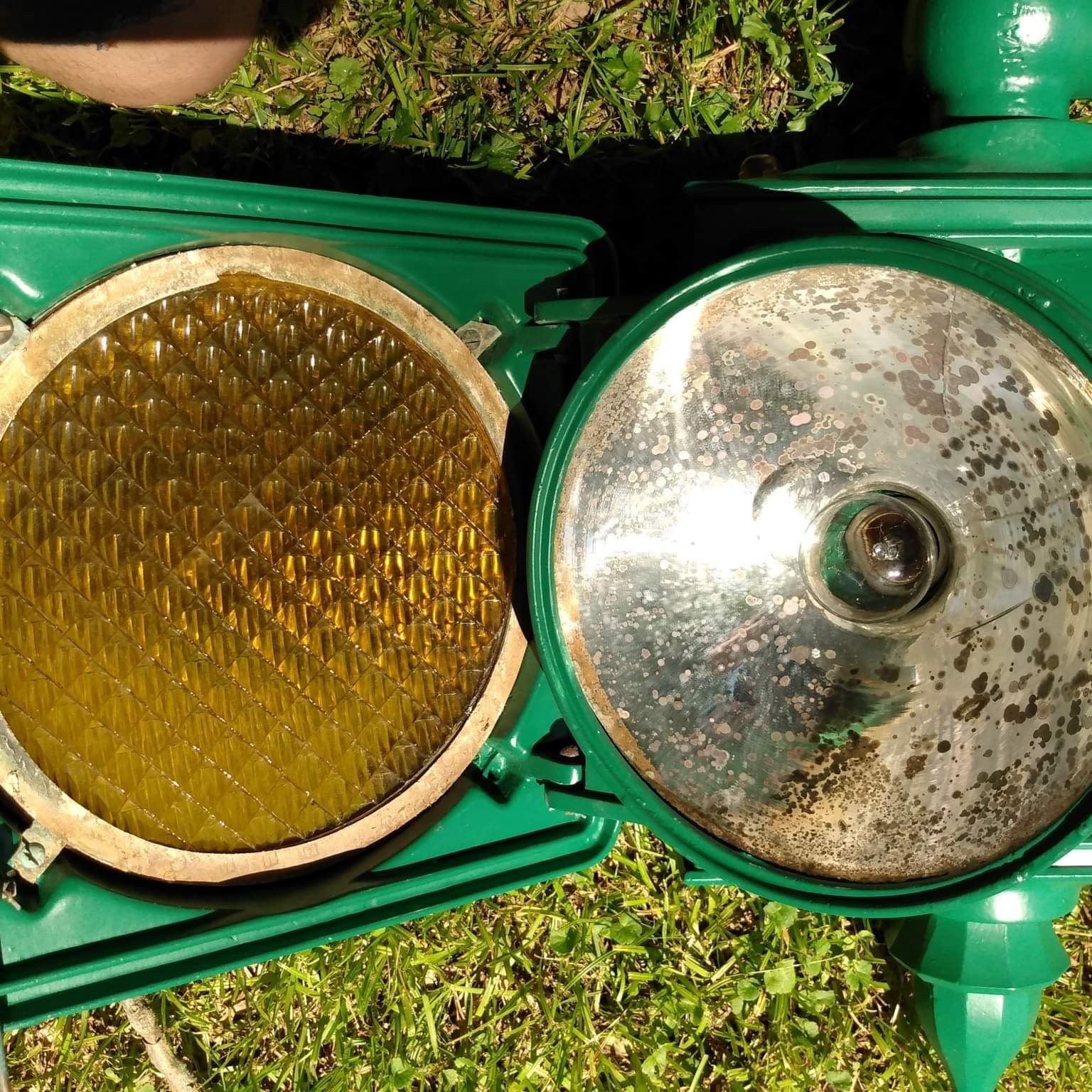
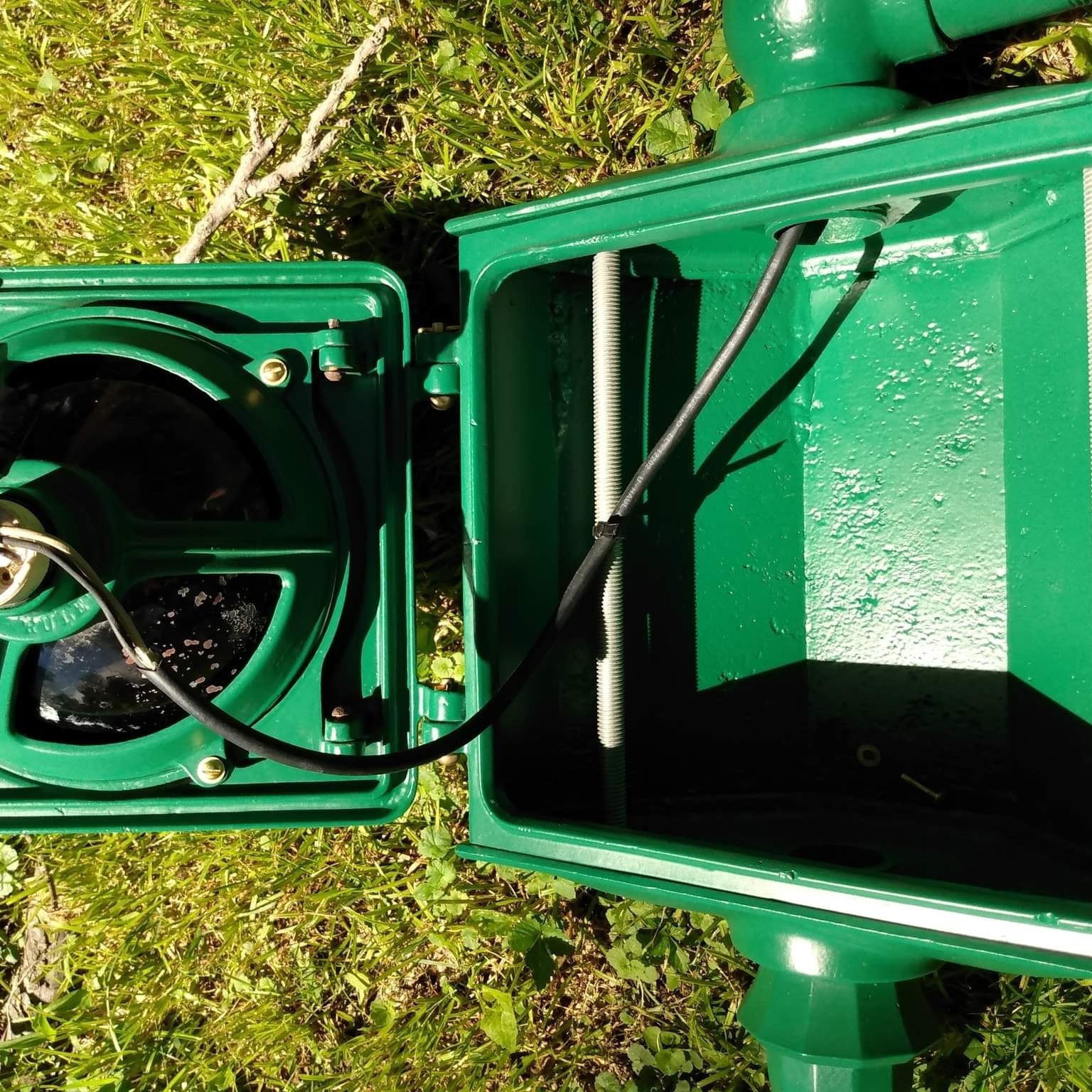
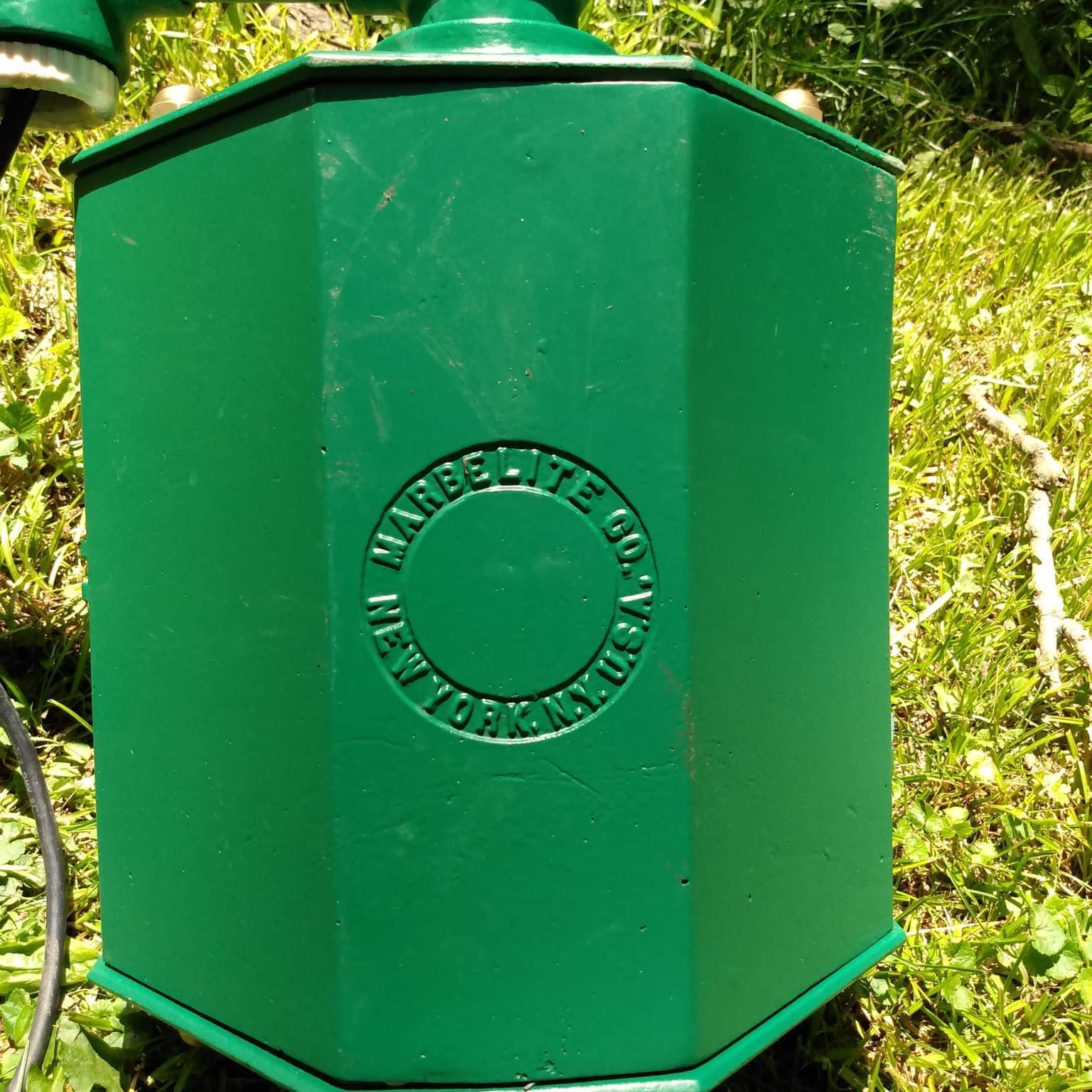
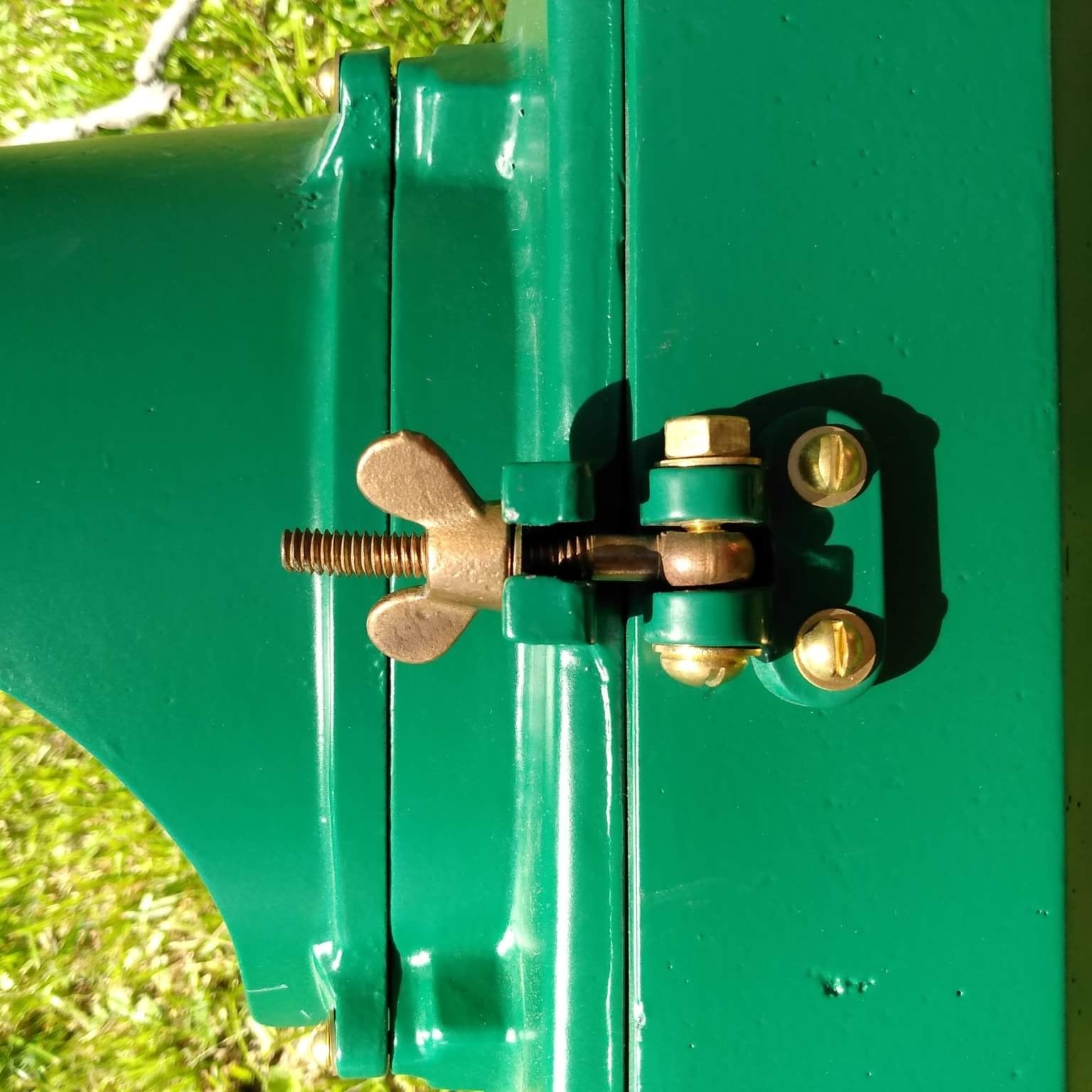
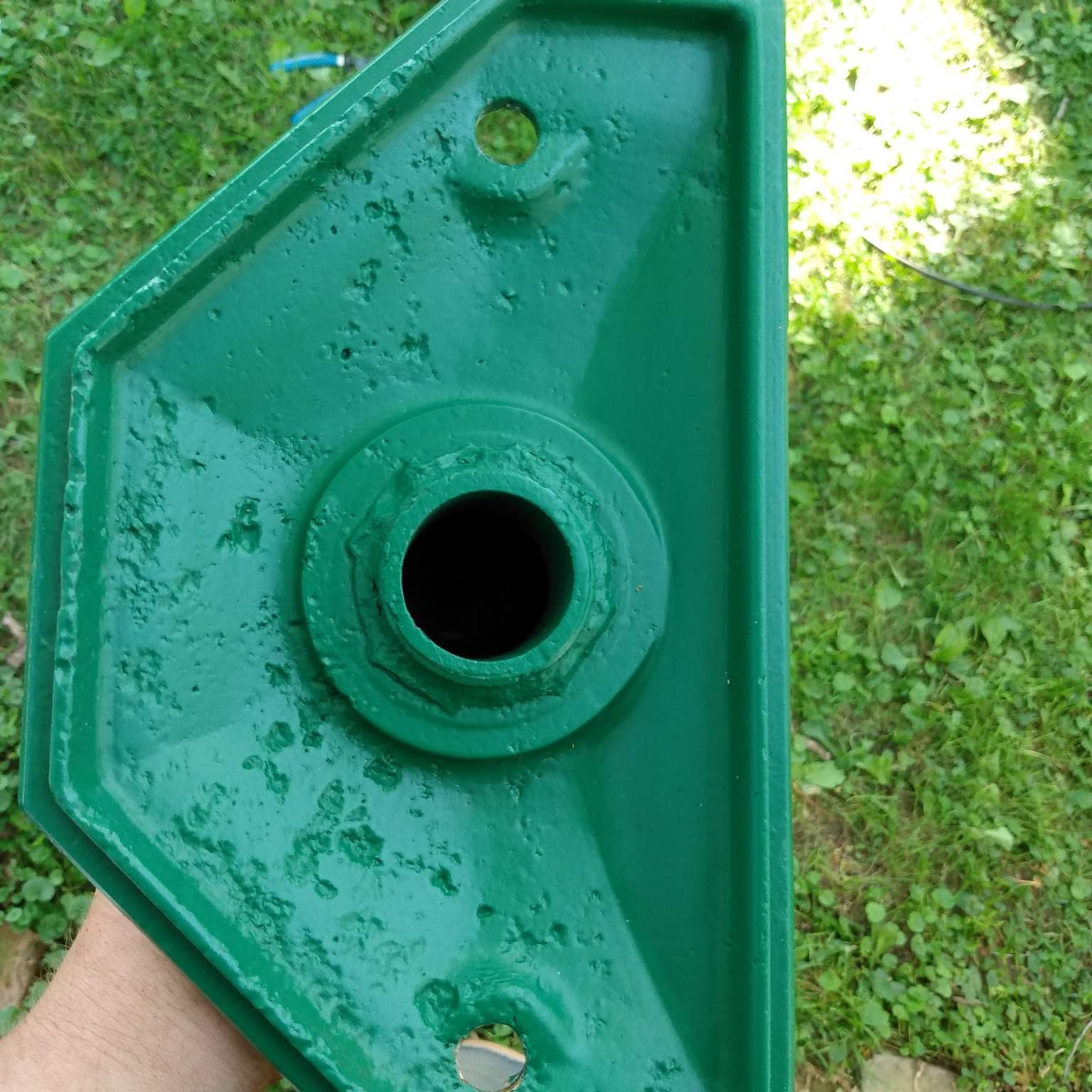
The first Marbelite-branded signal heads, manufactured approximately 1940-47, were adjustable (1-way) lights that looked like a hybrid of AGA signals (similar body shape and end plates), and GE Novaluxes (similar doors and cast visors). These first-generation Marbelites used the same reflector assemblies as their Ruleta counterparts, and were stamped RULETA CO. So, one can say that the first Marbelite signals had an indirect tie-back to Horni – the Ruleta reflectors.
So far, I have only know of two of these signals having made it into anyone’s collection. In both cases, the lights were equipped with Kopp #27 diamond-pattern lenses. Thanks goes to Ohio collector Gerrit Carstensen for sharing the above photos of his single-section light.
Pre-War Marbelite and Ruleta Distribution
Ruleta Signals in New York City
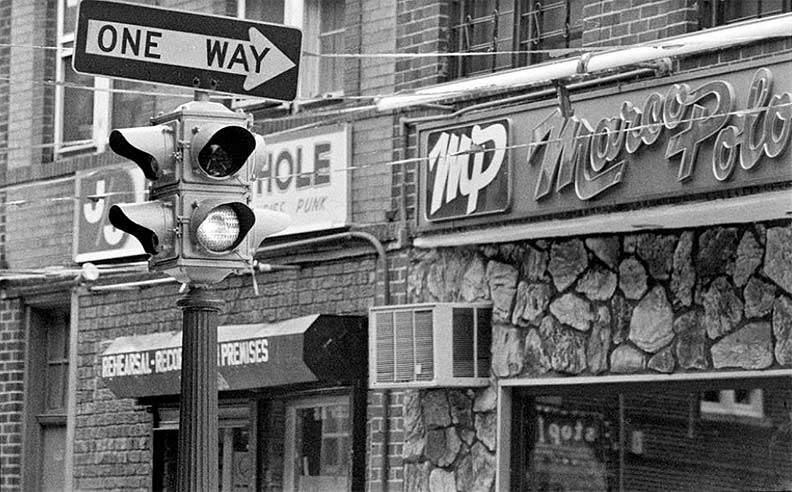
During the early period while Ruleta and Marbelite co-existed, it seems that they only had accounts in New York City and Philadelphia, respectively. The photo above is an example of a Ruleta (or Horni) in it’s natural habitat of New York. Nearly all Ruletas were two-color lights, per the city’s specs of the day. There are thousands upon thousands of photographs, movies and other films where you can see Ruletas in service. They are iconic to 20th Century New York City.
Marbelite Signals in Piladelphia
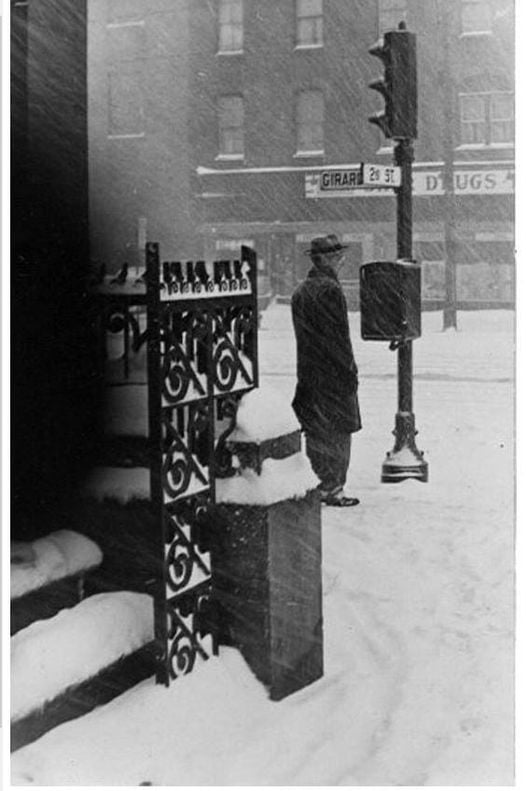

The two photos above show the less conspicuous early Marbelites in Philadelphia. I have found a number of photos of them in service in Philadelphia, but, so far, nowhere else.
1946-47 Marbelite also makes signals acquired from Signal Service Corp.

One year before taking over Horni Signal, Marbelite had taken over Signal Service Corporation of Elizabeth NJ. Marbelite did not produce the AGA/SSC-style signals for very long or in very large numbers, but they are out there. As far as I know, these signals are the same as their SSC predecessors, except that the ID tag indicates Marbelite.
1947-1948 : Post-Horni Marbelite Signals – Generation #1 of 5
Horni housing and reflector system
In 1947, when Horni Signal went out of business, Marbelite acquired Horni’s more modernized equipment as their main product line, and ostensibly took over Horni’s surviving accounts, thereby becoming one of the biggest brands in traffic equipment; on the level of big competitors such as Crouse-Hinds, Eagle and GE. I believe this coincides in the end of the Ruleta brand.
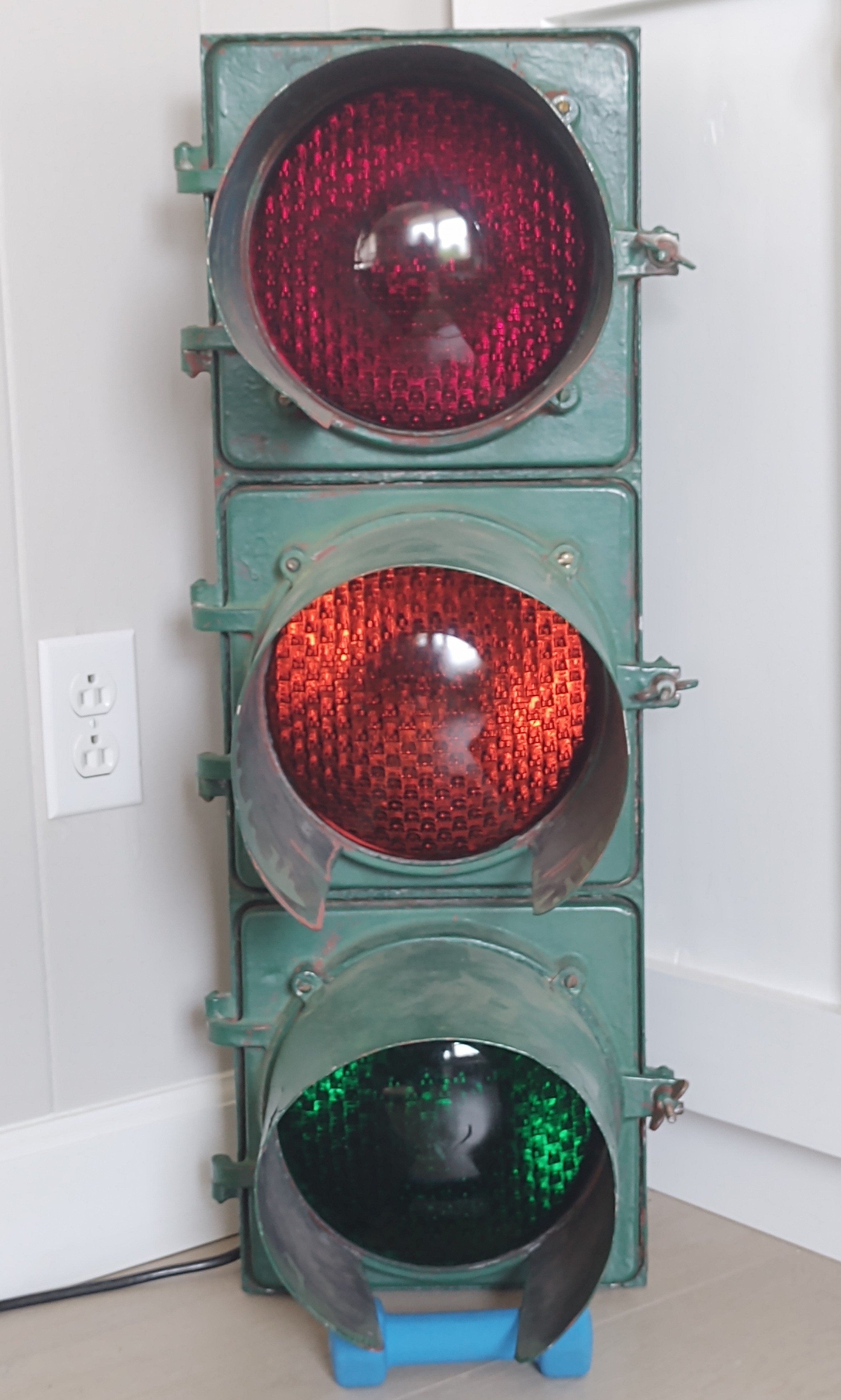
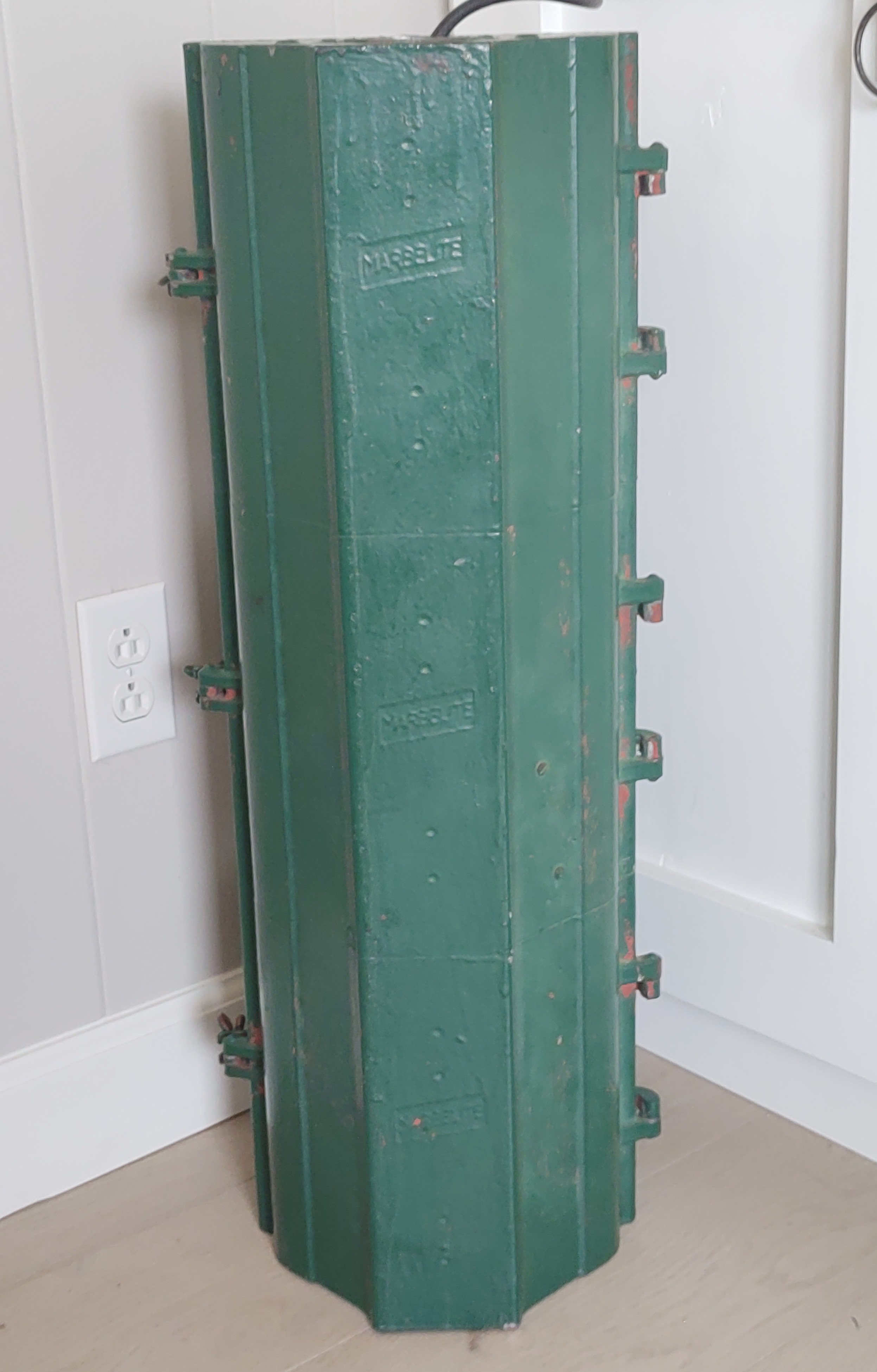
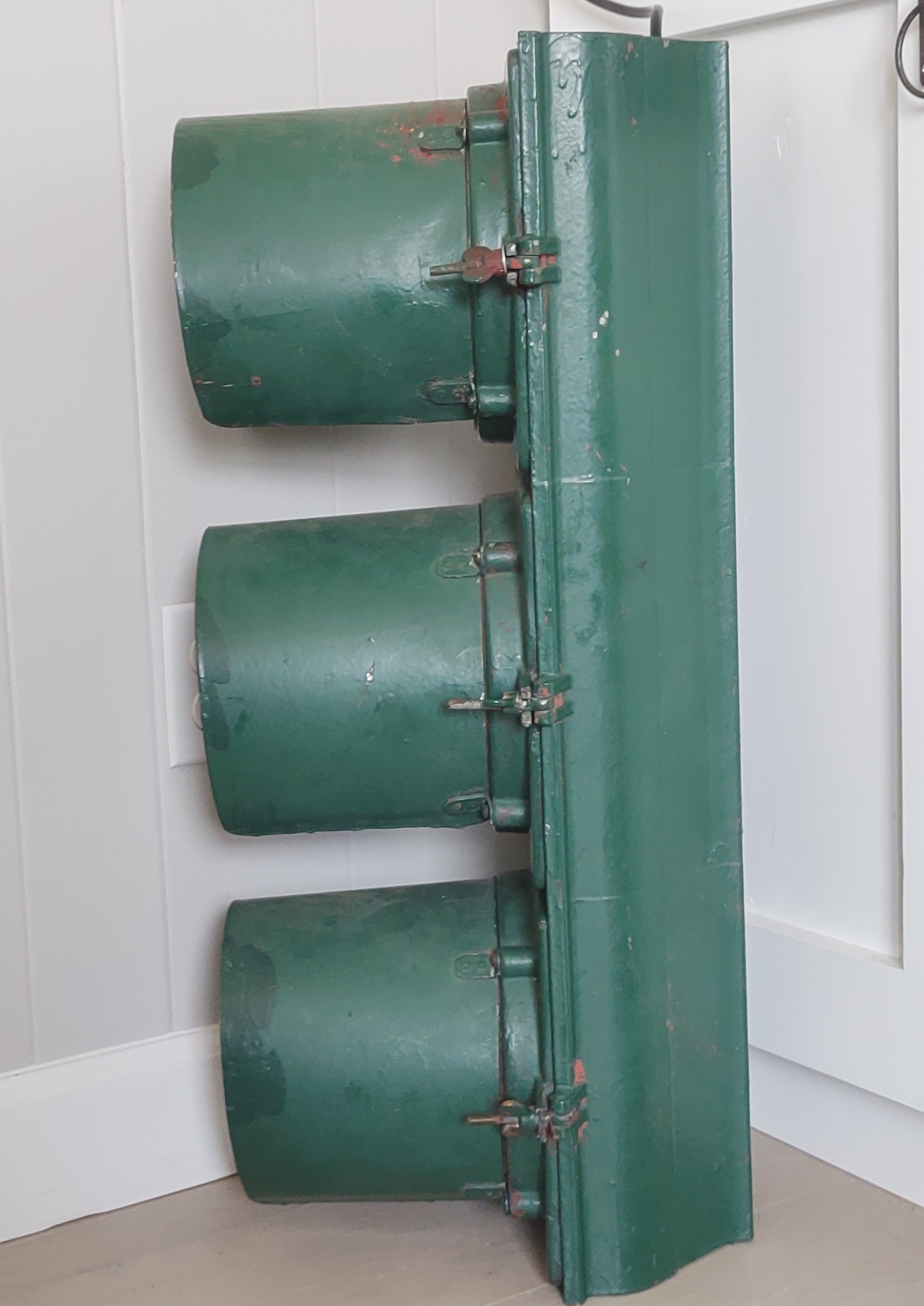
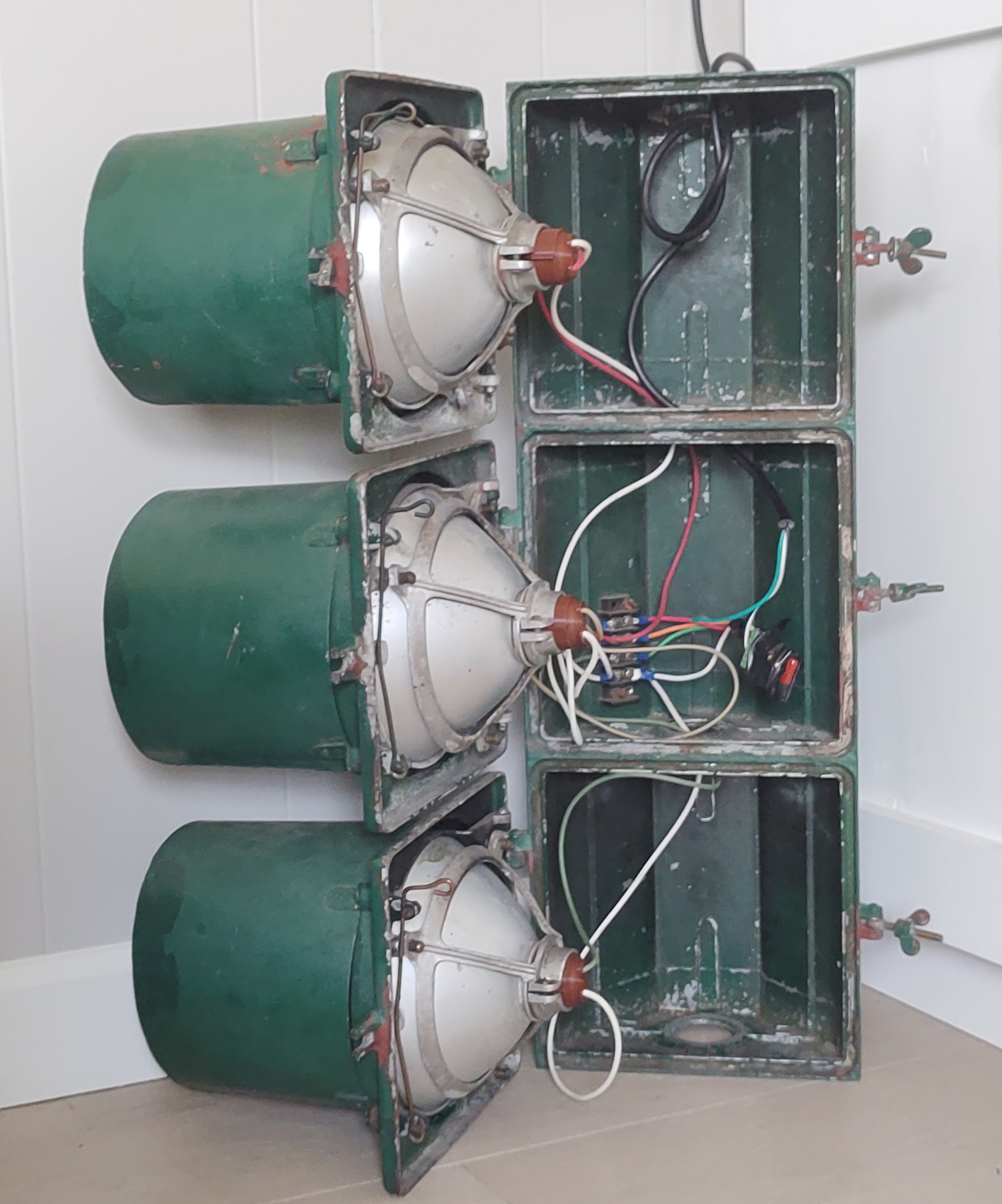
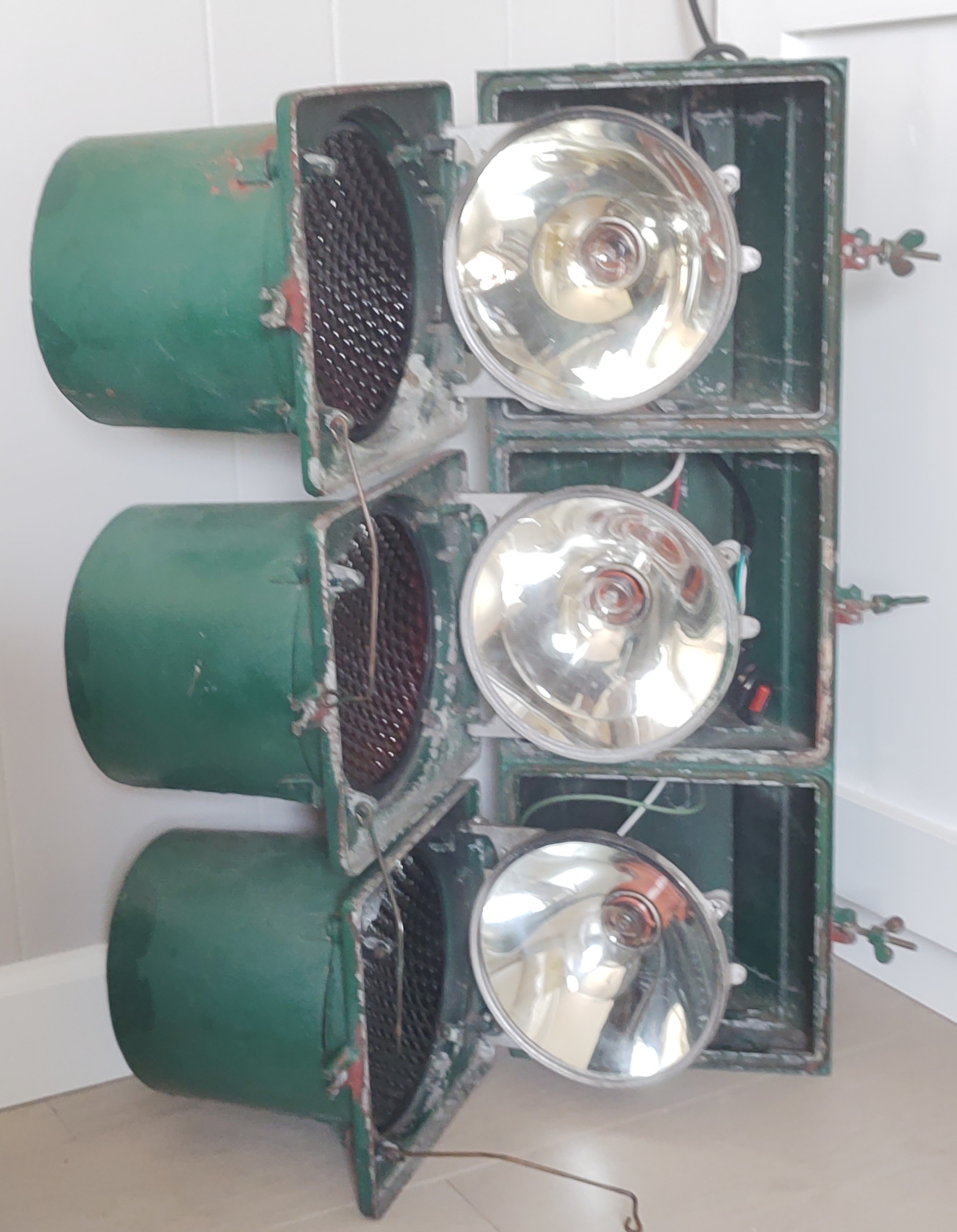

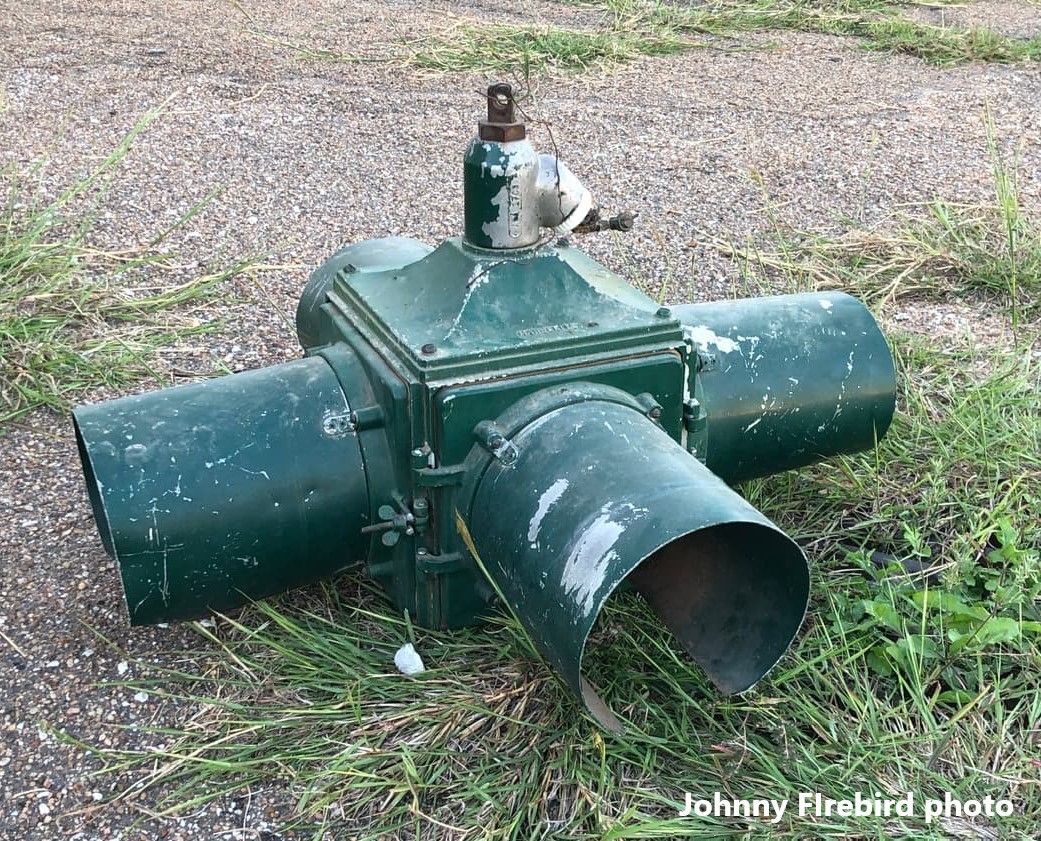
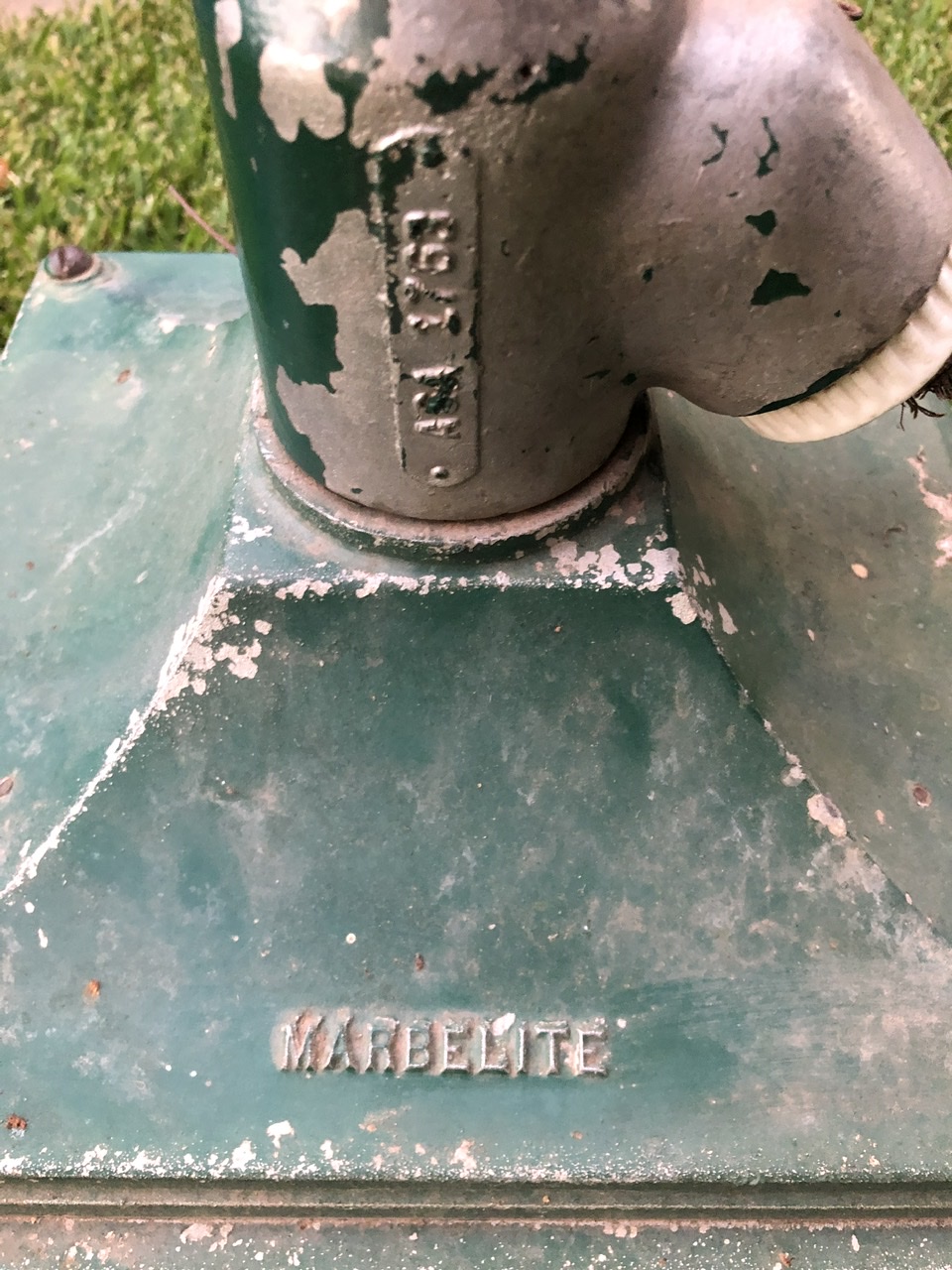
The Marbelite signals acquired from the defunct Horni corporation in 1947 were initially left unchanged, except to remove certain casting IDs and rebrand the logos. The single-face adjustable signals are assembled from self-contained lamp modules with a flat top and bottom. The modules were bolted to one another without the need of extra parts like end plates or fitted tie rods. The reflectors are still the Horni design, using cast metal 3-spoke assemblies attached to the back of the access doors. This is the first generation of what are often called “Marbelite Flat-tops” by collectors. Signals of this specific generation are hard to find.
There are two door varieties in this generation. The original doors (seen above) had a “lipless” edge, but at some point, Marbelite added a square lip or flange around the perimeter of the doors
Regarding Ruleta: I assume Ruleta was gone by, or soon after, 1947. New York City was still installing Ruleta-style signals into the early ’50s, but these had no manufacturer name indicated anywhere on the signal. My NYC signal is one of these later “no-name” Ruletas, with plastic-insulated (i.e., newer) wiring inside.
1948-1950 : Post-Horni Marbelite Signals – Generation #2 of 5
Phantomless reflector system
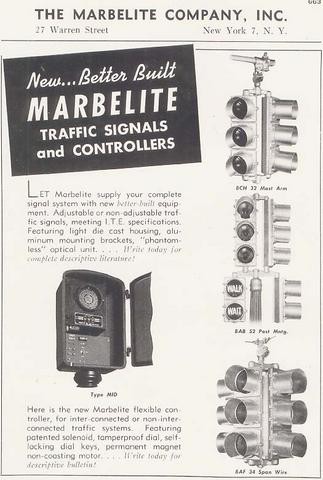
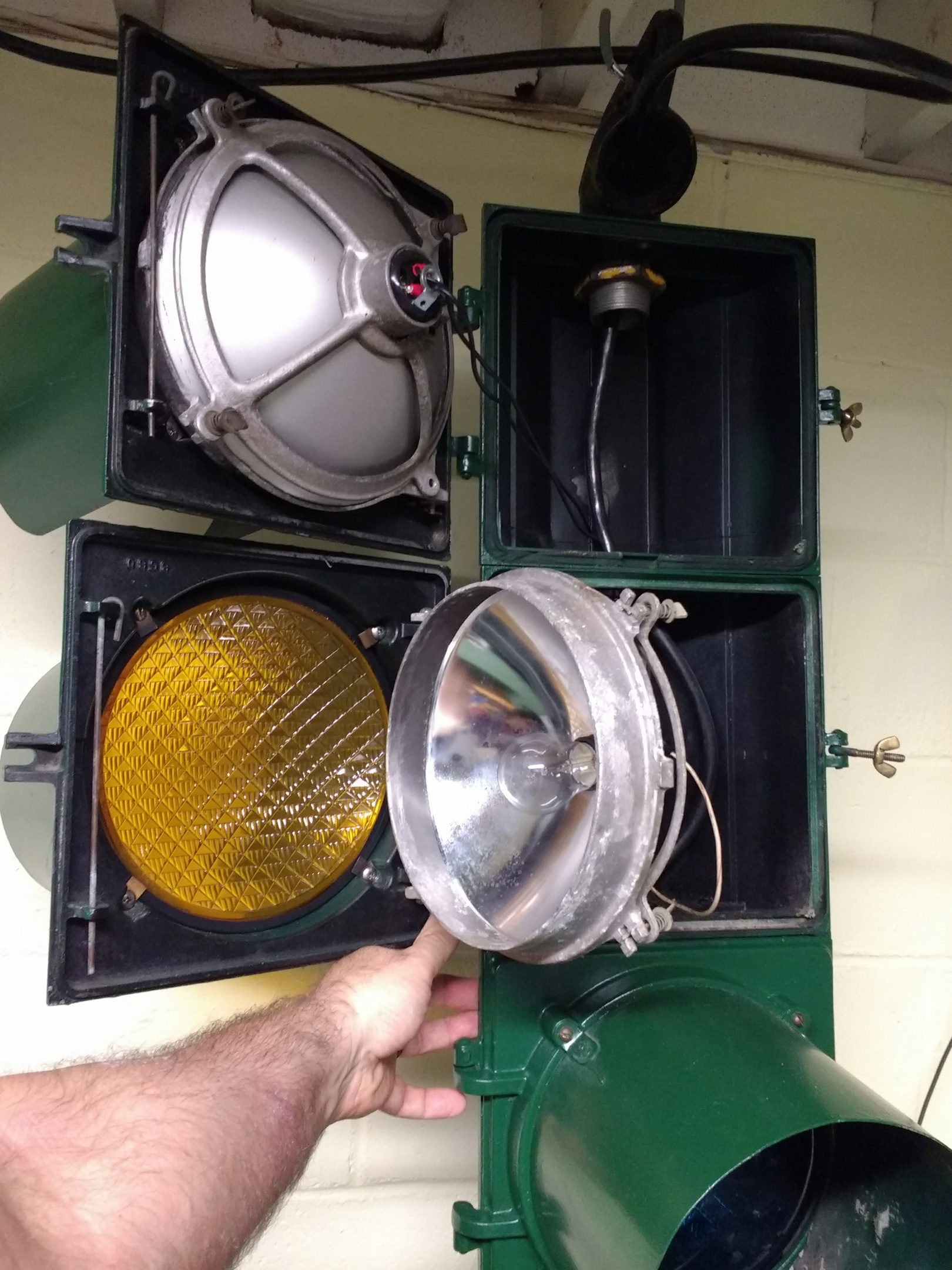
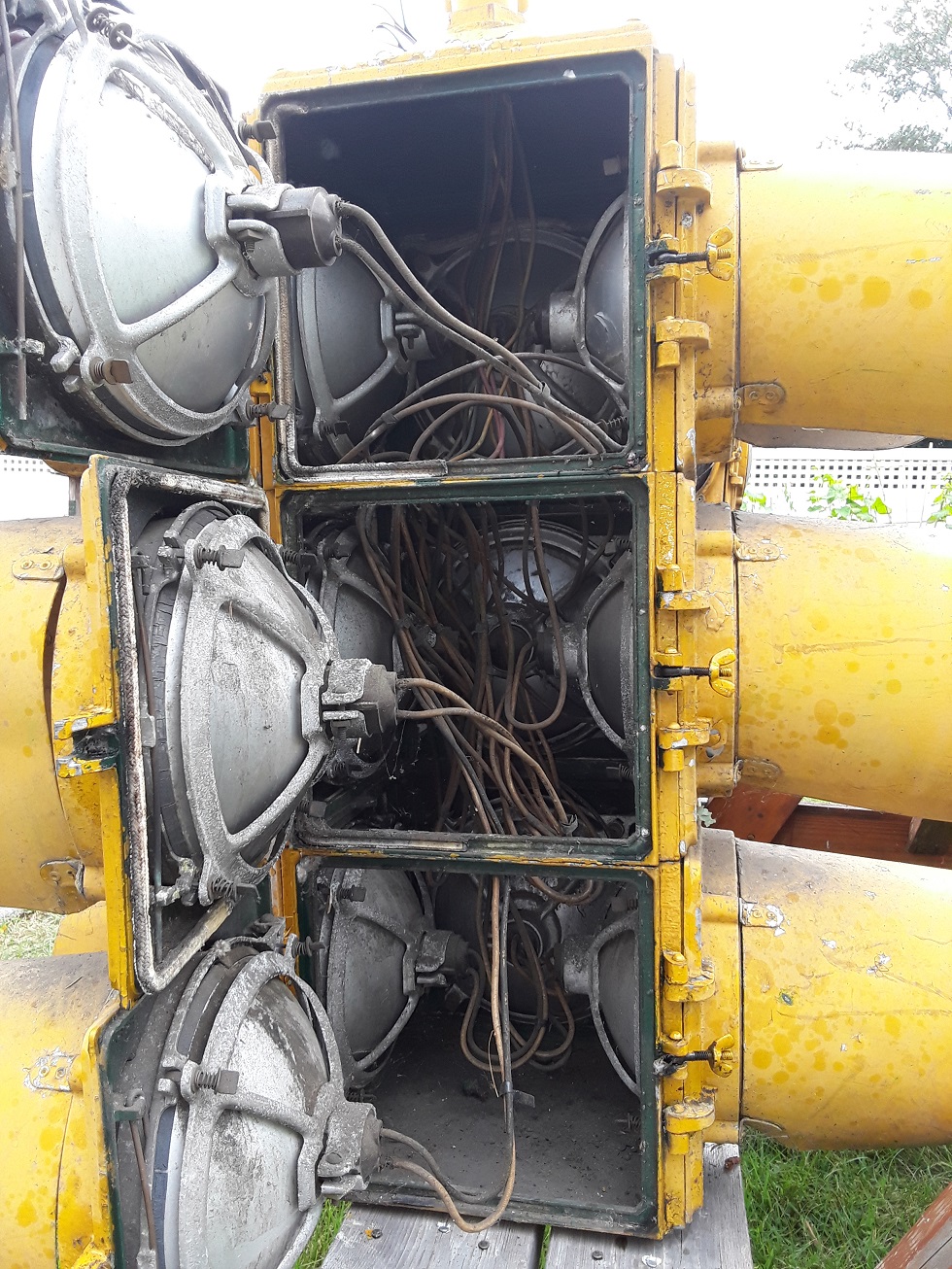

In or around 1948, Marbelite introduced the “phantomless” optical unit to reduce the reflection of ambient light from the signal. This was accomplished with shallower reflectors. The glass is also thinner than in the previous generation. From this point forward, the size of the actual reflector bowls remained unchanged, so if you have one of these “Phantomless” lights in need of reflectors, you should be able to find replacements (either glass or aluminum) fairly easily. It’s not so easy for the older models…
This generation, like the one before it, was not made for very long, and is not easy for collectors to find.
Early – Mid 1950s : Post-Horni Marbelite Signals – Generation #3 of 5
Marbelite PATENT PENDING housing-mounted reflector system
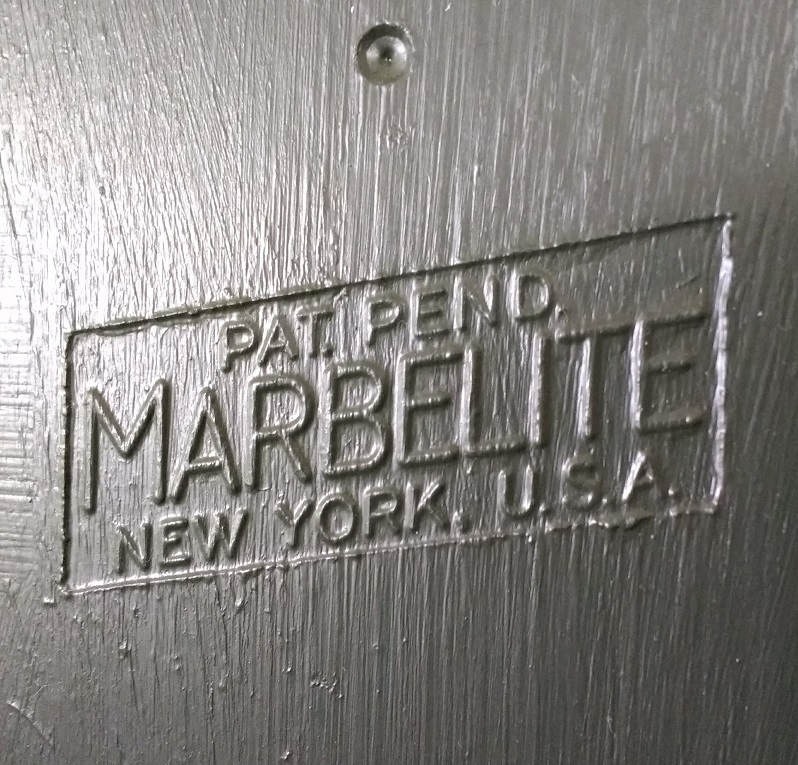
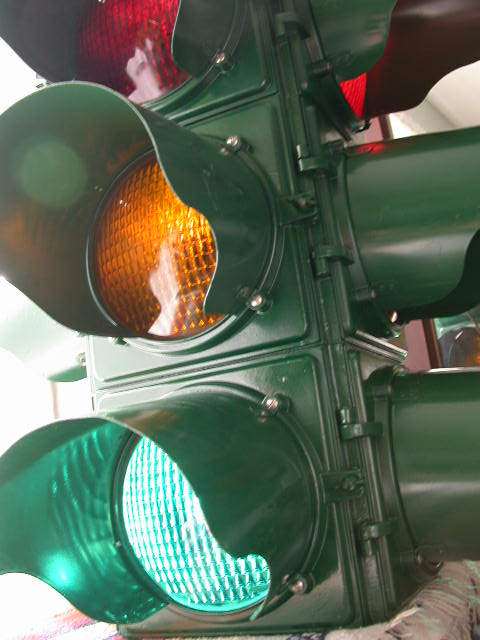
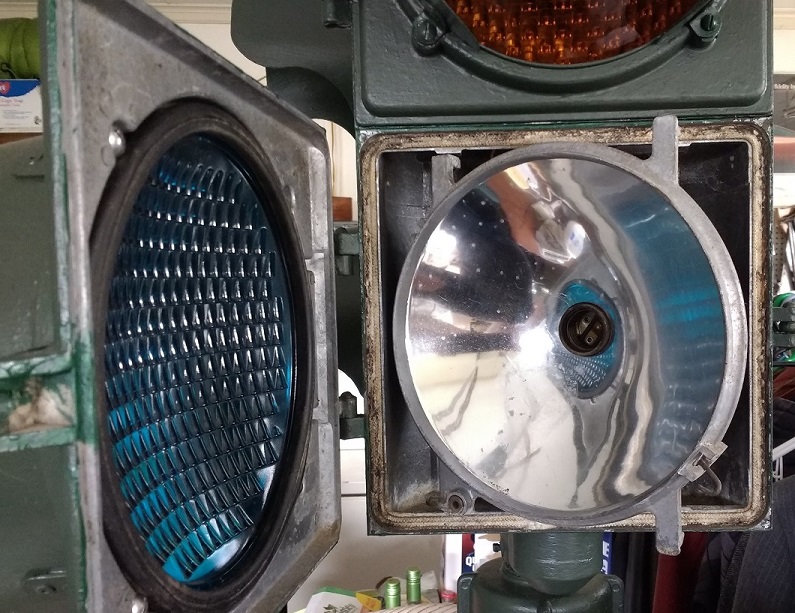
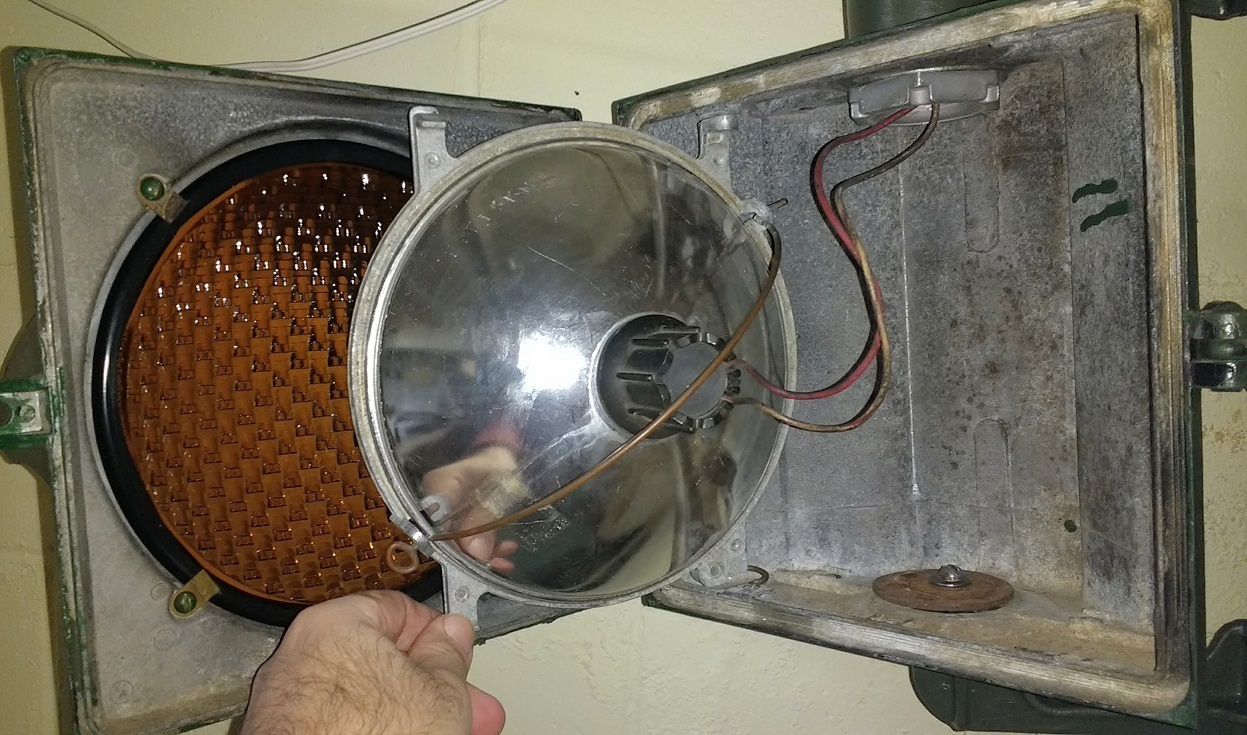
Marbelite’s in-housing reflector system was introduced around 1950, with the patent applied for on Feb 25, 1950. This design improvement was made on the heels of a similar one by made by General Electric in 1949. I was told by Joe LiPari of Marbelite that this housing ID was used until 1953, but there is some evidence that it may have been used longer. Big cities like New York and Detroit installed many thousands of Marbelites starting around this time. In fact, New York City was supplied exclusively by Marbelite from the early ’50s through the 1970s.
- Reflectors are moved from the back of the door to inside the signal housing. The patented reflector system swivels in the housing on a bent brass wire. The reflector glass is unchanged, and I believe aluminum reflectors started being offered.
- Logo change on the adjustable signals: PAT. PEND. and NEW YORK, U.S.A. verbiage was added.
“Finned” (or “Art-Deco”) Marbelites: Gen 3 signals with Optional End Plates


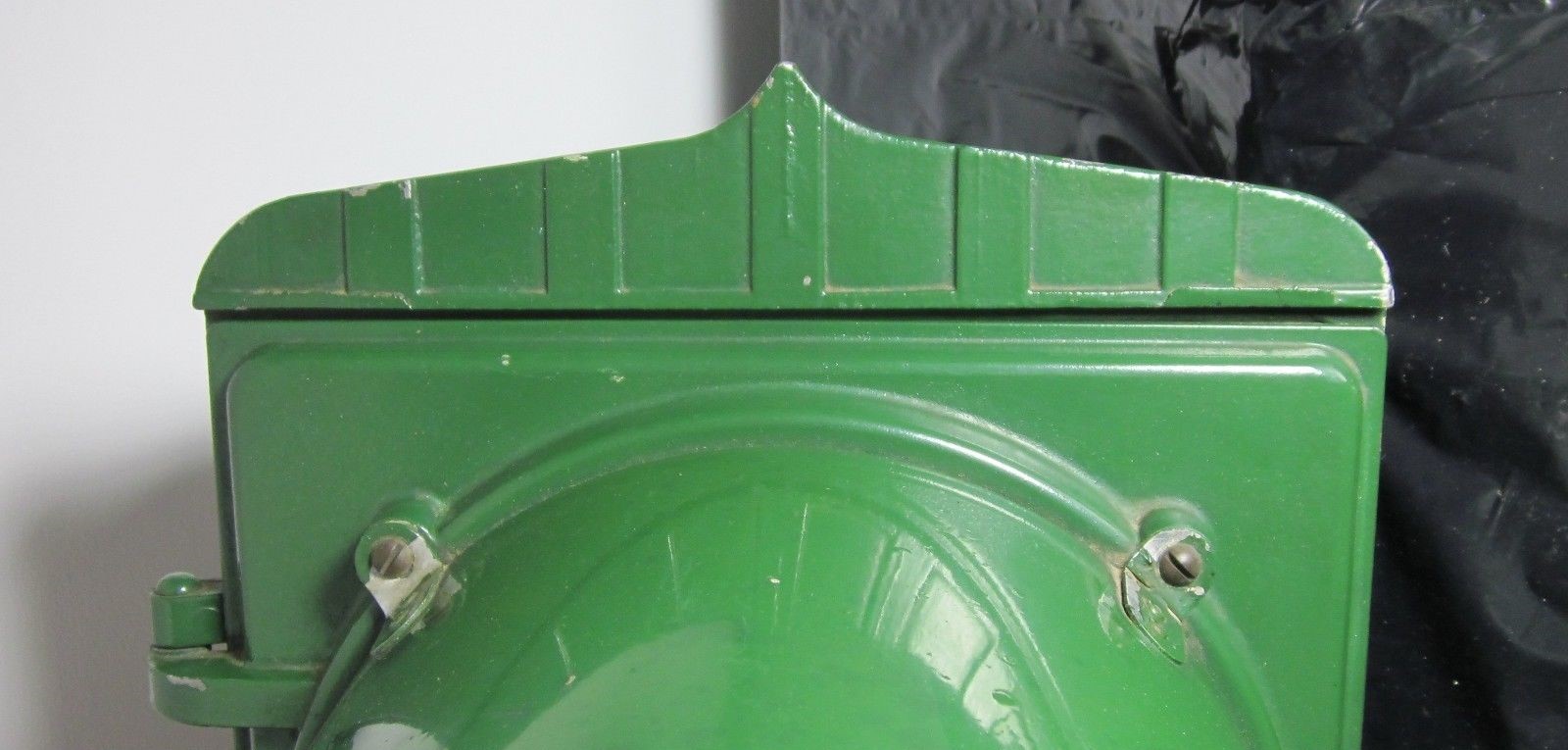
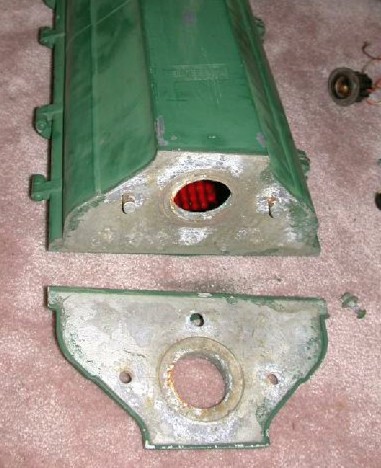
The Gen 3 sectional Marbelite adjustable signals could optionally be provided with decorative end plates and tie rods. This was offered for compliance with outdated specs in certain municipalities, like Chicago and Baltimore. The end plates were merely attached to the top and bottom sections with a single bolt, and then run through with two tie rods. While not a functional necessity, the fins add a graceful touch. The fins came in at least two varieties, a flatter fin with three vertical bars, and a more peaked fin with five bars. These have been coined Finned Marbelites and Marb-Decos by some collectors.
Mid 1950s-1965 : Post-Horni Marbelite Signals – Generation #4 of 5
The Model 1058 adjustable signal introduces recessed housings. Fixed-face signals unchanged.


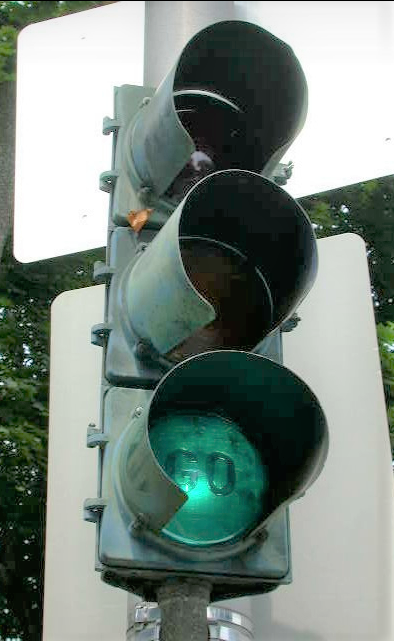
“Model 1058″ is the name used in the 1963 catalog to denote the adjustable (1-way) 8” signals, therefore, this specific generation is often referred to as the Model 1058 by collectors. The adjustable signal sections now have a recessed top and bottom with splined wire entrances, and a rain notch in back to help prevent water from entering the housing. (see photo on top left)
According to Joe LiPari of Marbelite, this generation lasted from 1953 to 1965. Some cities, like NYC and Baltimore, were still installing the earlier generation Marbelites well after 1953, so I am not 100% sure of the accurate start date for this generation.
1965-1978 : Post-Horni Marbelite Signals – Generation #5 of 5
A lighter cast for adjustable signals. Fixed-face 4-way heads discontinued
At this time, Marbelite stopped producing fixed-face 4-way signals, and only produced adjustable and pedestrian signals.

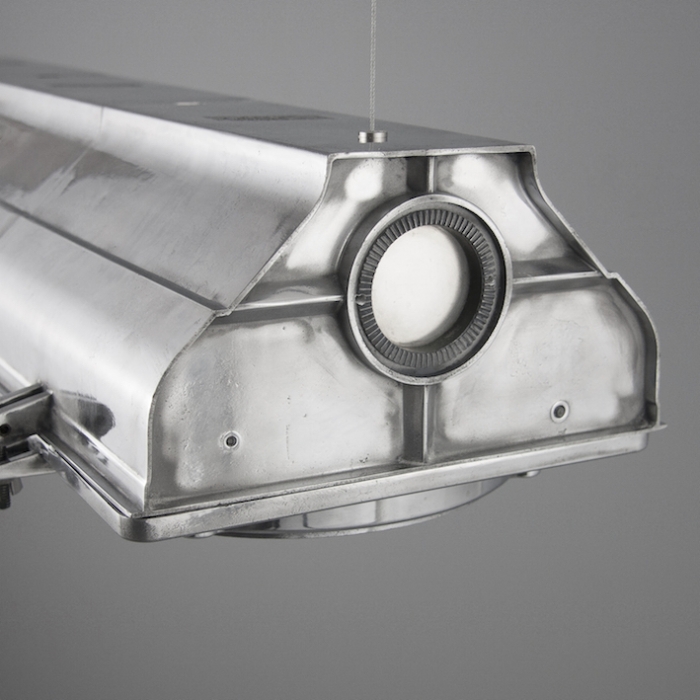
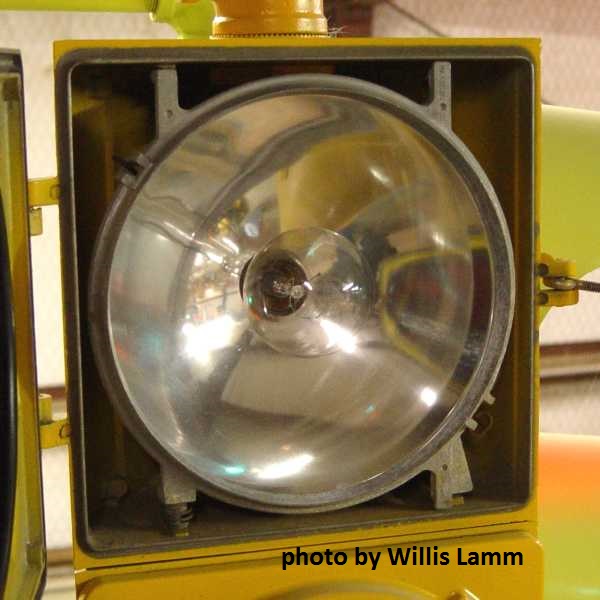
The basic sectional shape and dimensions remained the same from the previous model, but the cast is slightly thinner. The three drill points on the roof and floor of the sections have been removed; sections are always fastened together by rings and carriage bolts.
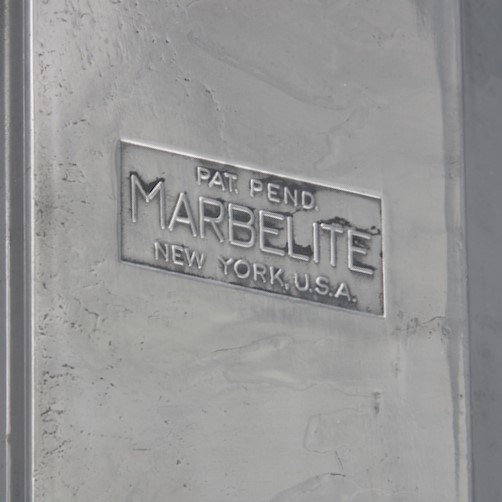
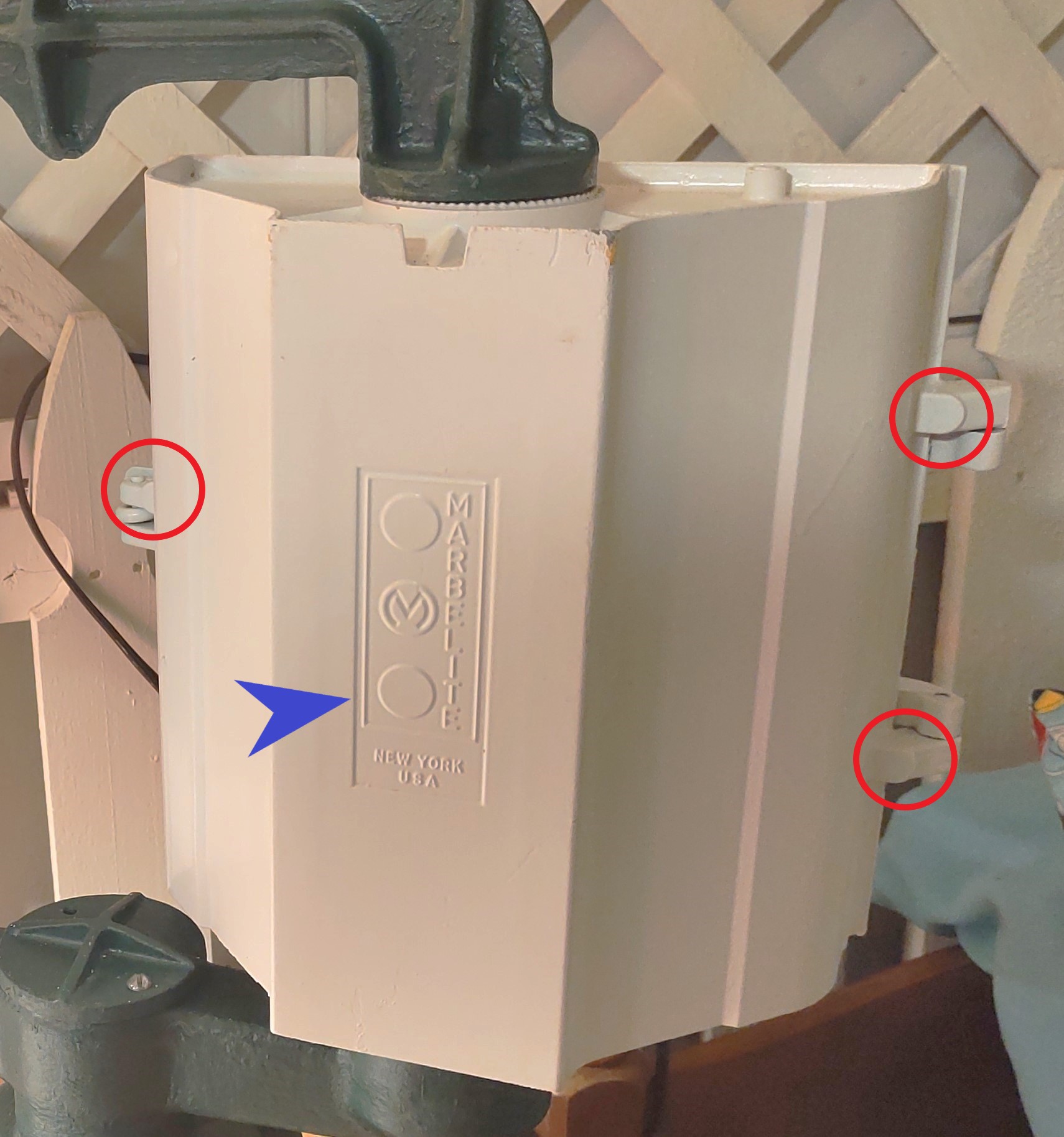
Sometime around 1970, the 8″ housing was modified slightly (see above). The logo was changed from the “downward parallelogram” to the “traffic light logo”, and small nibs were added behind the hinges for backplate mounting.
Marbelite 12″ Lens Signal Chronology
Early L Series 12″ Signals – the “Flat-Tops” Versions
The early 1950s saw the introduction of 12″ diameter lens signals in all the major manufacturers’ catalogs. Marbelite called their 12″ signals the L Series.

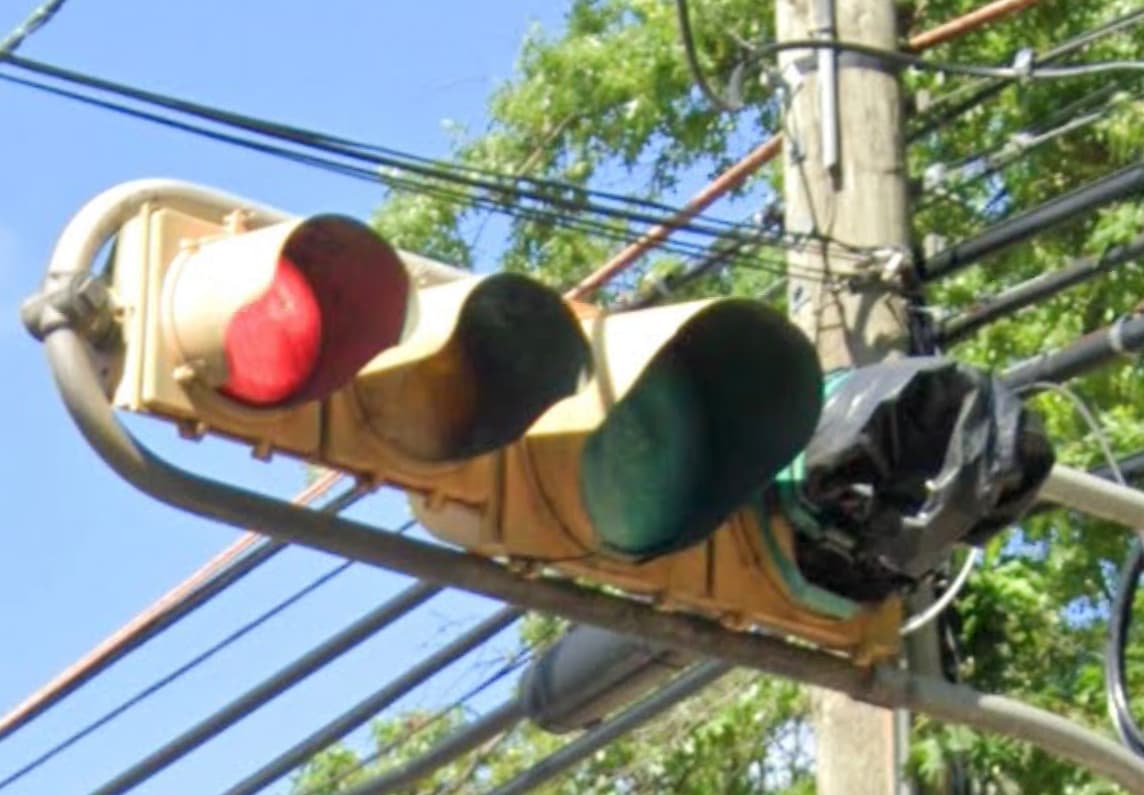
The 12″ signal sections seen above from the corner of Union and Paine Avenues in Irvington, were spotted in December 2022 by the sharp eye of Kasey J., a member of the Highway Divides forum. Nobody in the forum had ever spotted these curve-backed 12″ signals before, but the consensus was (and I agree) that these are probably the earliest and scarcest variation of the Marbelite L Series signal.
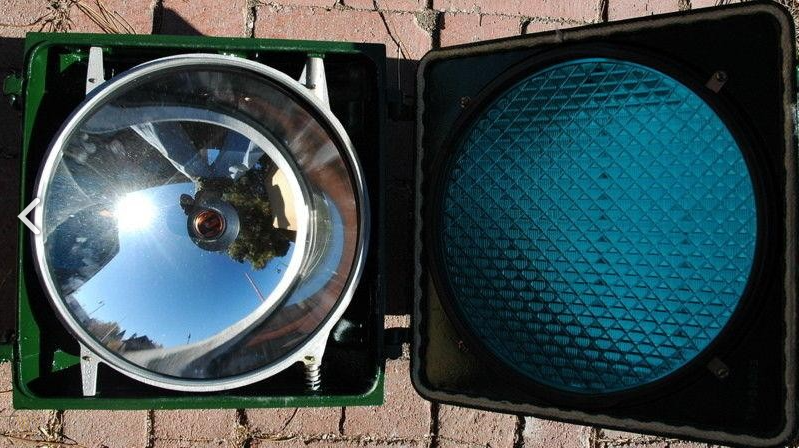
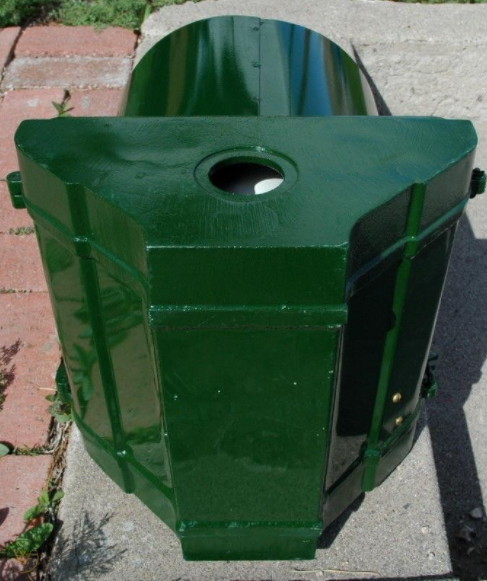

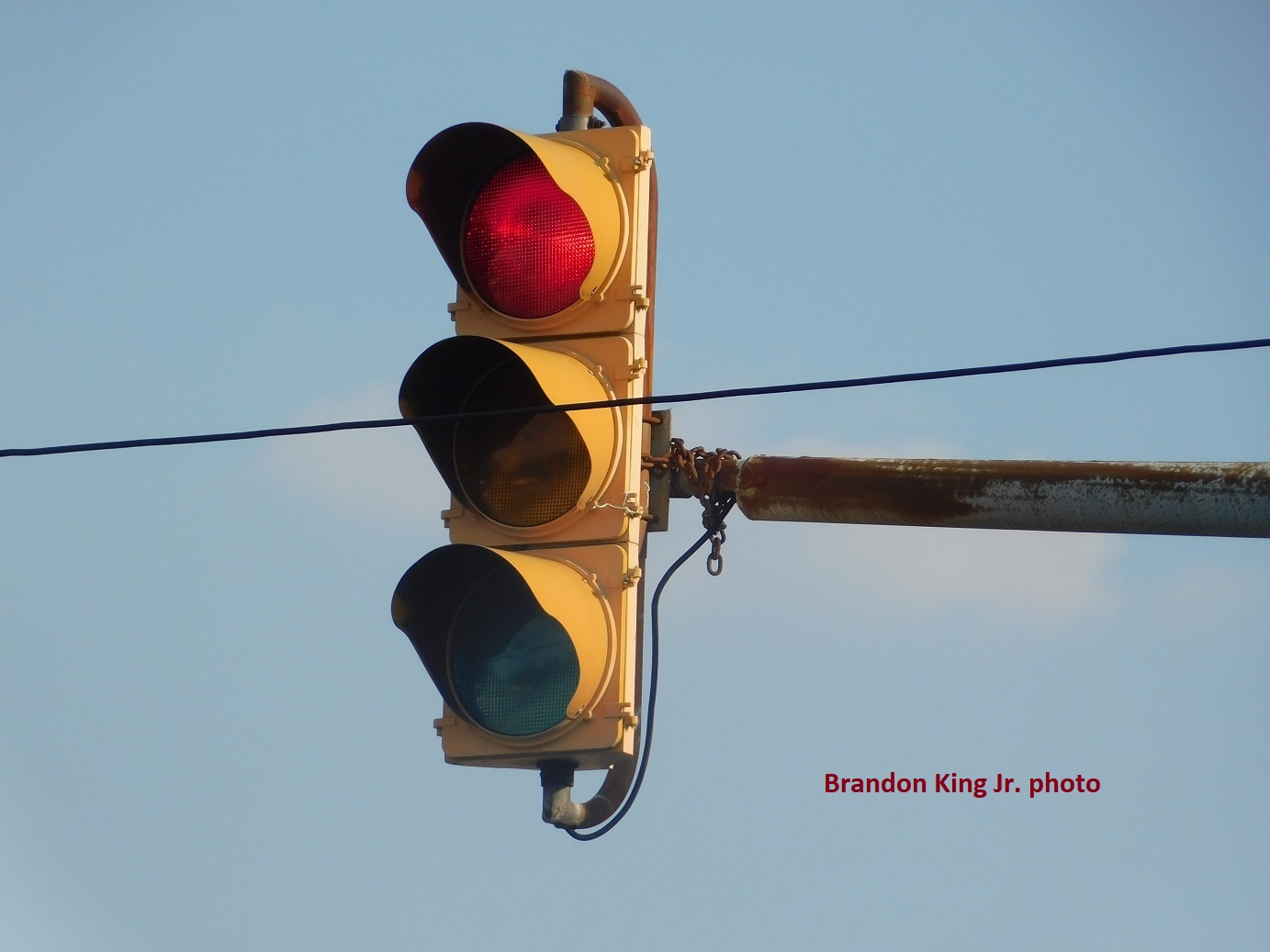
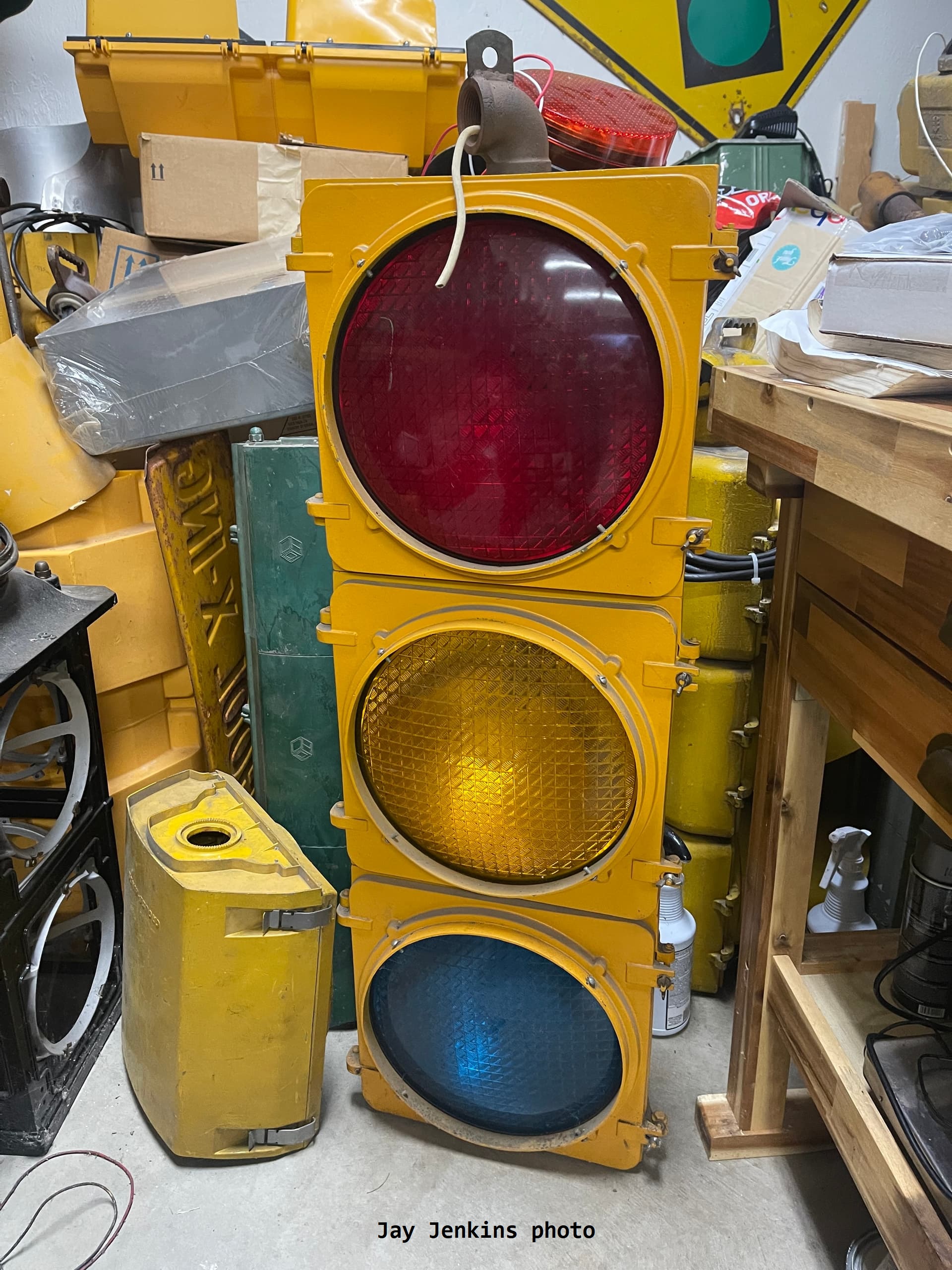
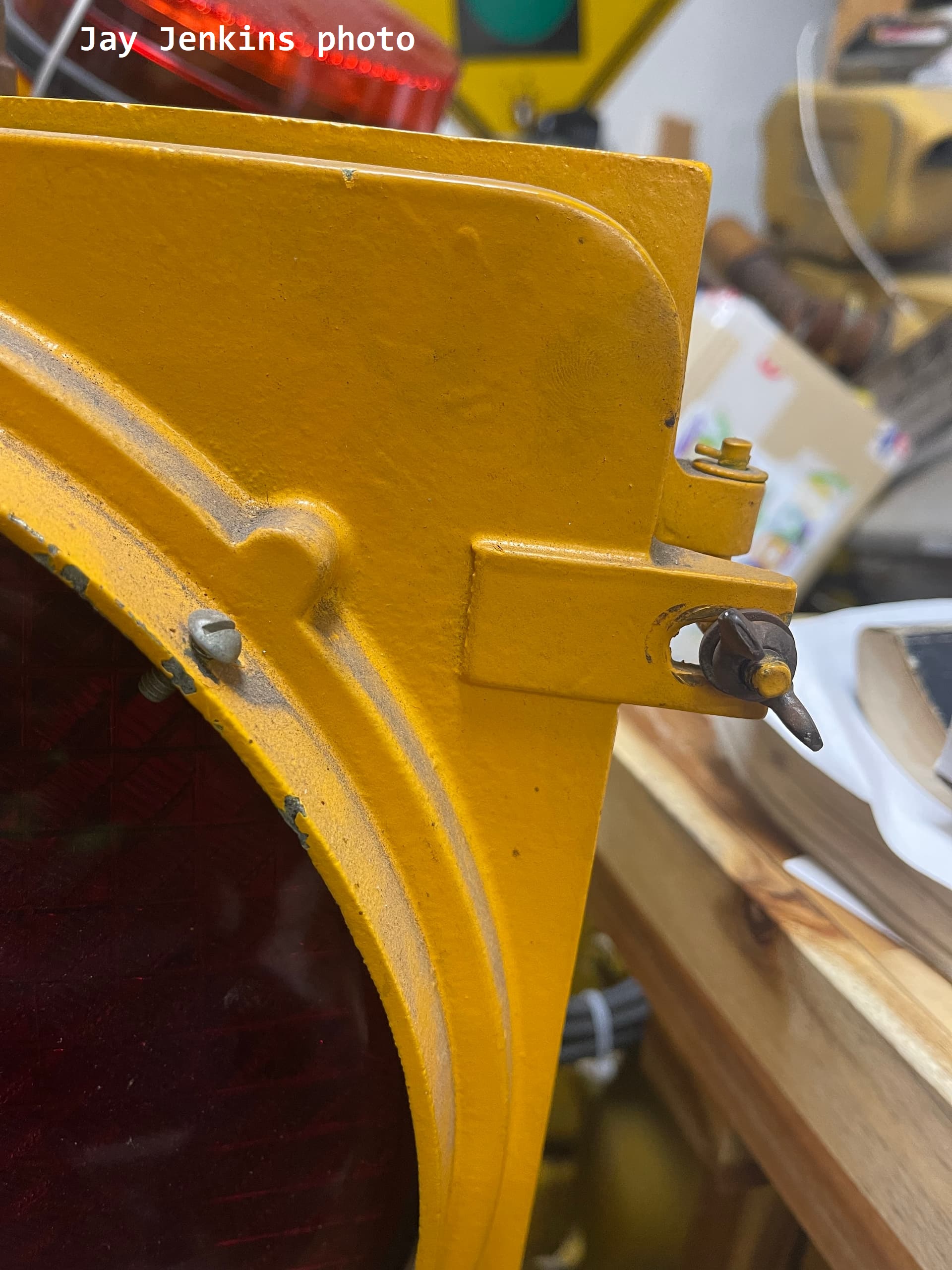
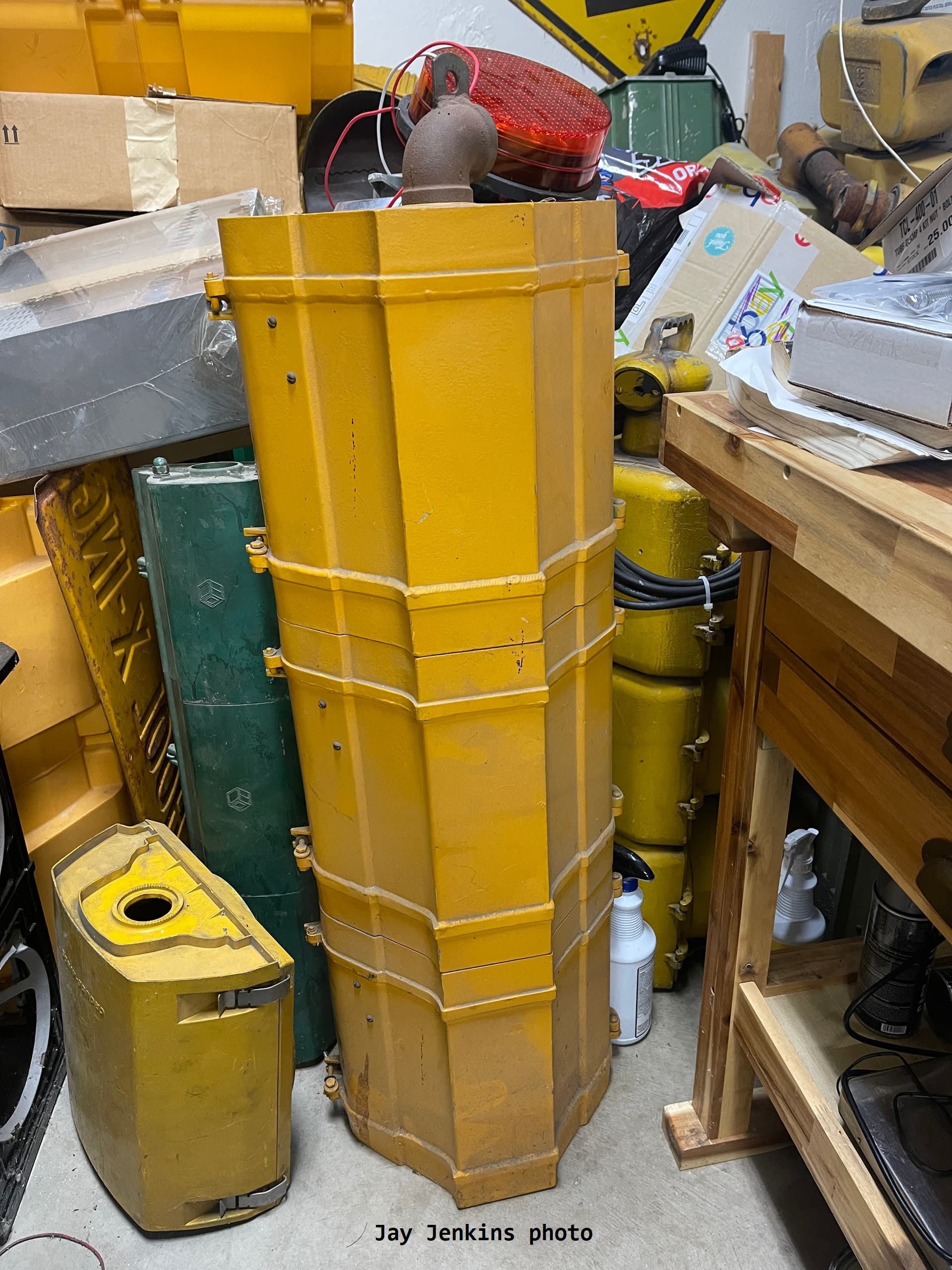
The next generation of the flat-topped L Series signal is also relatively rare, but a modest number of these have been photographed in the wild and collected so far. These have a similar cross-sectional shape as their 8″ counterparts, and like the first-generation L Series signal, dual welding strips across the back of each section.
Late L Series 12″ Signals – the Recessed-Housing Versions
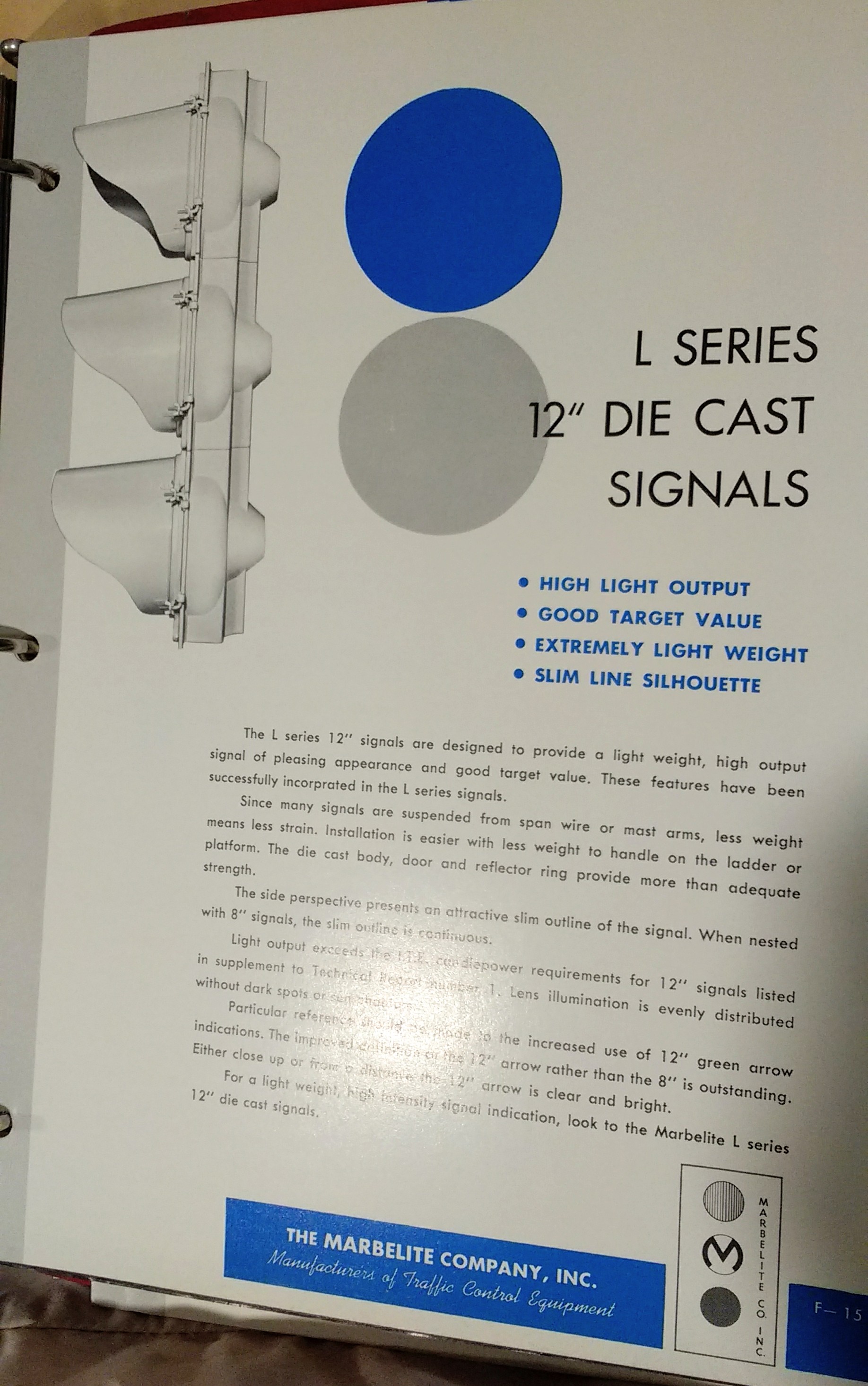
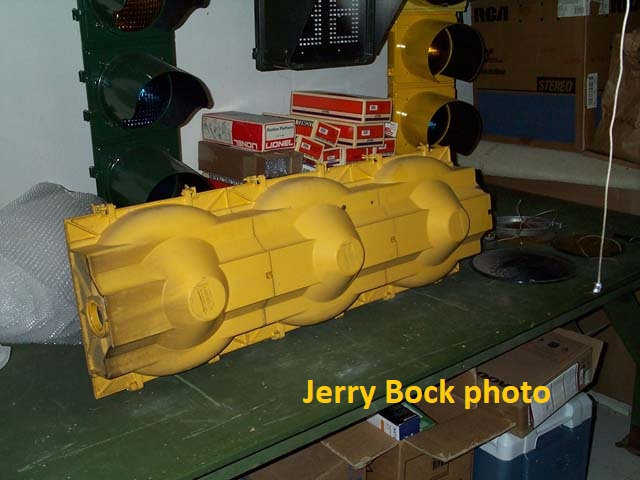
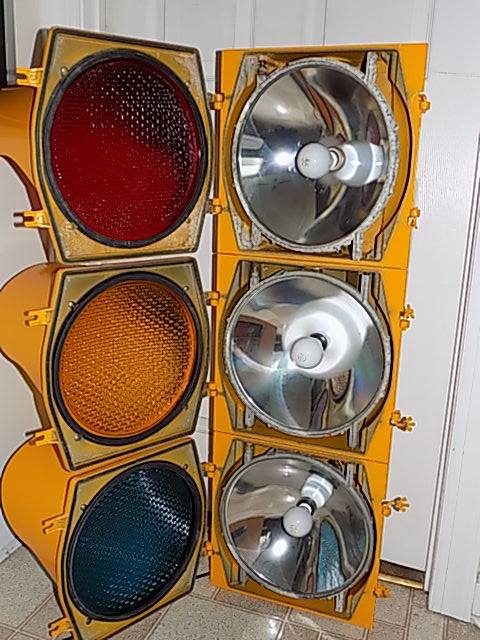
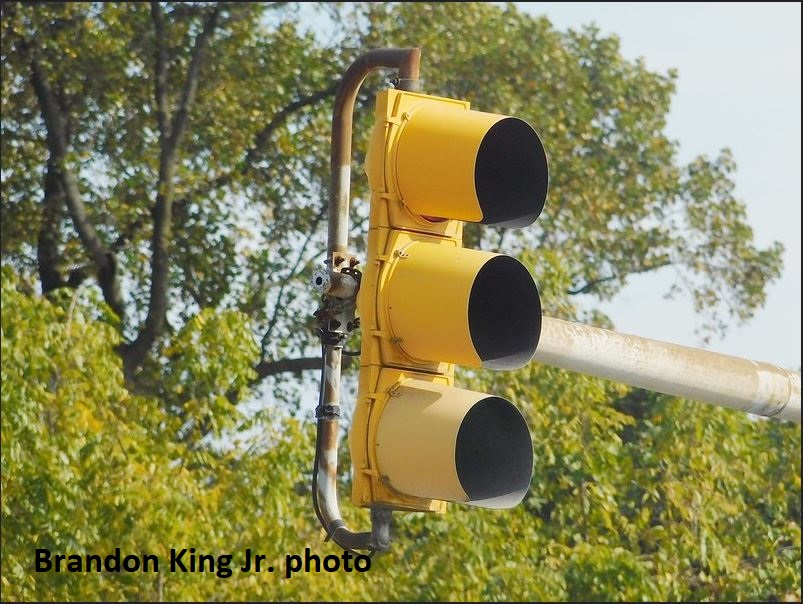
Like their 8″ Model 1058 counterparts, the 12″ L Series signal housings were also re-designed with recessed tops and drain notches. For efficiency and lightness of weight, the backs have a “form fitted” look and the doors took on a tapered shape. This design is what is depicted in the 1963 Marbelite catalog (left/above). Older signals of this generation have a flat door, and newer ones have a raised lip around the perimeter of the door. There are still many of these late L Series Marbelites in service, particularly in New York City. See photos below for a few examples.
Marbelite Pedestrian Signal Chronology
16″ Pedestrian Signals
1964 – 1975: LPS-20 “Lawdescent Lite” Pedestrian Signal

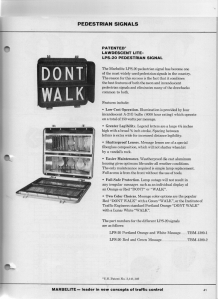
In/about 1964, Marbelite introduced their LPS-20 pedestrian signal, a bi-modal incandescent signal originally patented as the “Lawdescent Lite“. The earlier versions of this light came with frosted glass lenses. Later versions came with “shatterproof” fiberglass lenses, supposedly with protection from vandals’ rocks in mind (see catalog), but more likely as a cost-cutting measure.
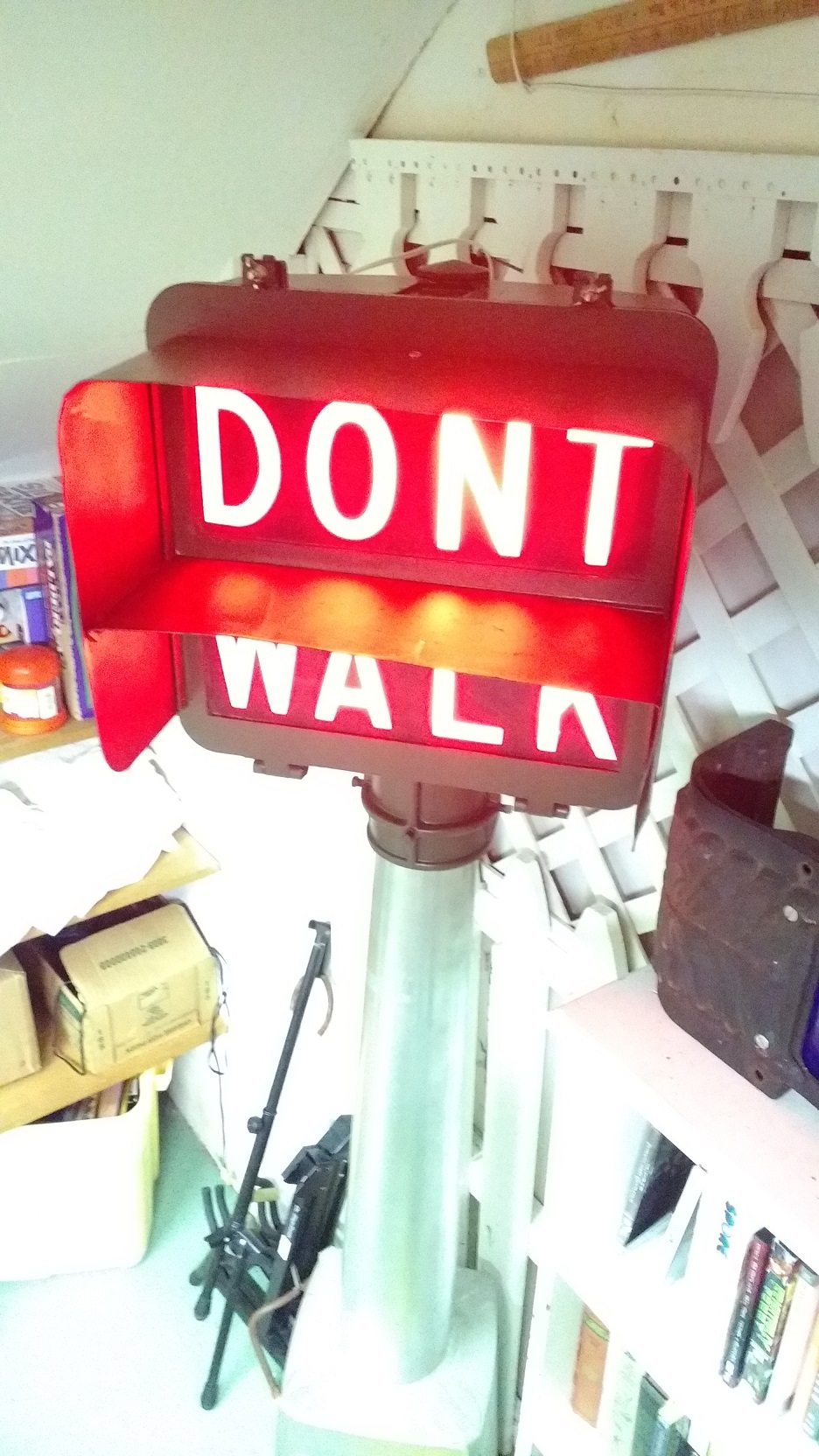
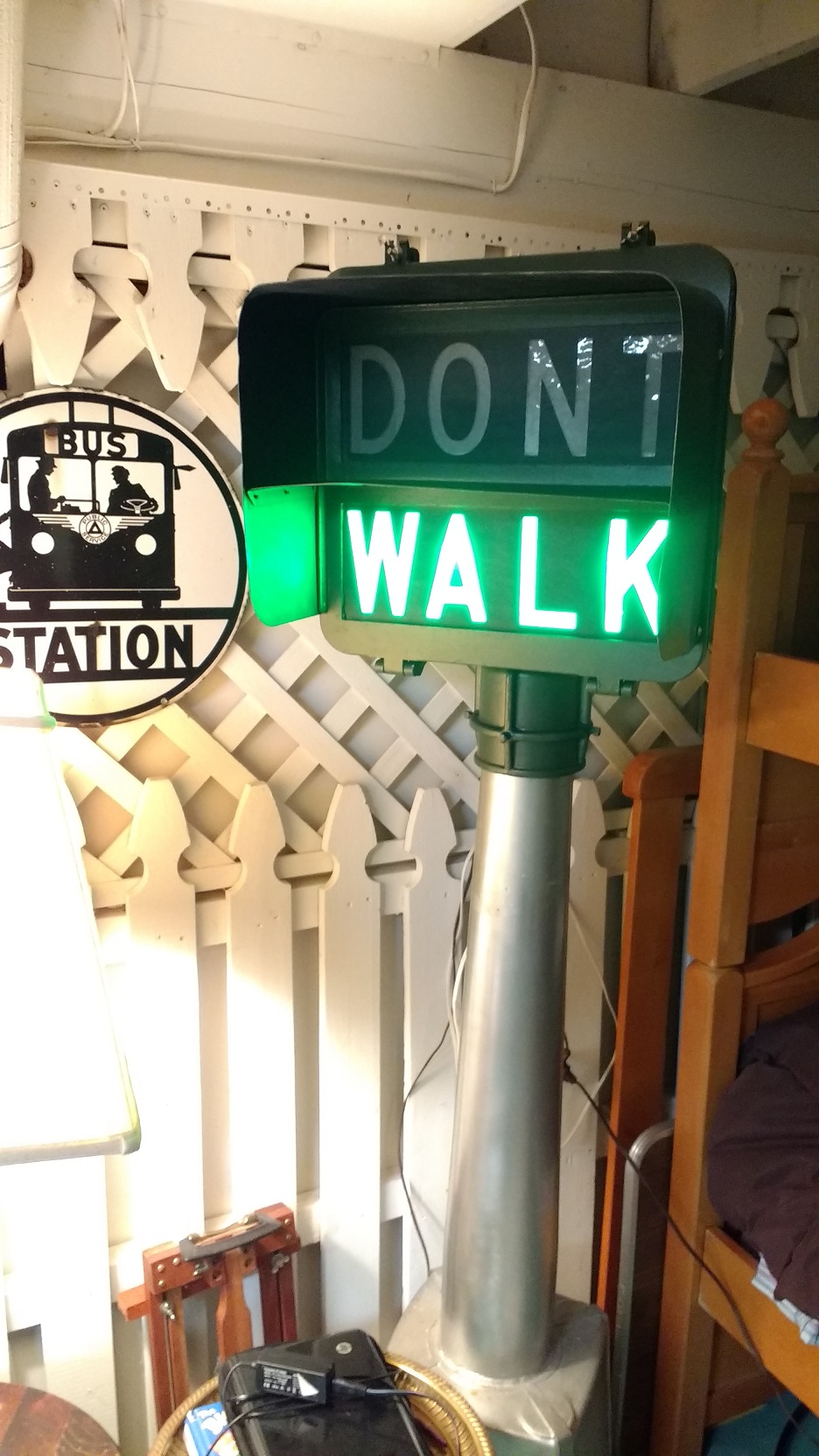
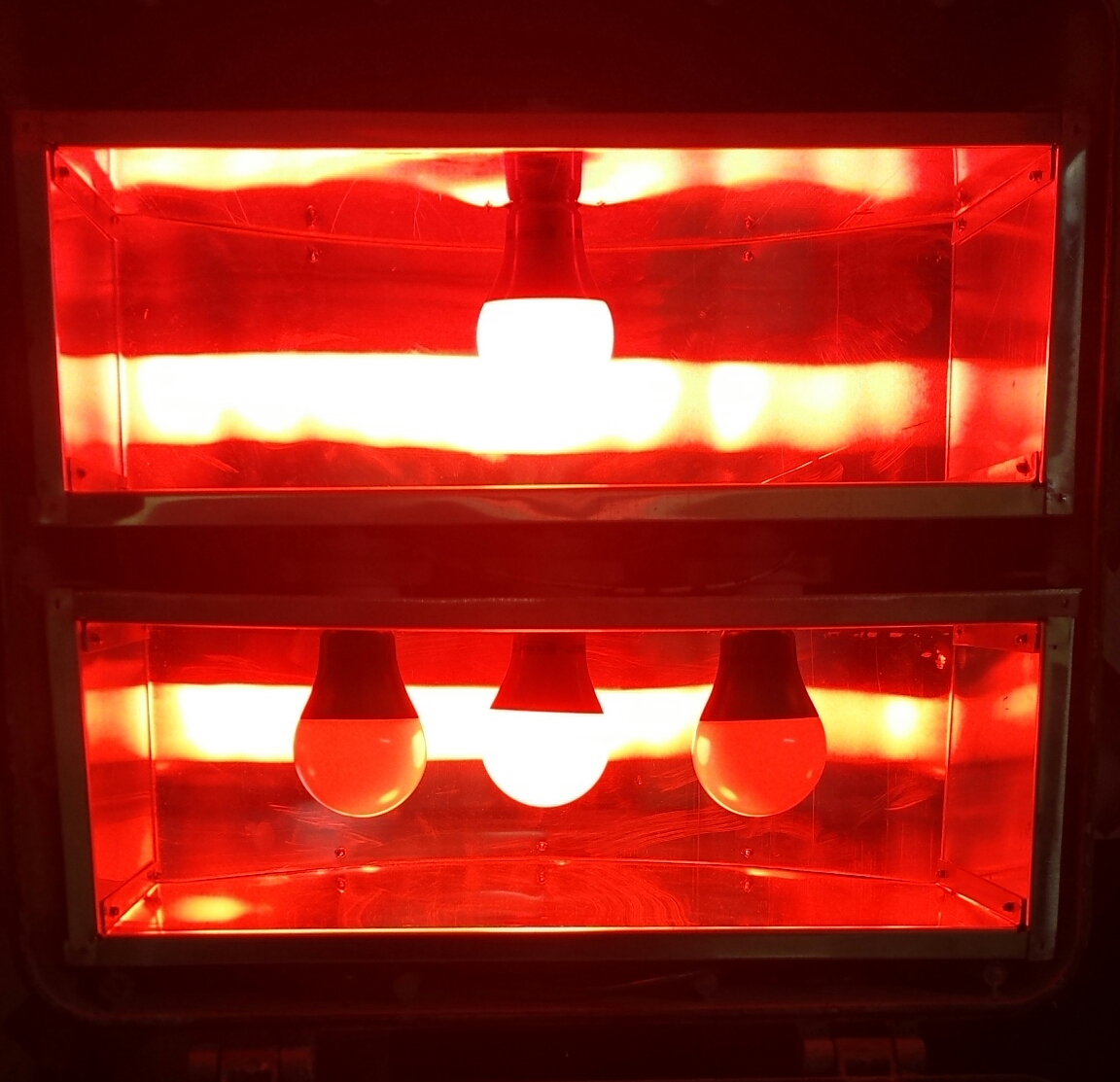
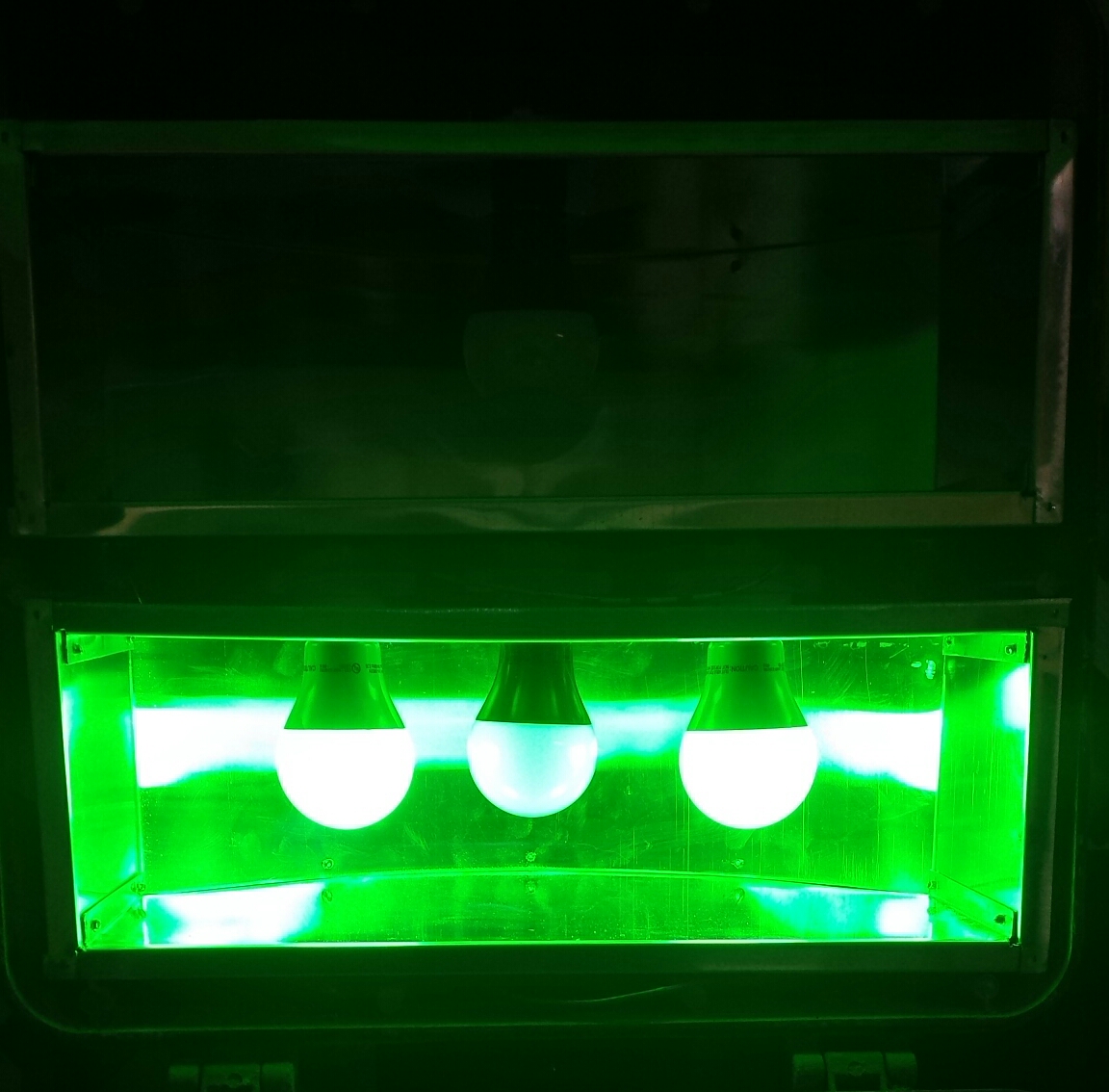
The LPS-20 was the mainstay of New York City for a good 10+ years, although it had some flaws. The reflectors, were made of plastic which became brittle and often broke and then could melt or even ignite from contact with the light bulbs. Most collectors who find an LPS-20 need to find replacement reflectors, and thankfully, collector Steve Tutty from Colorado made sturdy sheet metal reflectors to order – which I put into the signal pictured here.
1975 – 1978: MPS-20 Pedestrian Signal
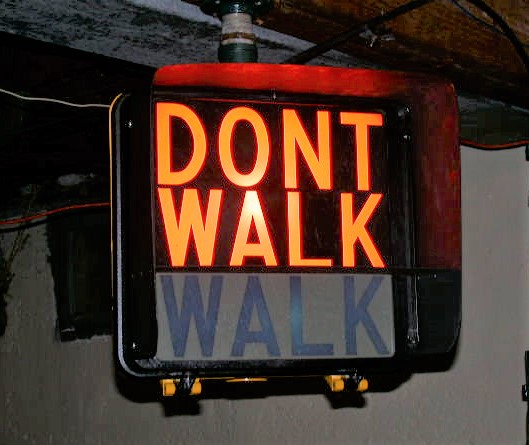
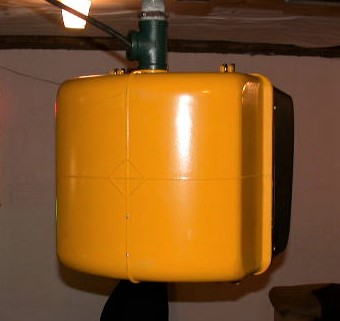
Around 1975, Marbelite updated their 16″ pedestrian signal to the MPS-20 model. The LPS-20 used only two bulbs, with metal reflectors, behind a colored DONT WALK | WALK lens.
This was the last era of manufacture of Marbelite-branded aluminum vehicular traffic signals. Marbelite was then acquired by and became a distributor for Eagle.
GTE – using Marbelite molds (approx. 1997-2014)
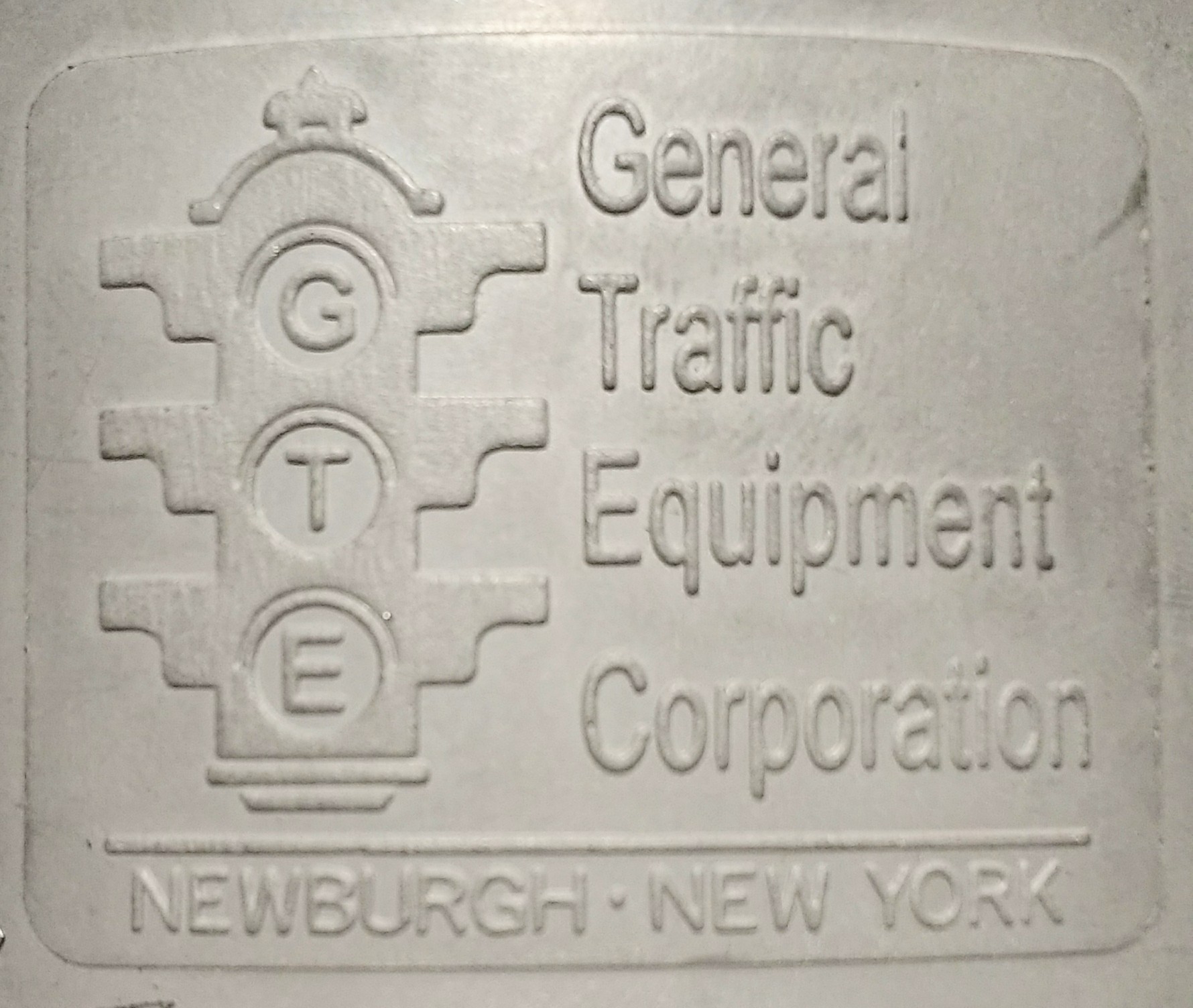
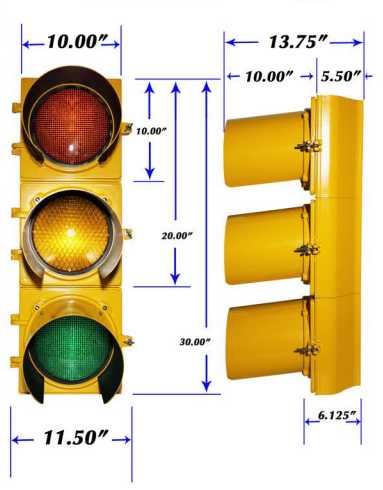
In the late 1990s, General Traffic Equipment (GTE) of Newburgh, NY acquired and used the late-gen Marbelite 8″ signal casting molds – as well as other Marbelite castings for parts such as cabinets, slip-fitters and connectors. The housings were practically unchanged from Marbelite, except that the Marbelite logo was replaced by the GTE logo. The doors were still embossed MARBELITE on the inside. A representative of GTE told collector Steven Gembara that they stopped using these molds around 2014.
These modern GTE signals are the end of a long line of history, as they have the same cross-sectional shape as the Horni sectional signals of 1938!
Dating 8″ Adjustable Signals by Logo and Housing Cast ID
As a quick visual guide, the five logos found on the back of Marbelite 8″-lens adjustable signal sections are shown below with their housing cast IDs and years of manufacture. Some of this information was given to me in a conversation with Joe LiPari of Marbelite in the early 2000s:
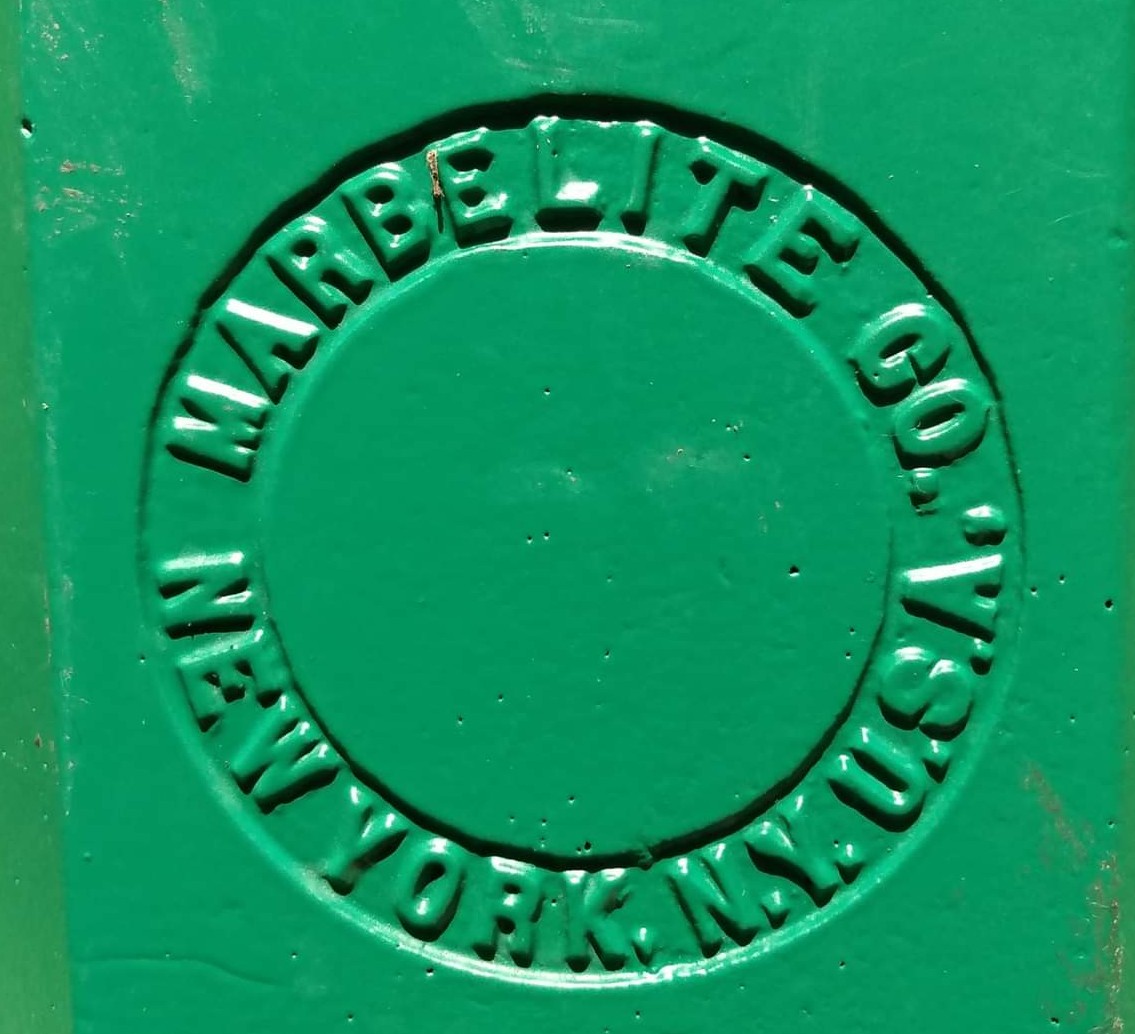
1940*-1947 : circle logo
Housing ID: none
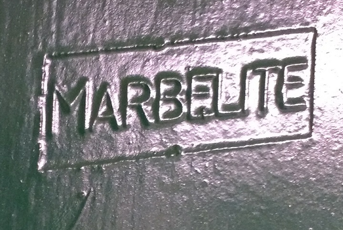
1947-1950 up-parallelogram logo without PAT. PEND.
Housing cast ID: TD-19143 H.S. (H.S. = acquired from Horni Signal)
1950 -1965 up-parallelogram logo with PAT. PEND.
- 1950-1953** (flat top housing, no rain notch)
Housing cast ID: TD-19143 H.S. - 1953**-1965 (recessed top housing with rain notch)
Housing cast ID: TD-19260
** = Joe LiPari told me this housing change occurred in 1953, but it could have been a few years later
1965-1971* down-parallelogram logo
Housing cast ID: TE-19408
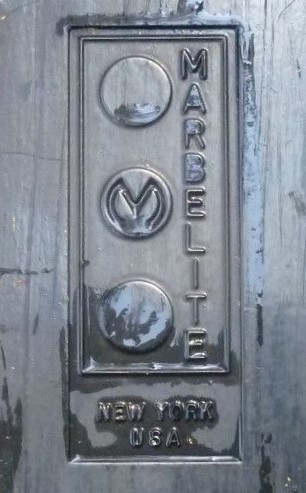
1971*-1978 “traffic light” logo
Housing ID: TE-19408 (lettering mostly removed)
Special thanks goes to Joe LiPari of The Marbelite Company, who looked up the years of manufacture of the cast IDs for me in a phone conversation many years ago. Thanks also goes to fellow collectors, including Jay Jenkins, Larry Currie, Bailey Stumbaugh, Ed Tapanes, Steven Gembara, Phil Glick, Lary Brown, and the late Jesse Vallely, for helping identify the minutae.
 Garden State Signals