When traffic lights were first being installed around the country, it was most common for the signal heads to be mounted on top of pedestals about 8 feet tall on the corner, or on an “island” in the middle of the intersection. In lieu of installing a new pedestal, many signals were bracket-mounted to the side of existing utility and streetlamp posts. During this era, it was not uncommon to have only one light facing each approach. Pedestals and bracket-mounted signals are still used today, but they are usually auxiliary to signals hanging overhead. This page shows some New Jersey installations from the pedestal era.
Vintage Pedestal Photos
In this section, I will post vintage photos from around the state, mostly culled from the RC Maxwell advertising company’s archive kept online at Duke University. Click these photos to see the full size version.
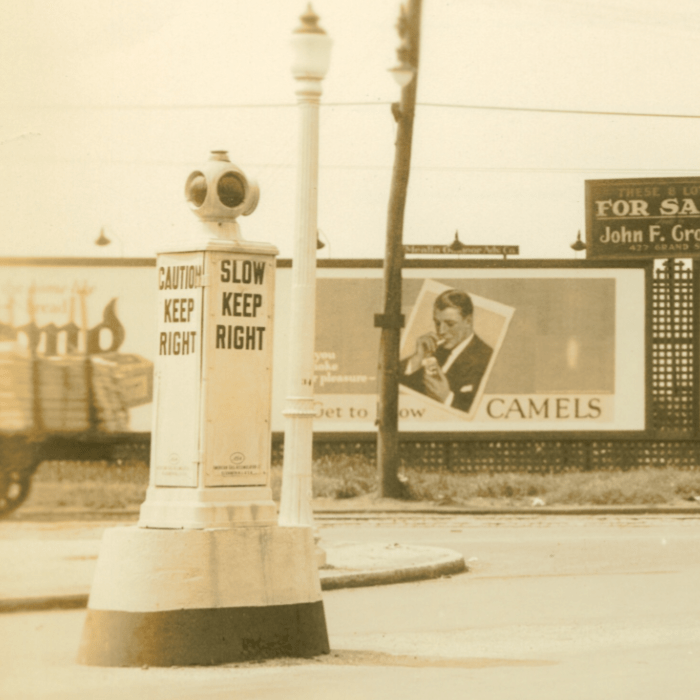
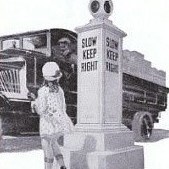
In many busy intersections of the early years, the simple flashing island beacon was used to keep traffic flowing where it was supposed to. The American Gas Accumulator beacon on the left was photographed in Jersey City in 1927. The graphic on the right, from an AGA advertisement, provides a reminder that children once freely roamed the planet.
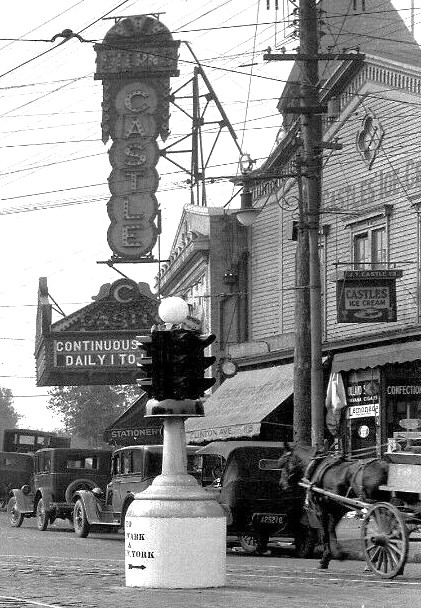
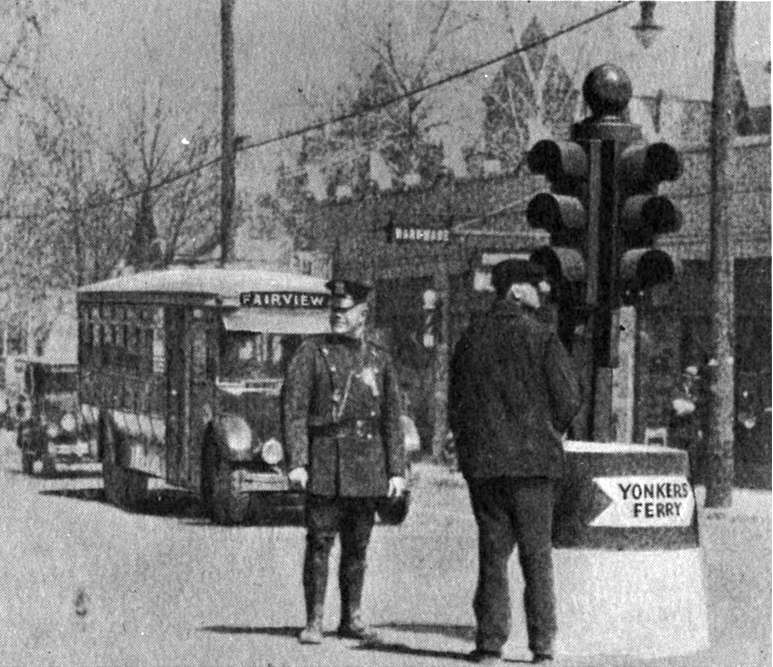

The Horni Type 491 island signal was perhaps the first widely used 3-color signal installation across the state in the mid-late 1920s. The Type 491 signals, as seen above, could be affixed to either a stanchion or a traffic booth. The first image is from Irvington. The second signal, from Dumont, has more tunnel-like visors. The last two images are from the same intersection at “The Green” in Morristown. The signal originally on a stanchion was transferred to a booth that was installed at some point to deal with increasing traffic. Note the other booth in the background on the other end of The Green. Note also that the signals do not appear to be illuminated in any of these photos. I take it there was a long dark period between the phases.
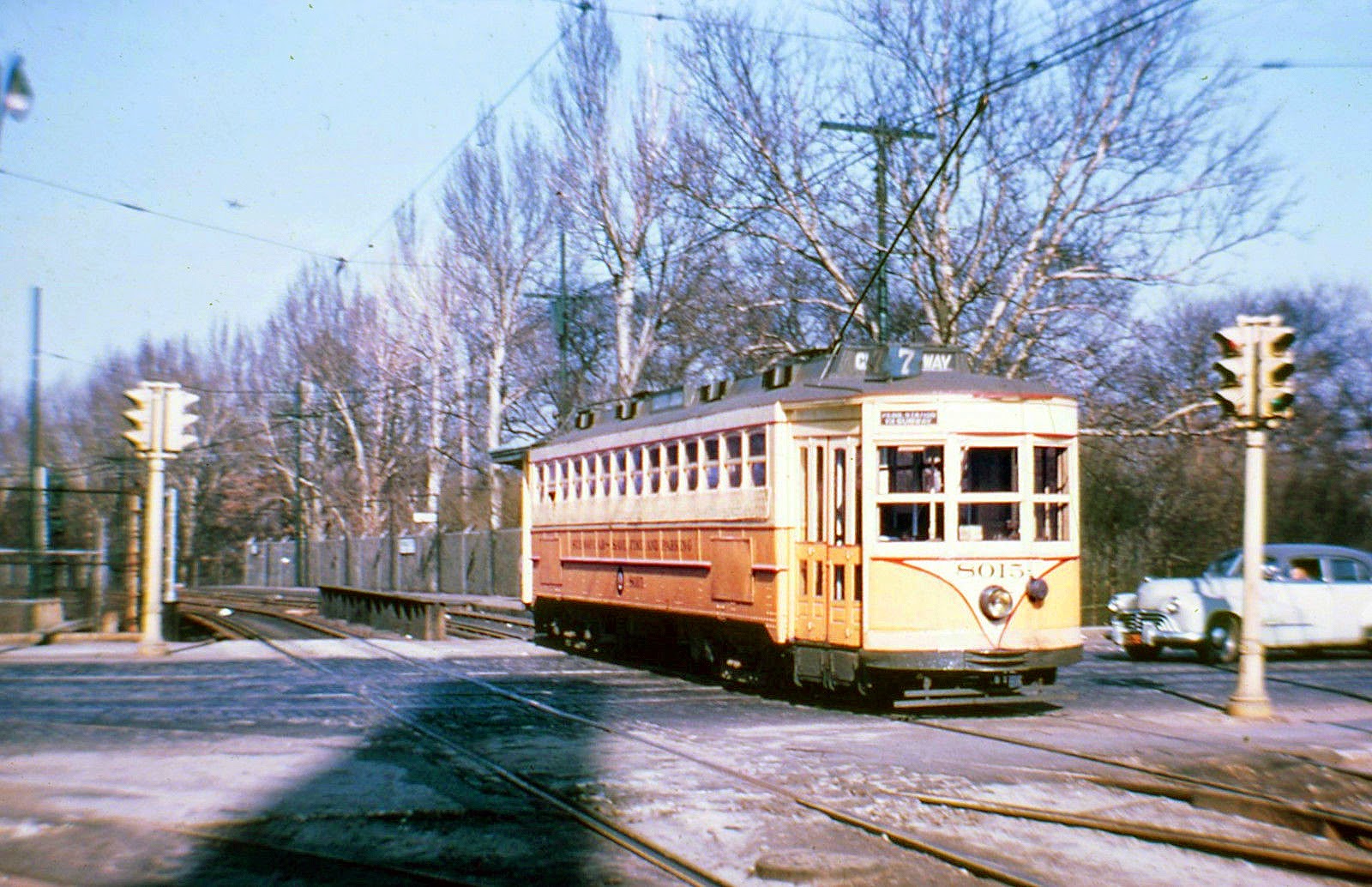
‘Corder-hinged’ Horni pedestal signals, made in the late ’20s to mid ’30s, control a trolley crossing in Newark around 1950. The green lens has the deep emerald color of the old Kopp/Horni lenses.
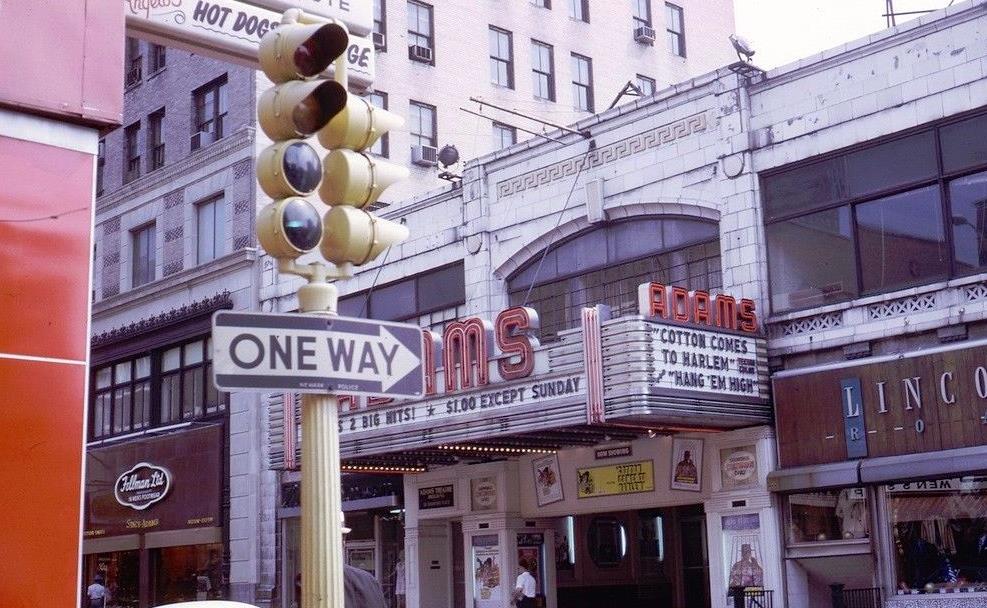
Also in Newark, this lovely pedestal by the Adams Theater holds a pair of GE “streamline” signals and a Newark-spec ONE WAY sign in the 1950s.
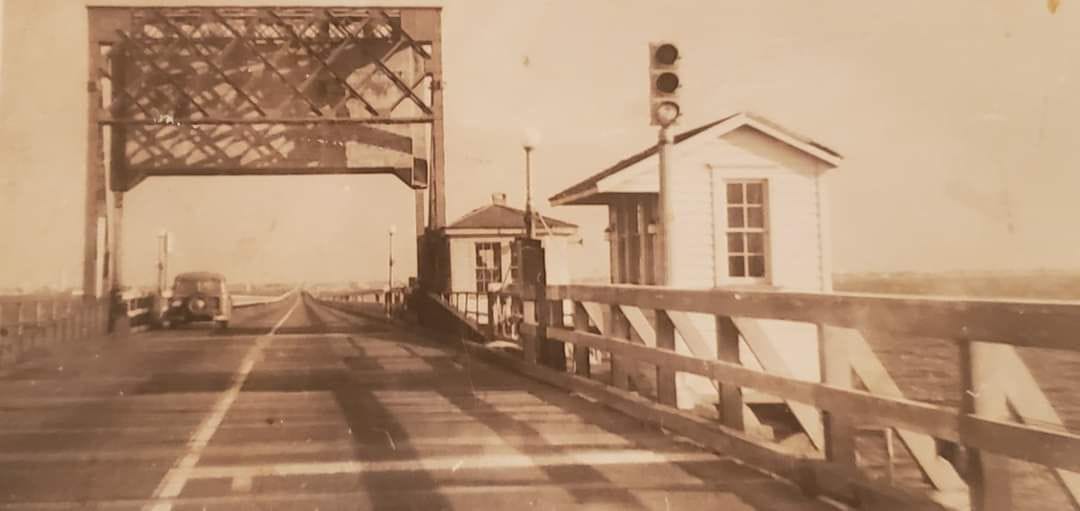
A single-face Horni controlled the old wooden drawbridge that once connected Toms River and Seaside Heights.
A single cluster of bracket-mounted Horni signals control a major Broadway intersection in Long Branch.

US Routes 1 & 9 and Stiles Street, Linden
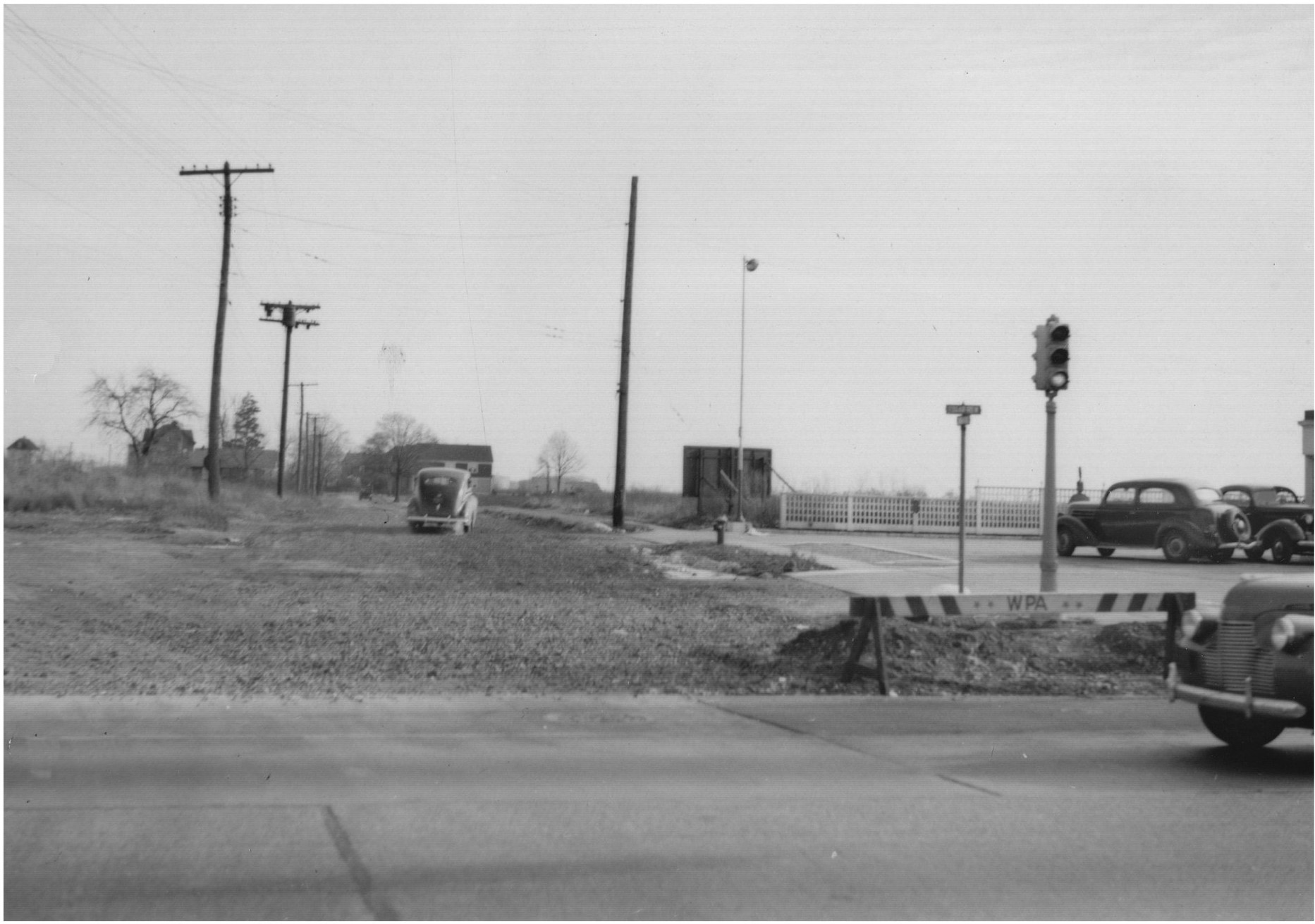
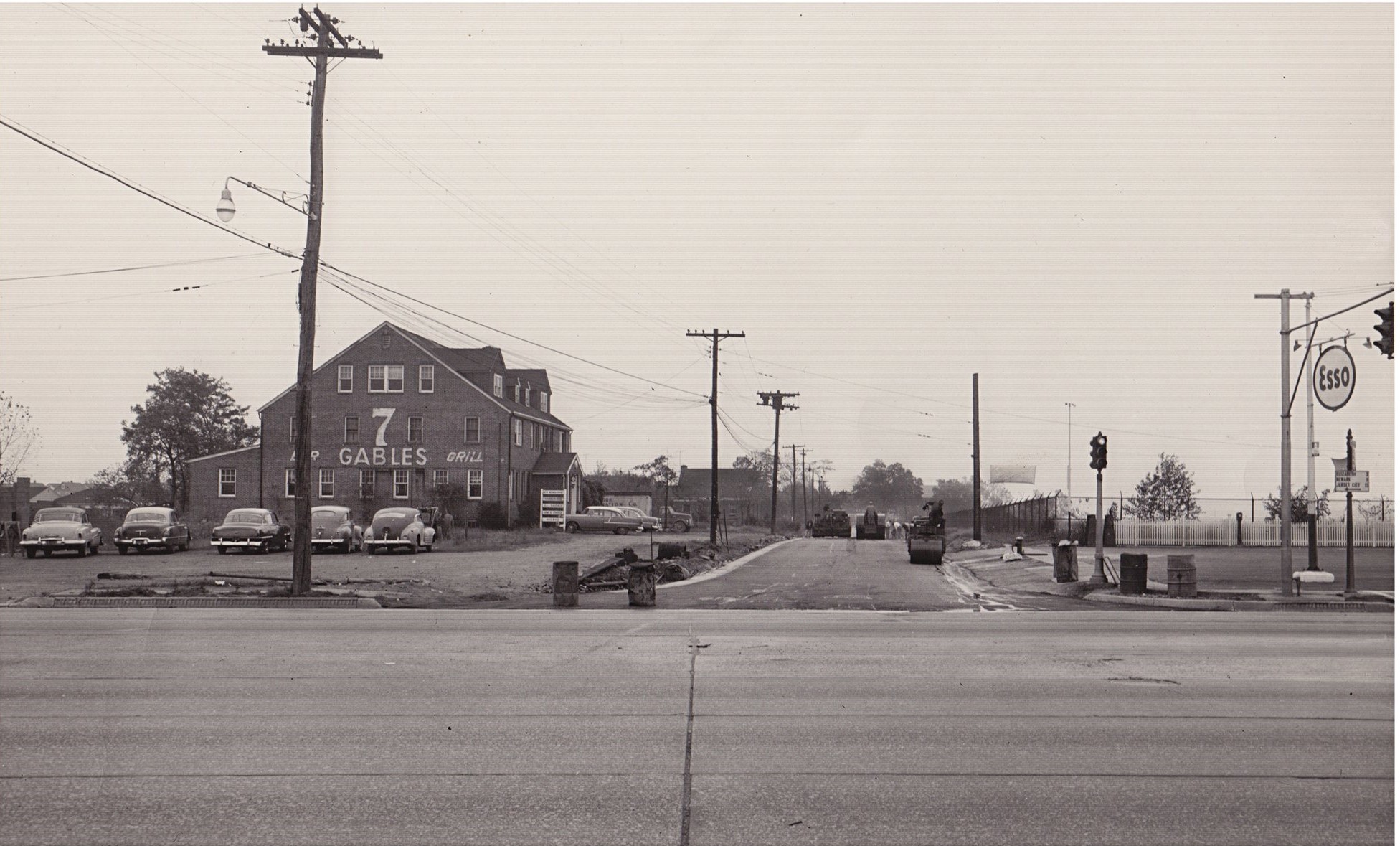
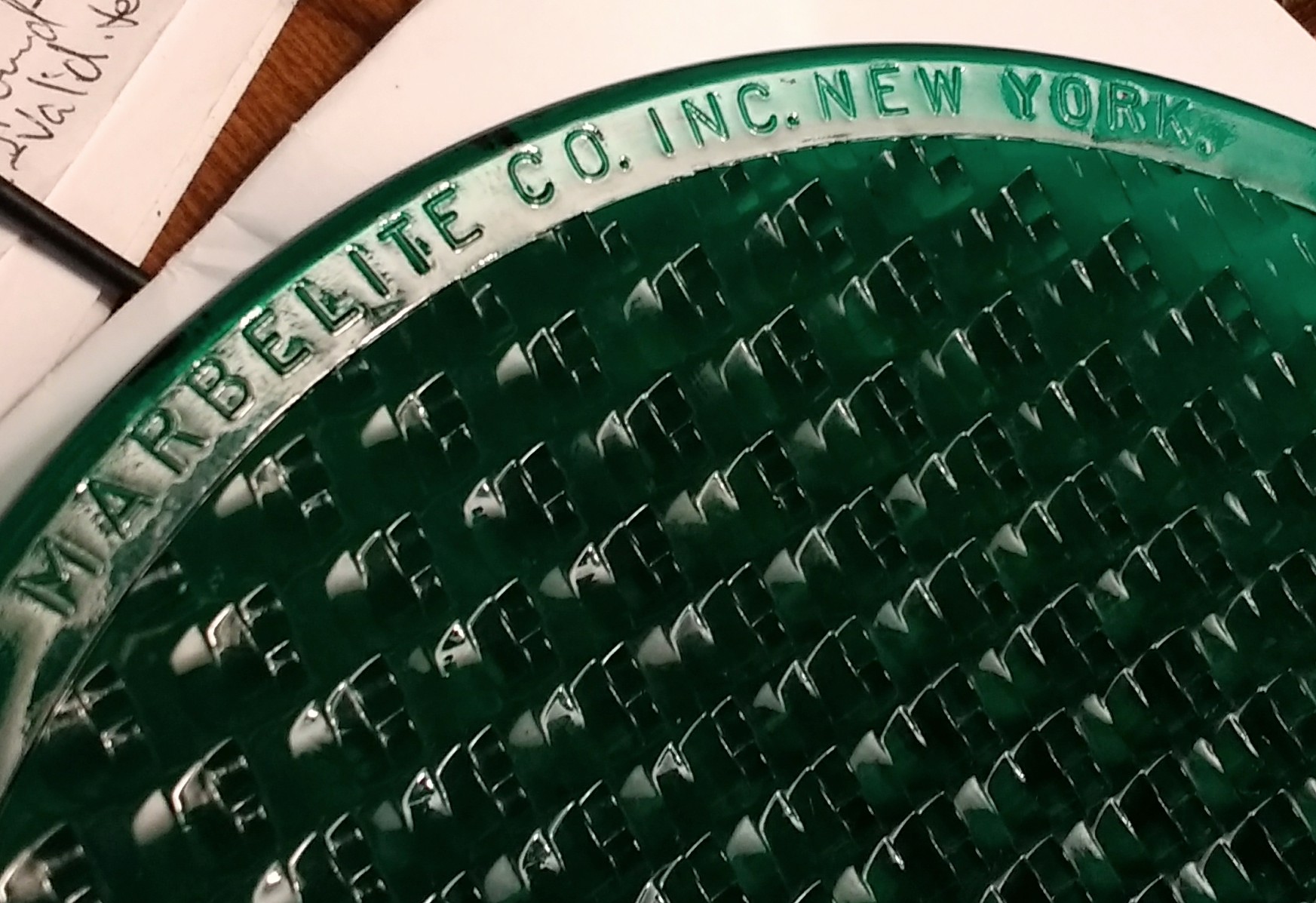
Two photos above, taken a few years apart, show the development of Stiles Street, looking east off US Routes 1 & 9 toward Linden Airport. Lots of interesting value in these photos, but the proprietor of Garden State Signals would like to draw your attention to the 2-way pedestal signal. For some reason, the signals atop the pole were replaced between the times of the photos. The original lights were solid-cast Hornis (identifiable by the corner hinges and latches below the centerline of the doors) and the newer lights were modular Hornis, or Marbelites. The signals suspended on the mast over the highways are the original solid-cast Hornis.
Main Avenue, Clifton
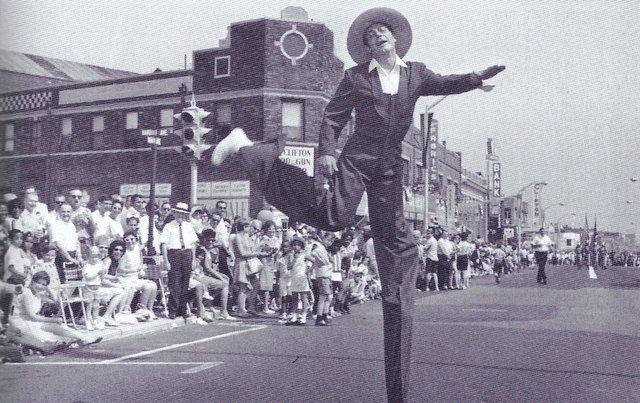
I can remember when the entire length of Main Avenue in my original hometown of Clifton was still controlled by pedestal signals. These were all replaced by overhead signals in the early 1980s, which are still there today and looking pretty outdated themselves. The next two photos below are from Clifton’s Main Avenue back in the pedestal signal days.
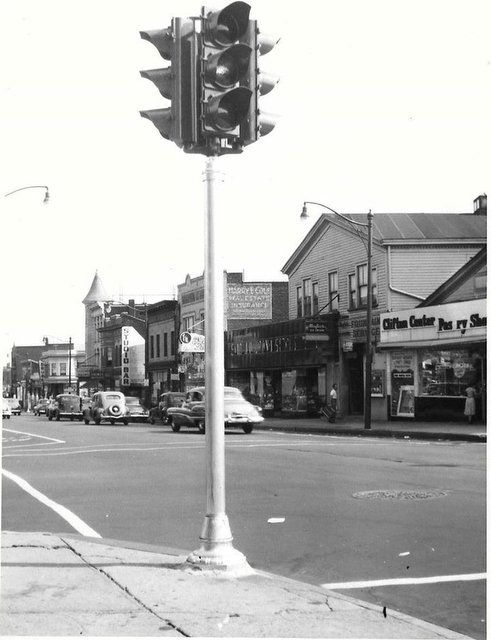
A late 1940s pedestal at the corner of Main & Clifton Avenues is topped by a 4-way adjustable Marbelite signal with uniquely scalloped “AGA” style visors. Marbelite evidently has surplus visors from their takeover of Signal Service Corp at the end of 1945.
At Main & Harding (one block to the north of the previous photo), a performer on stilts celebrating Clifton’s Jubilee in 1967 points his foot toward a nifty fixed-face 4-way ‘corner-hinged’ Horni signal, circa 1930. I remember this particular light; it always looked very old to me.
Ocean Avenue, Asbury Park
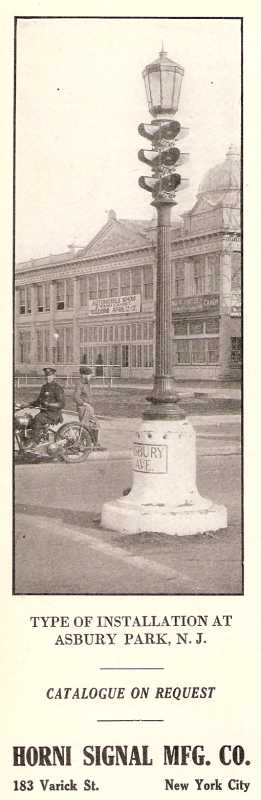
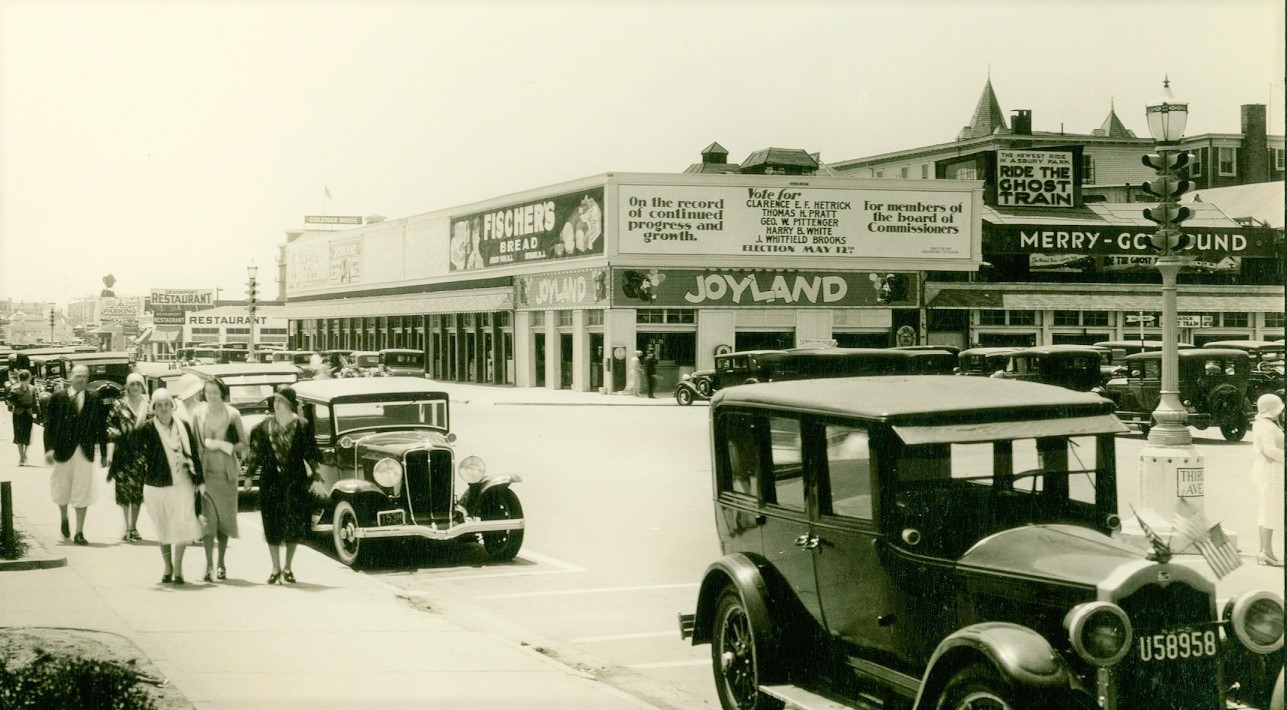
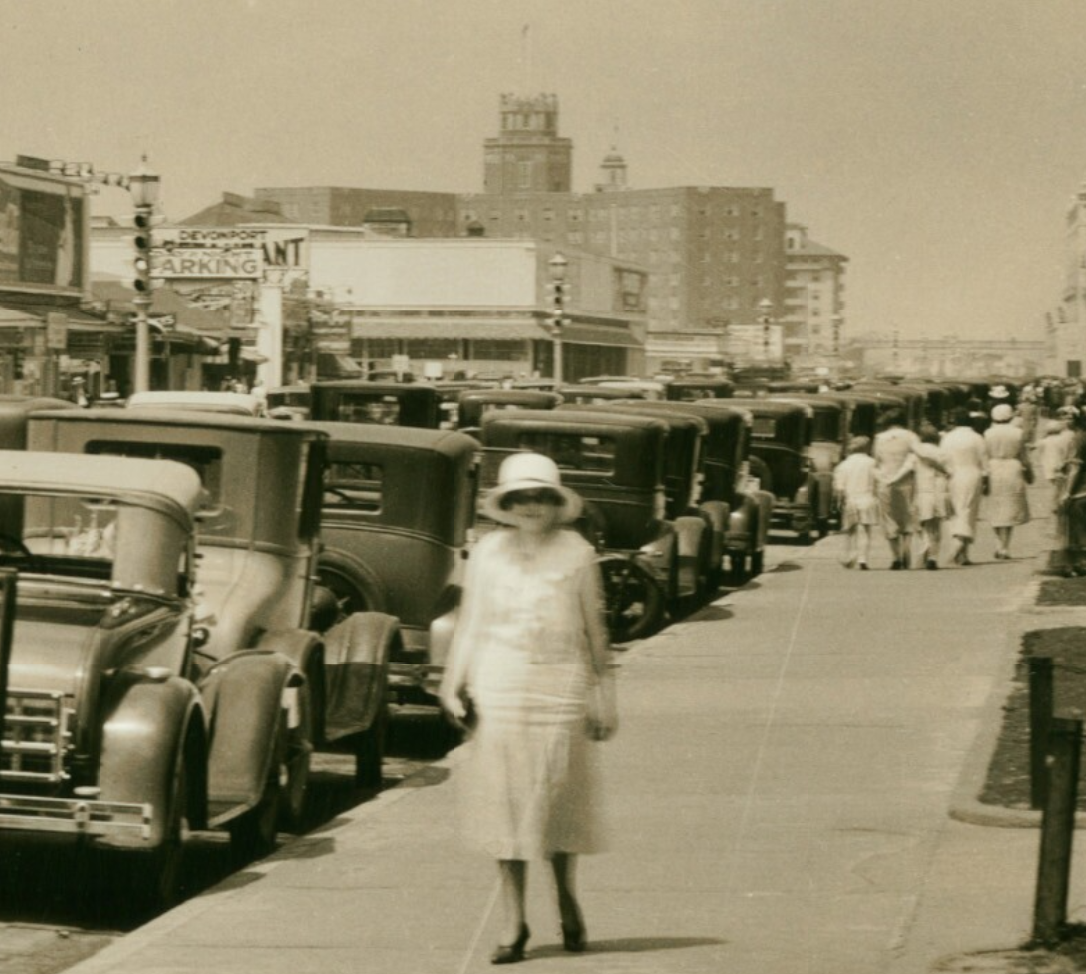
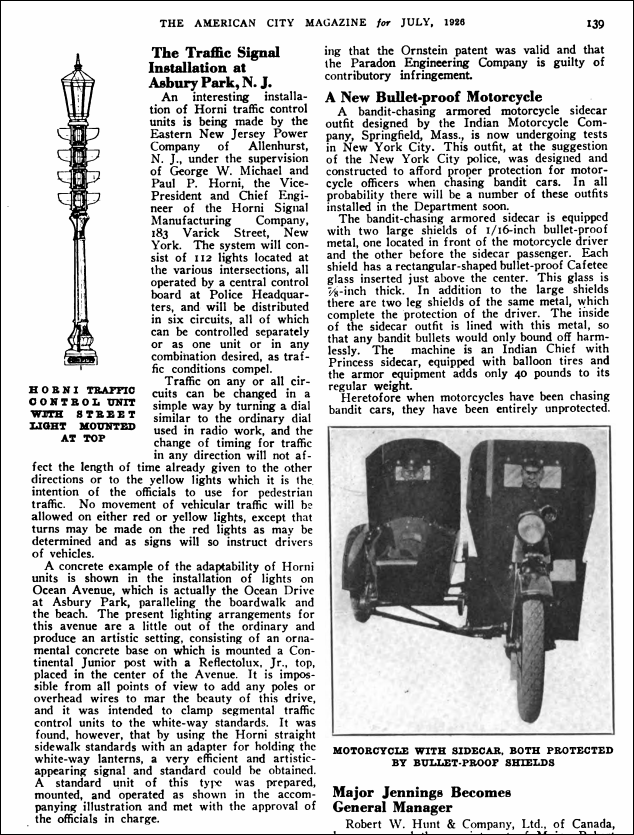
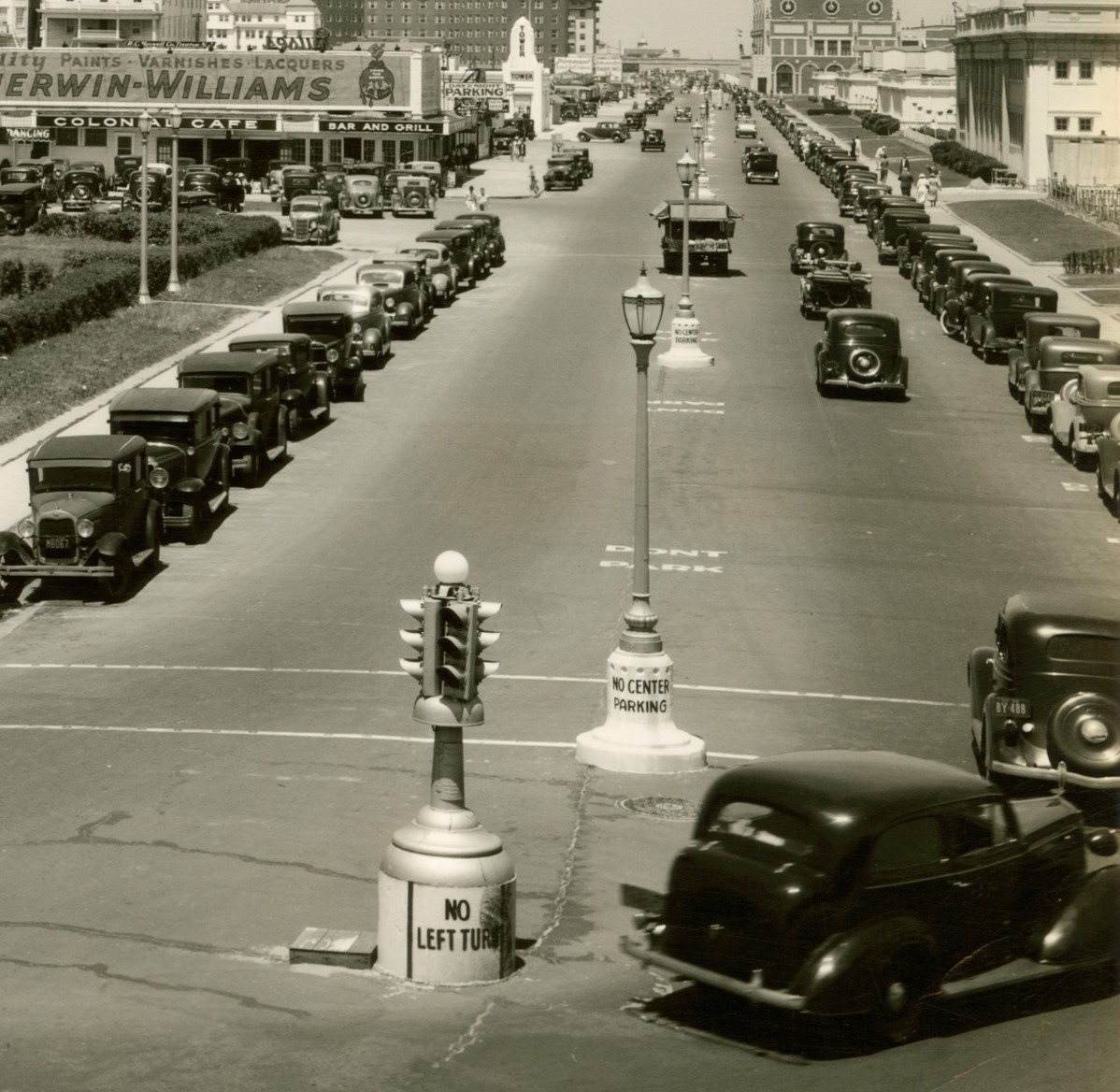
In 1926, Horni Manufacturing Corp. of Newark NJ and NYC, an early pioneer in traffic control, equipped Asbury Park’s Ocean Avenue with these cool variations of their Type 950 pedestal signals. These lights, with their small, uniquely shaped lenses, were specifically selected for their looks, as well as their integrity with the decorative lighting standards in the middle of the avenue. This installation was documented in a small article in The American City Magazine in July 1926.
Based on the photos I have seen from the RC Maxwell collection, these signals were removed sometime before 1945, and were not immediately replaced. It must have been difficult having no traffic signals on Ocean Avenue, and by 1949, it was re-designated as a one-way street, thus creating what was known locally as “The Circuit”. However, even with this traffic pattern, the steady increase in volume meant that traffic lights would ultimately return to Ocean Avenue.
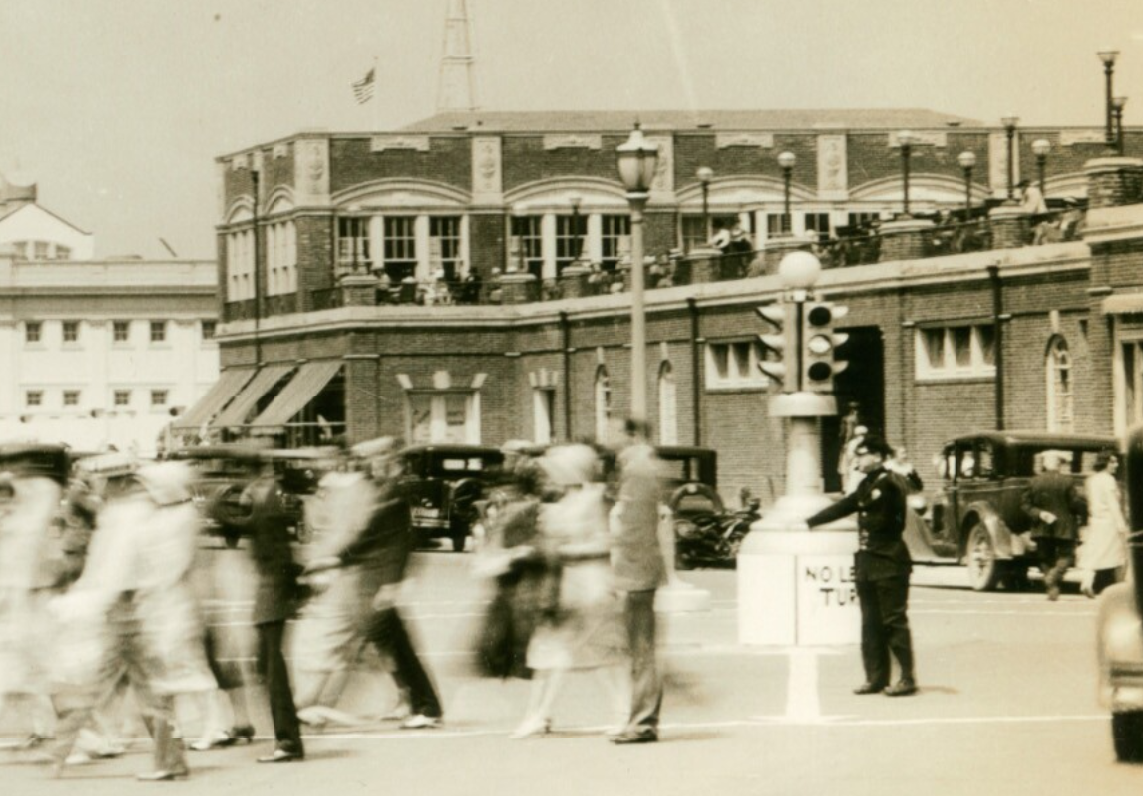
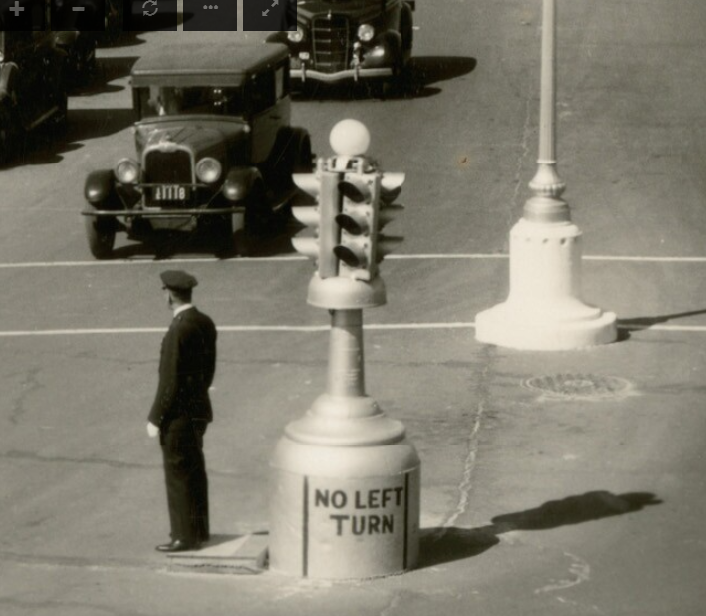

Like the ones in Irvington and Morristown further up this page, Asbury Park also had at least one Horni Type 491 signal stanchion. This one, at the bend where Asbury Ave meets Ocean Ave in Asbury Park, appears to be essentially a crosswalk application.
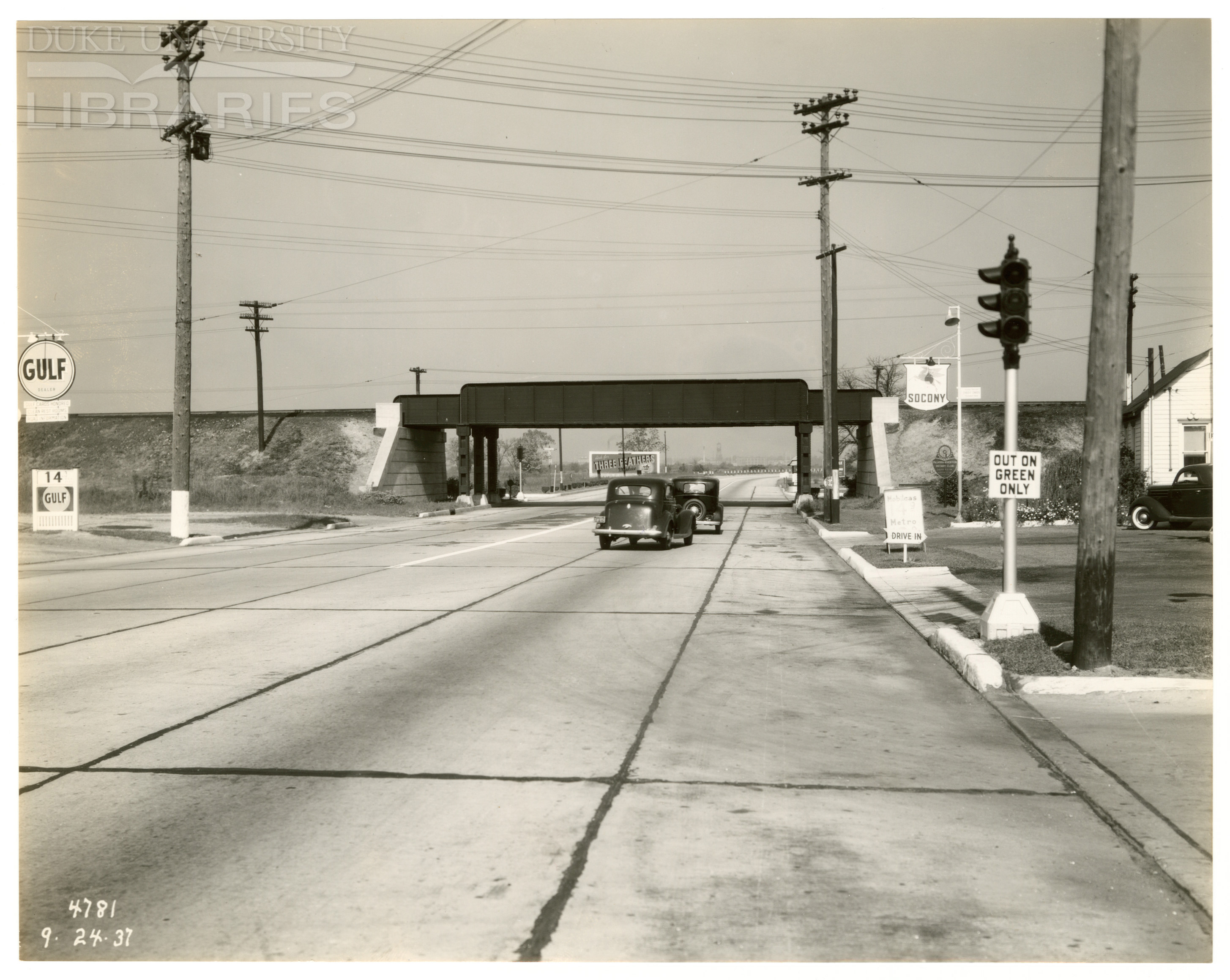
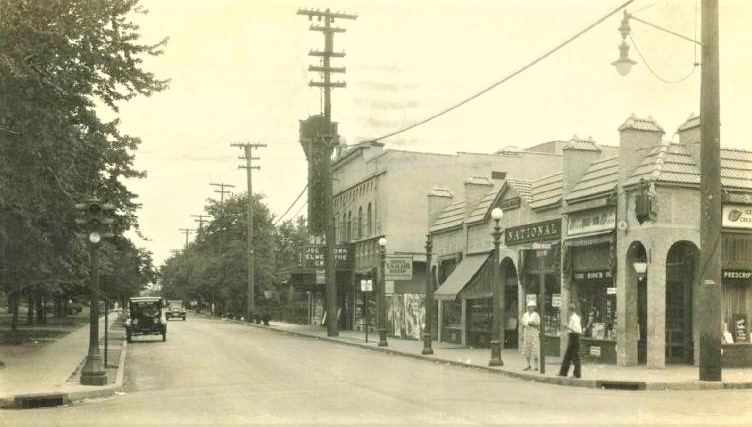
I believe we are looking at Essco signals in both of the above photos. Essco was more widely used in the Midwest than the East Coast. On the left, we see Essco 2-way clusters in Palmyra in 1937, with a 1927-spec NJ Route S-41 shield also visible just before the railroad underpass. On the right, a 4-way signal that looks Essco-ish adds a lovely touch to the scene at the corner of Lafayette Ave and Diamond Bridge Ave in Hawthorne in 1930. Anyone who can positively identify the make of this signal is encouraged to send me a note through the Contact page.
My best guess is that the OUT ON GREEN ONLY sign (in the Palmyra photo) had the same meaning as MOVE ON GREEN ONLY in the Edgewater signal below.
Signals Around the Former 125th Street Ferry in Edgewater
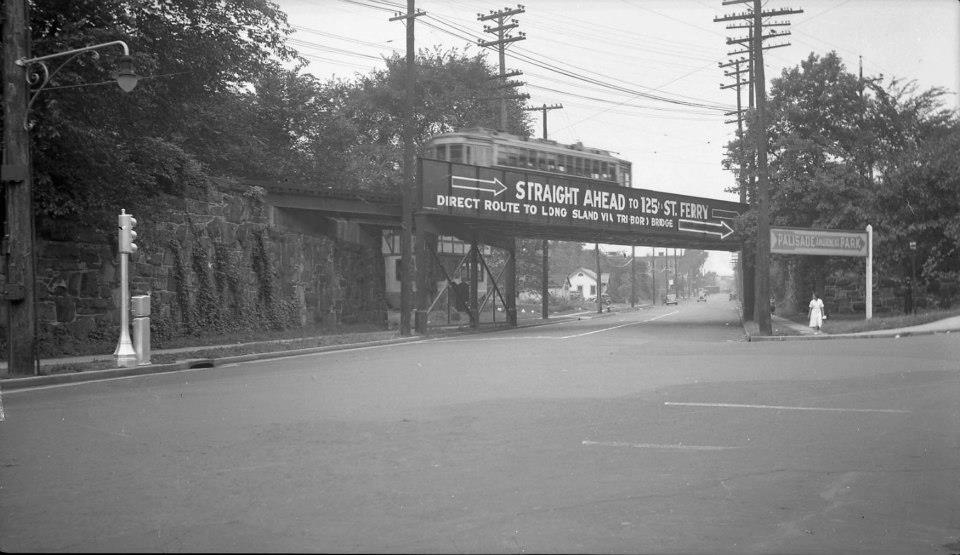


Left: This view is from Gorge Road in Cliffside Park, with a Public Service trolley on the overpass. The corner-hinged Horni signal and controller boxes appear to be brand new, painted in shiny silver.
Center: The Crouse-Hinds Type T signal at the entrance to the ferry is a bit of a mystery. The visors and the amber Adler lens are rotated 90 degrees (thanks to Highway Divides member Stavros for noticing the Adler lens). The MOVE ON GREEN ONLY sign may have been a precursor to NO TURN ON RED.
Right: This is the southbound perspective of the ferry entrance. This view confirms that the intersection was controlled by a single Crouse-Hinds Type T head per approach.
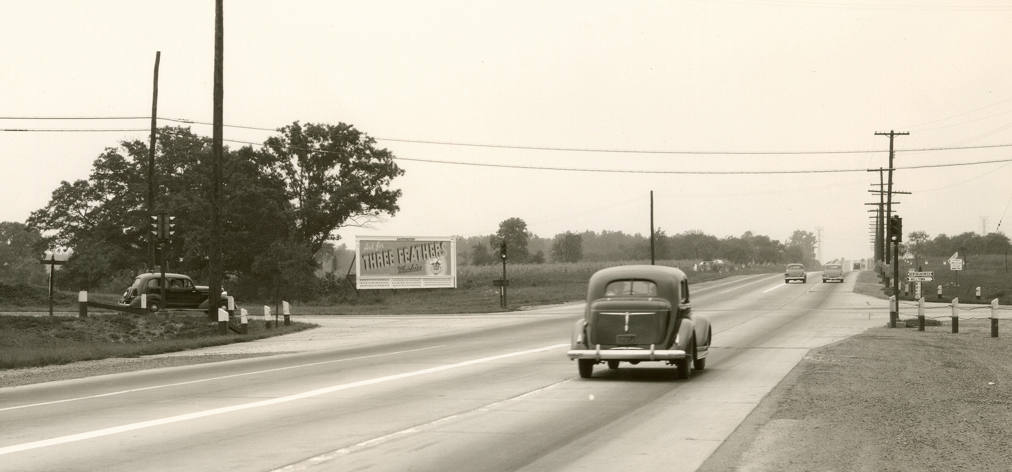

This is the intersection of US-1 (then NJ Route 25) with Milltown Road in North Brunswick. The intersection was once controlled by pedestal-mounted ‘corner-hinged’ Horni signals. Today, it is a multi-lane overpass with ramps. Cook College, my alma mater, is about a mile ahead of this location.
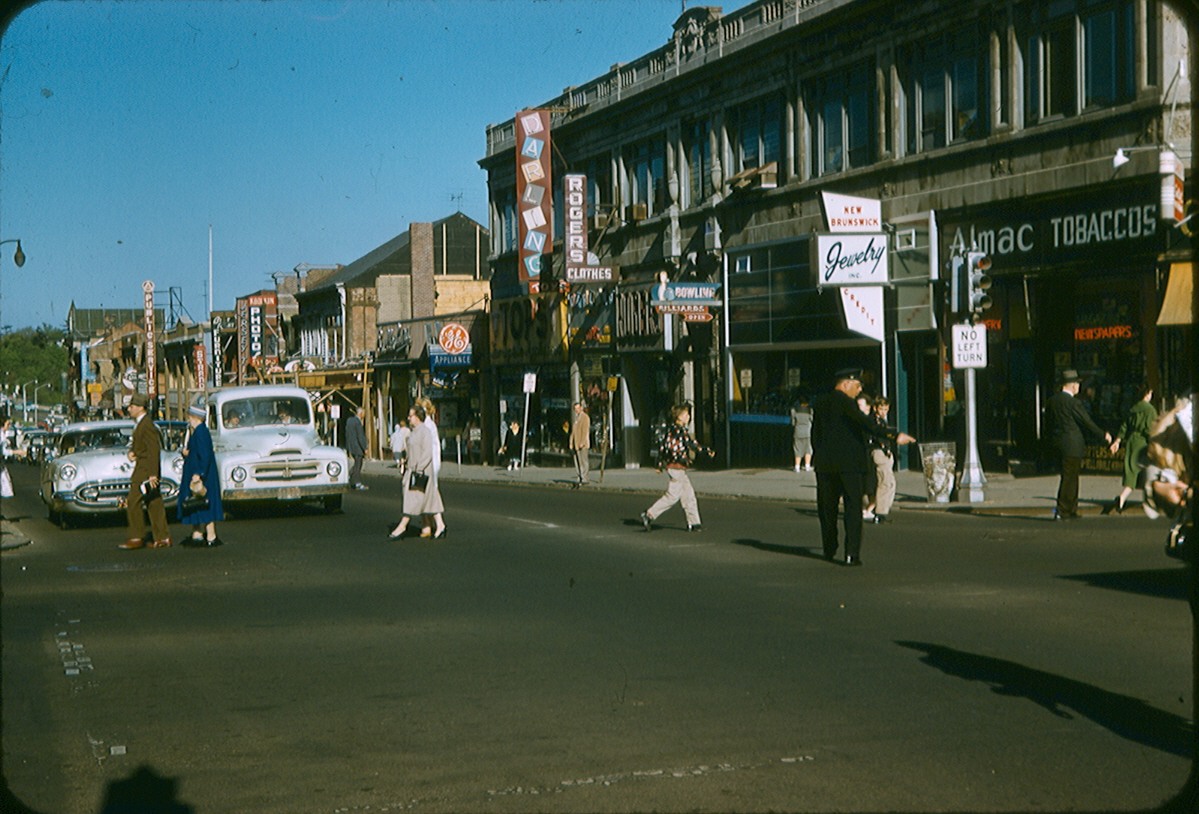

Just a few miles up the road in downtown New Brunswick, we find circa 1920s Crouse-Hinds Type T signals with decorative hardware at the corner of George & Albany Streets.
Trenton Pedestals

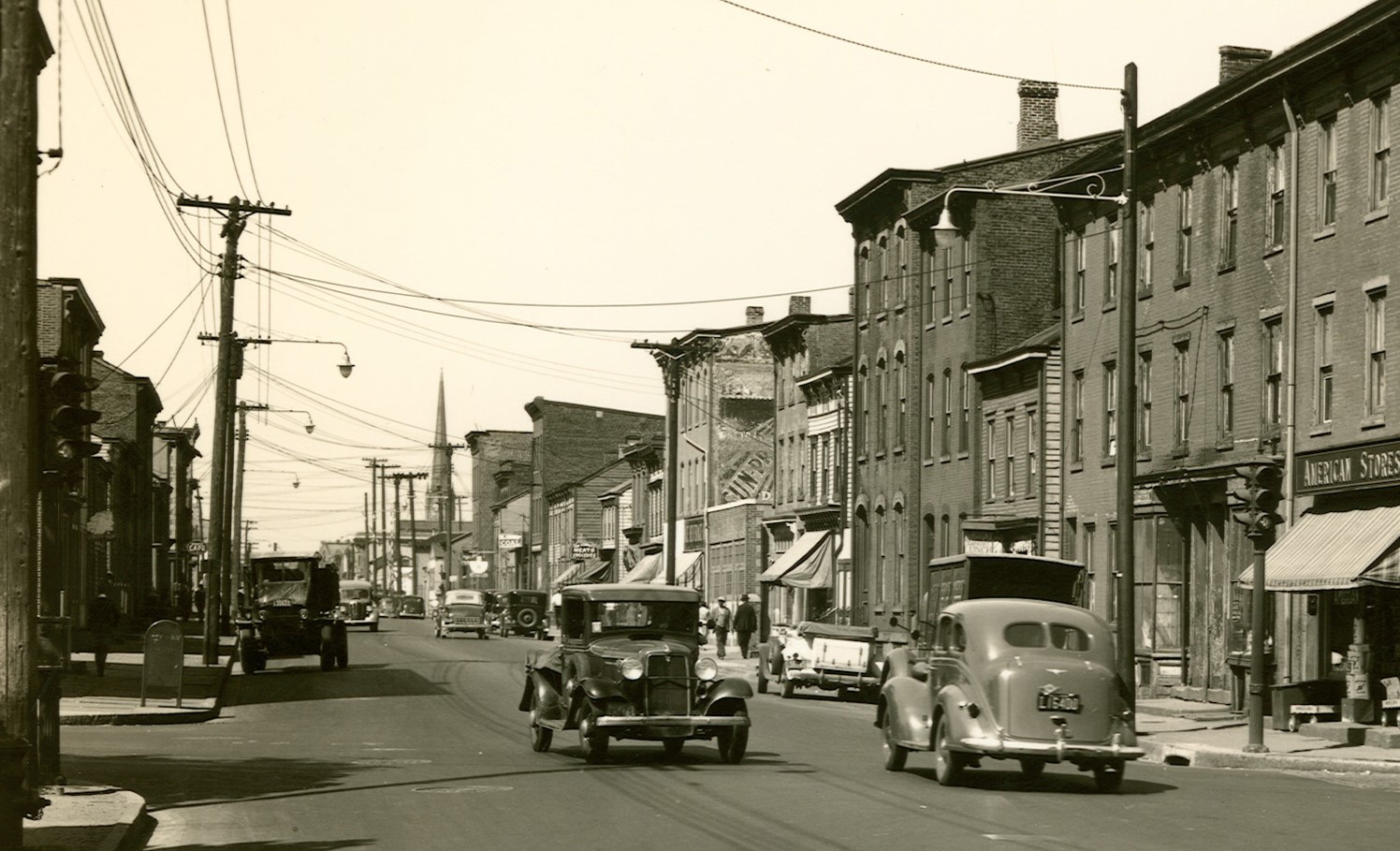
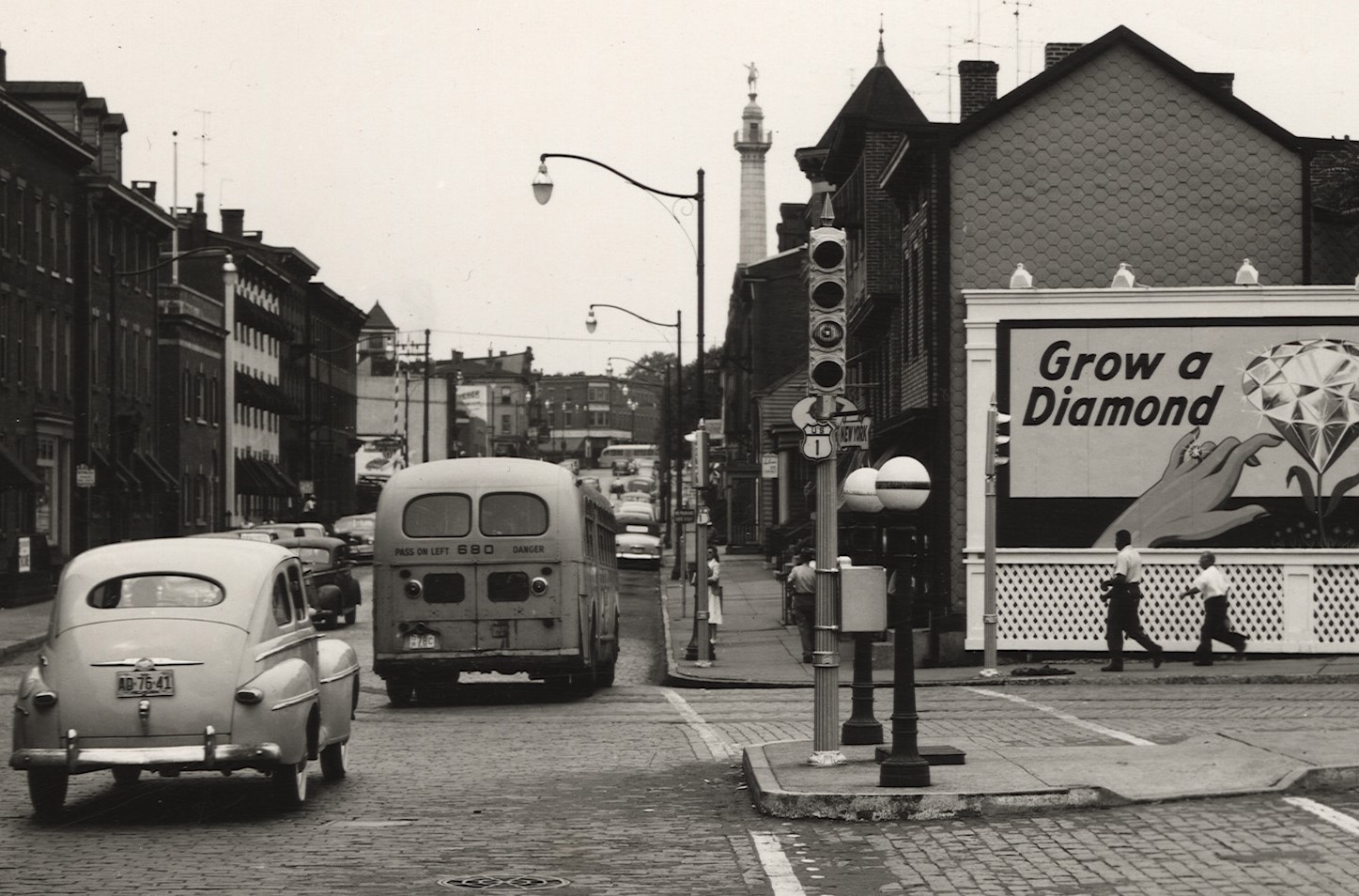
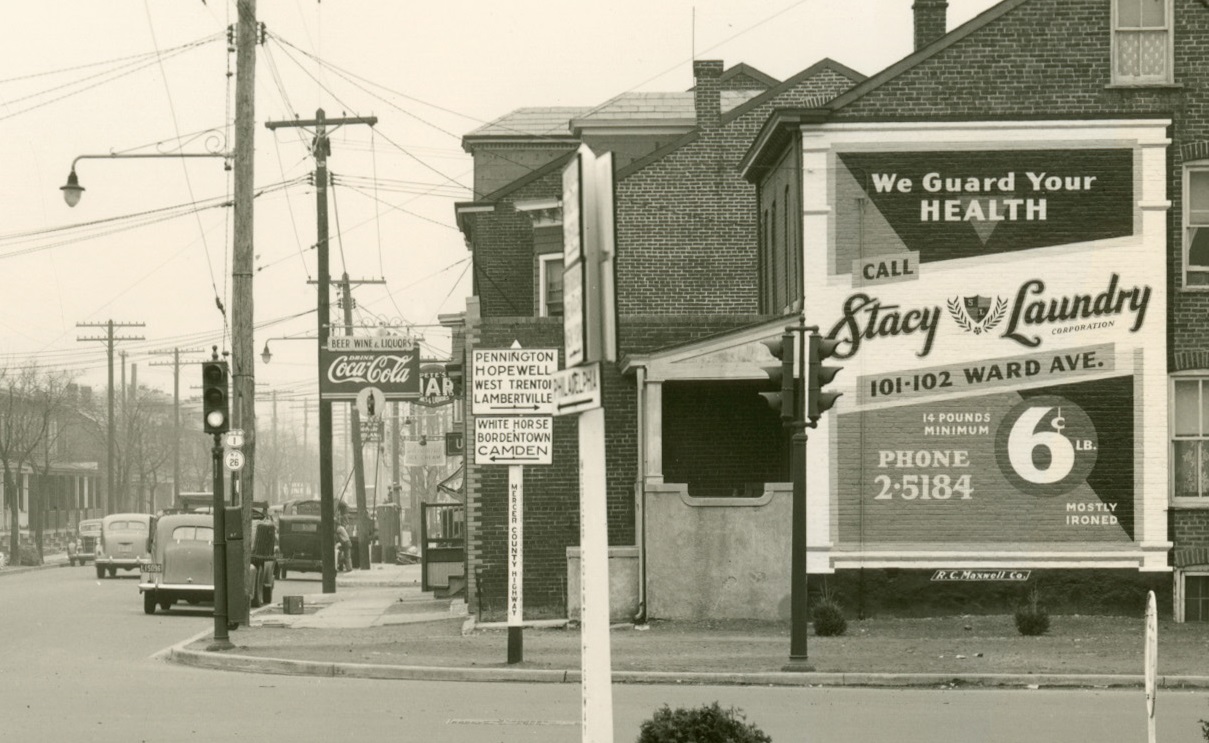
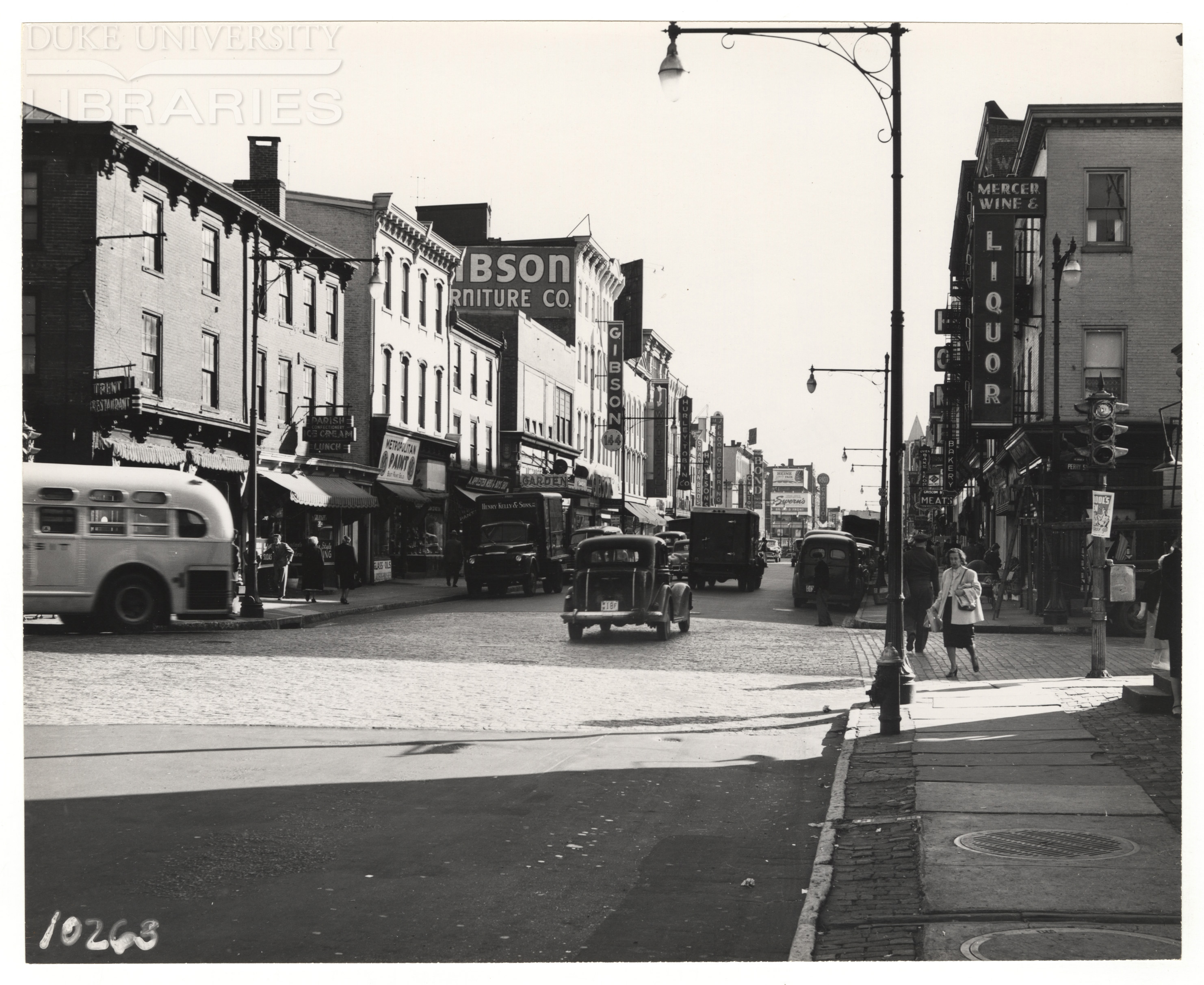
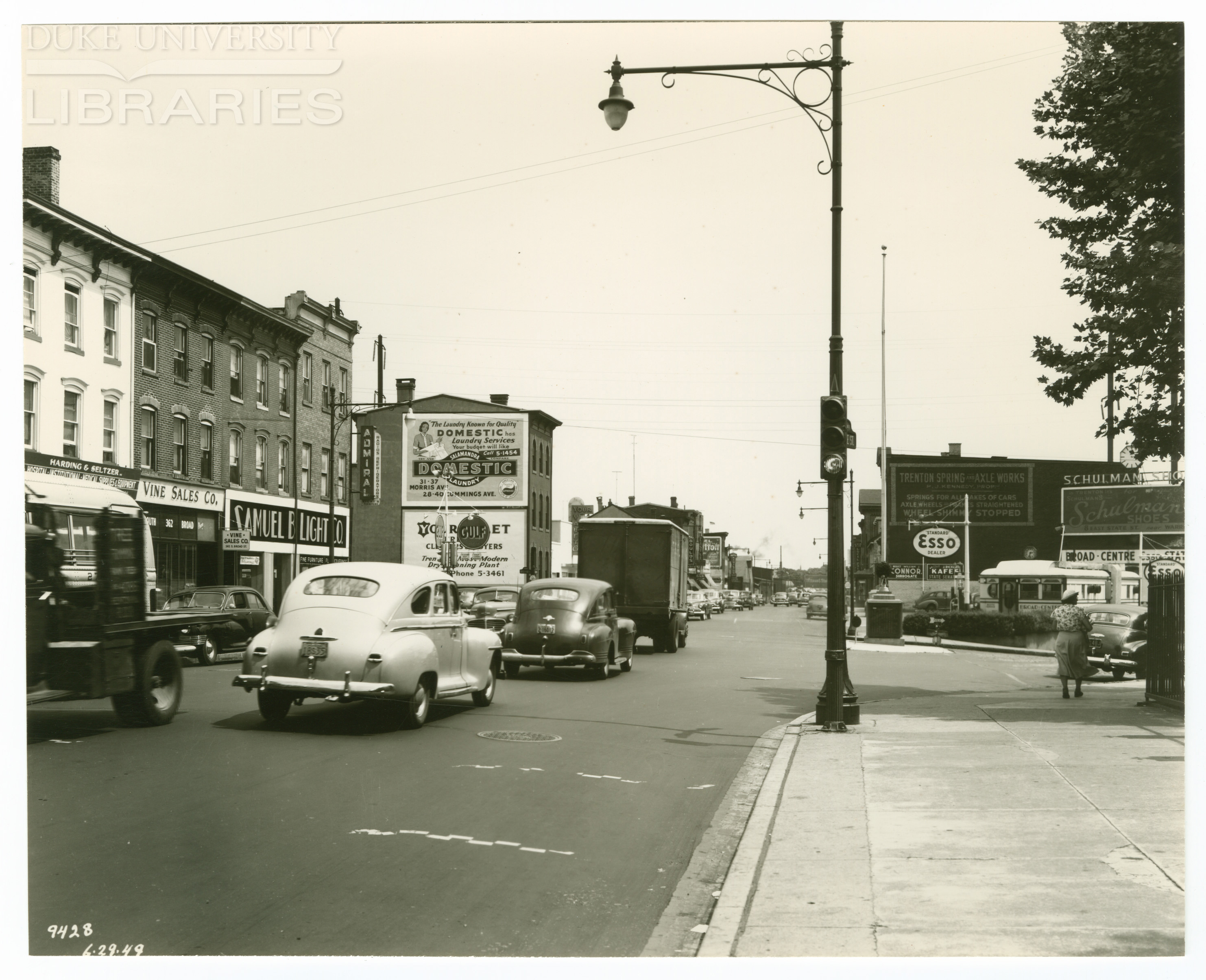
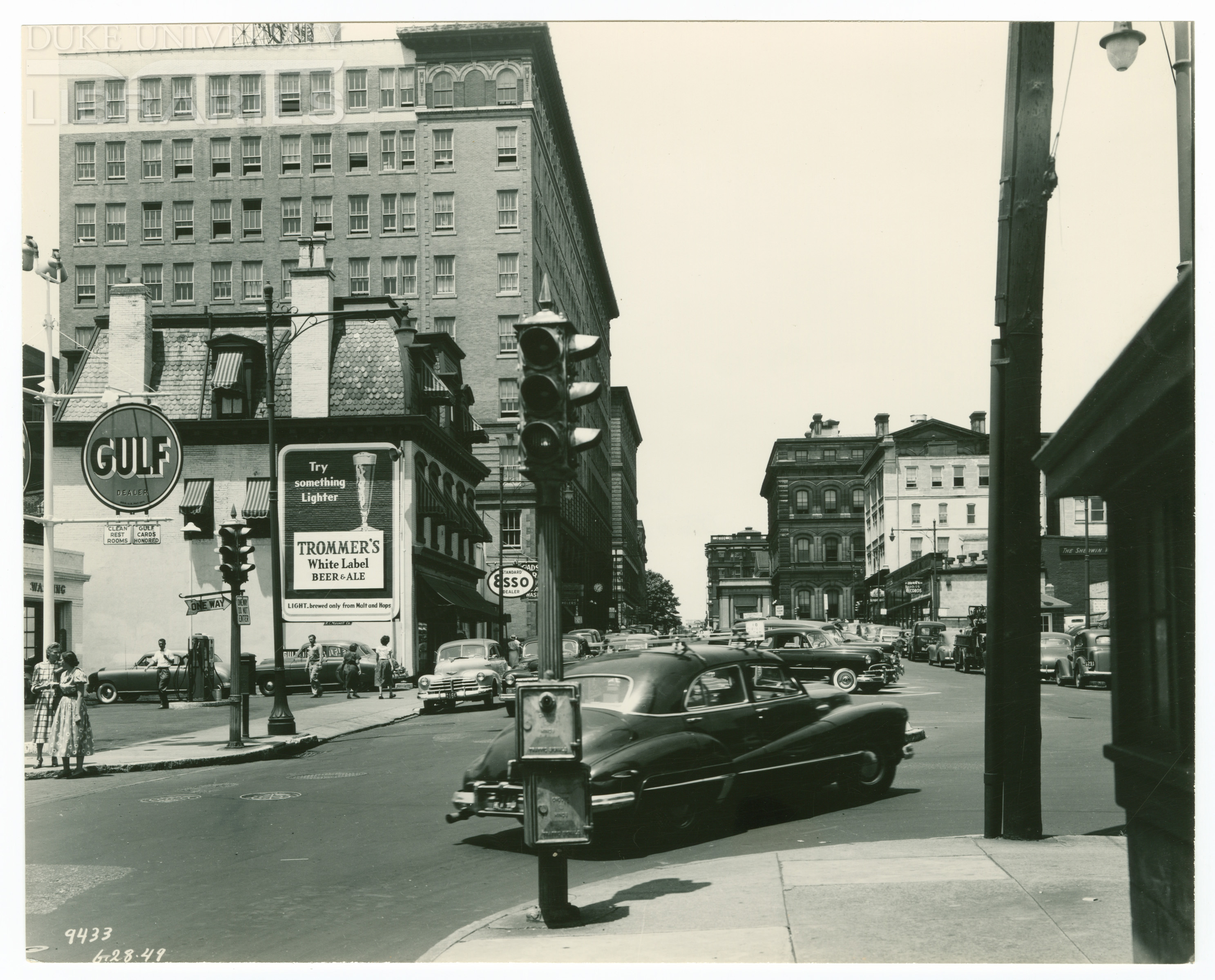
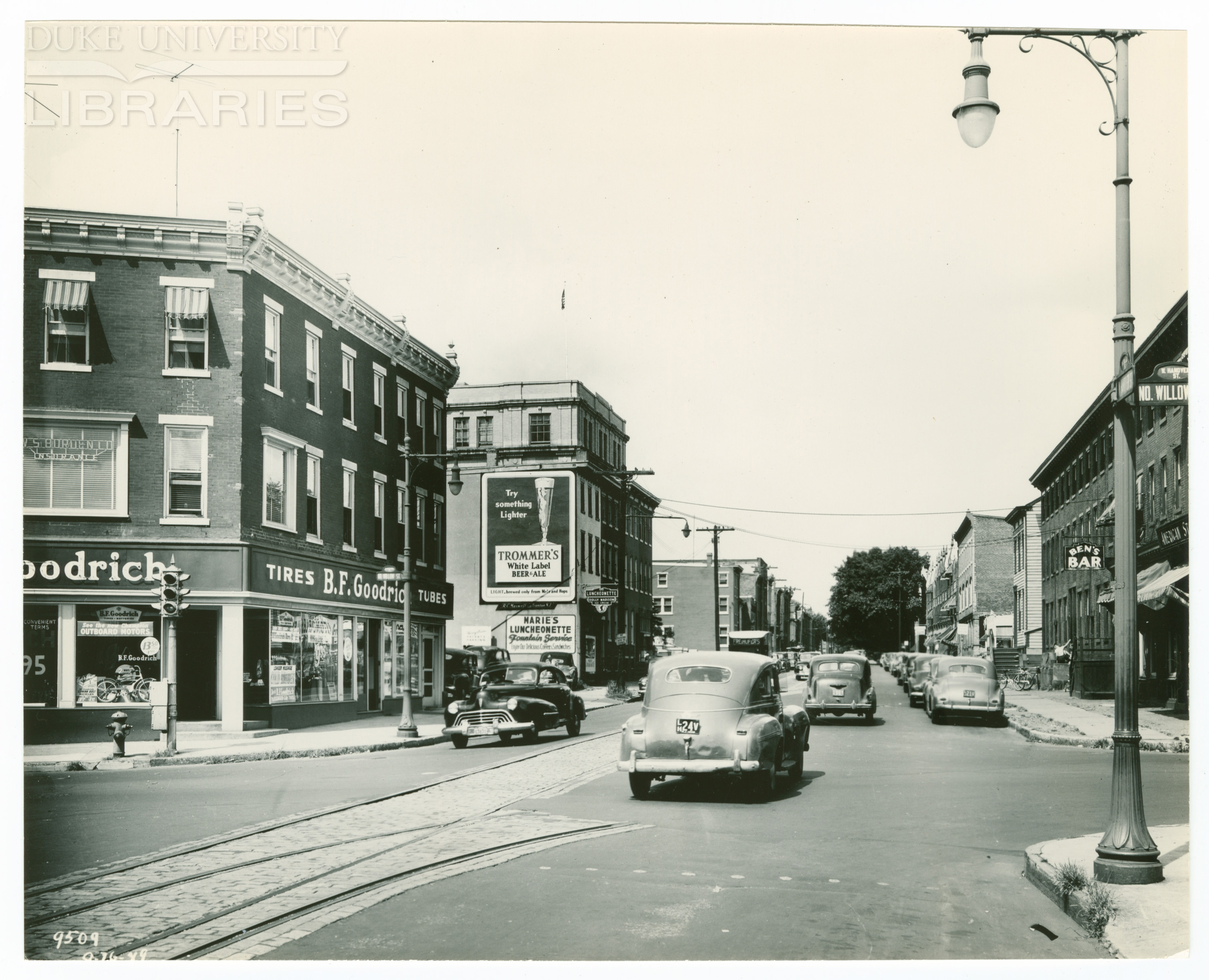
The mosaic above is from Trenton intersections in the 1930s-40s. Various generations of signals by Crouse-Hinds, AGA/SSC and GE. Lots of other lovely treats are contained therein, including streetlamps, fire alarm boxes, business signs and murals and guide and route signs. All photos from the RC Maxwell collection.
Changing of the Guard in Vineland
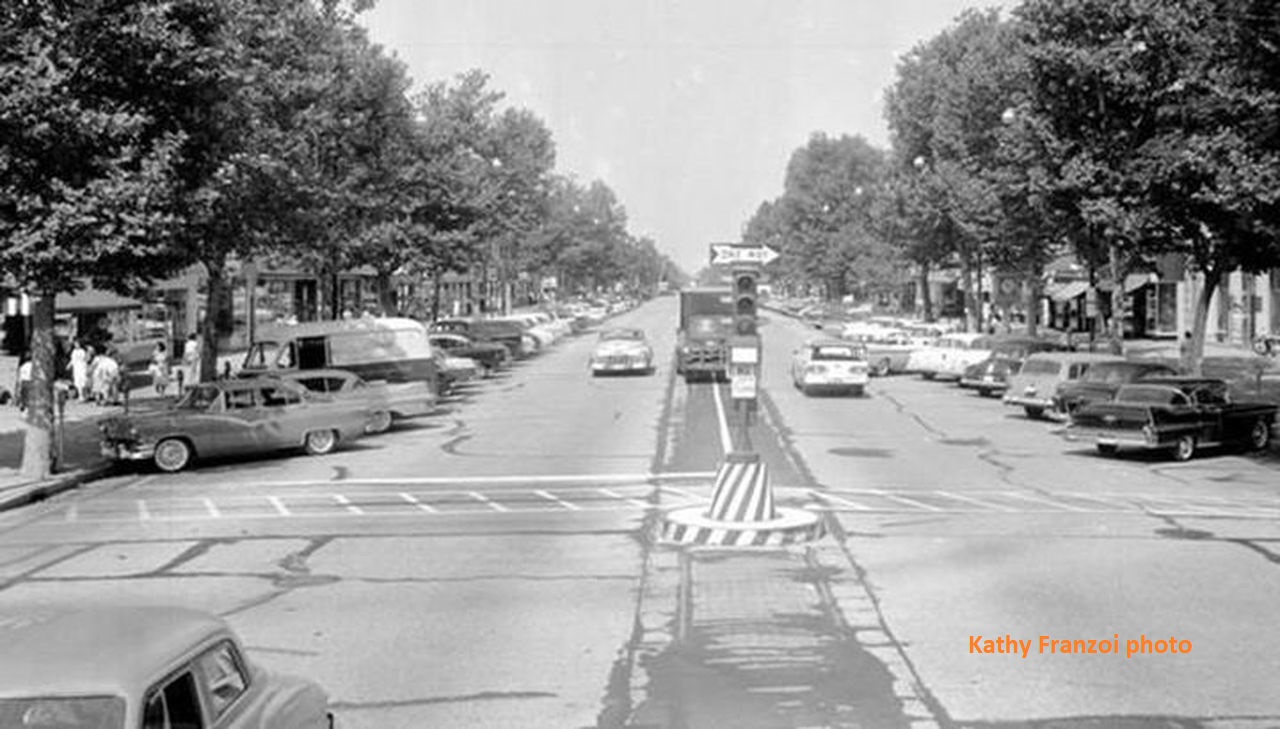
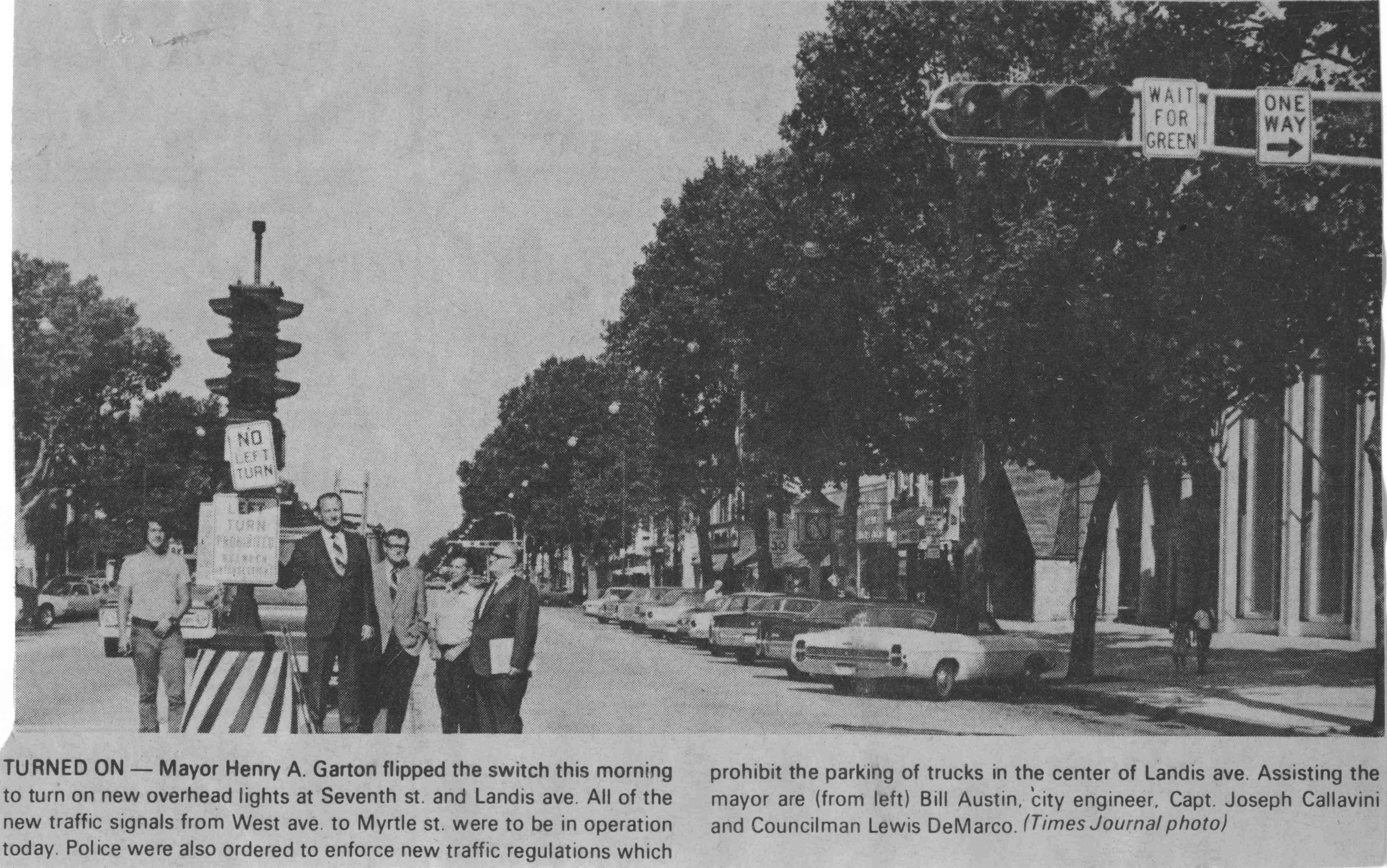
A very old porthole-style signal on an island pedestal, seen in operation ca. 1960 on the left, is being replaced by a modern set of horizontal signals with 12″ lenses in the 1972 newspaper clipping on the right. The newspaper caption mentions the prohibition of truck parking in the center lane, which we see an example of in the earlier photo.

An old police-operated 4-way (Essco?) still in use in Burlington in the ’50s.
Four-way signals on Union Metal poles in Jersey City, looking a little worn already in this photo from the ’50s or early ’60s… The signal in the foreground is a GE Novalux with angled doors.
Somerville : Upgrade from Pedestals to Overhead Masts
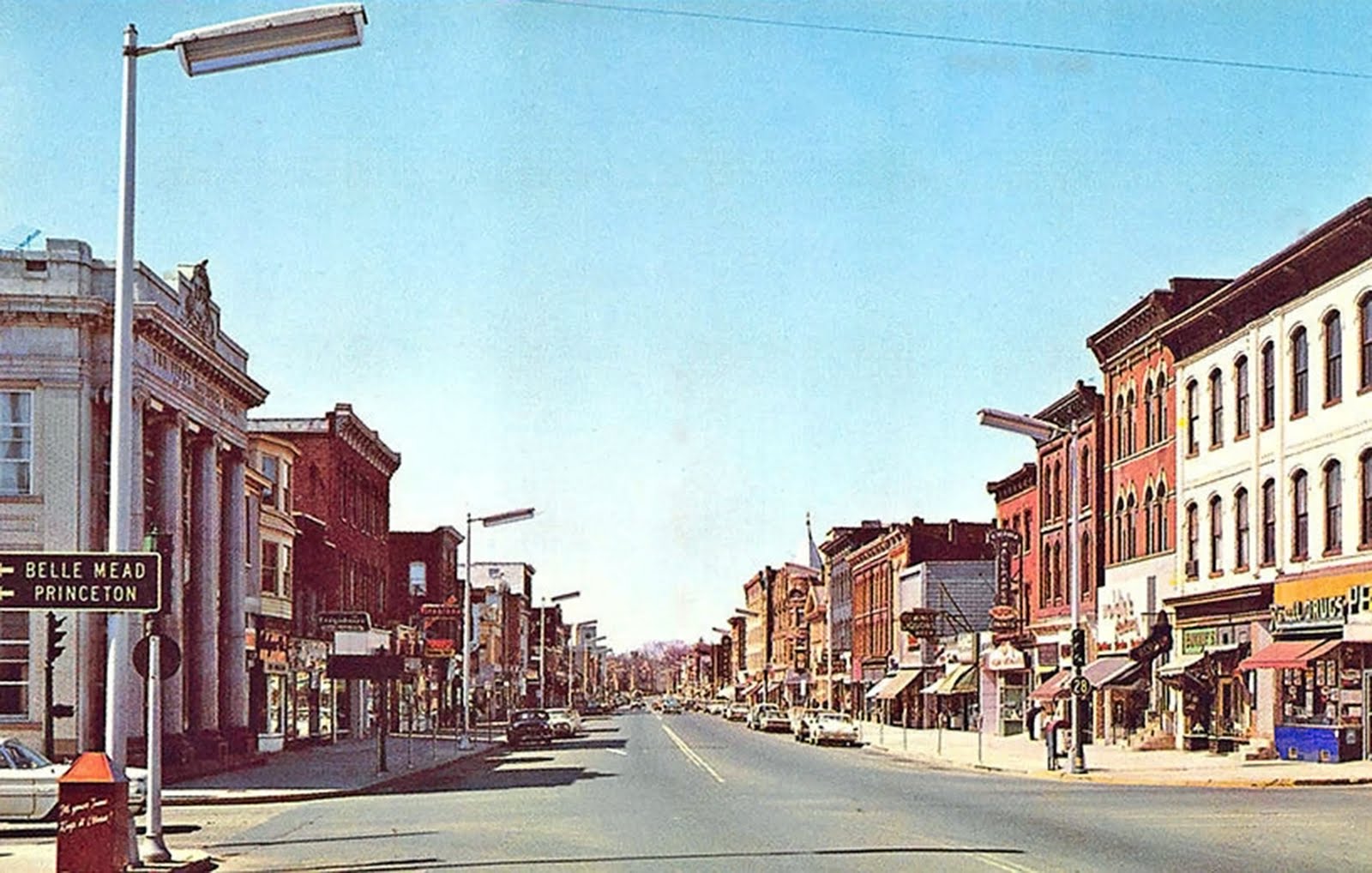
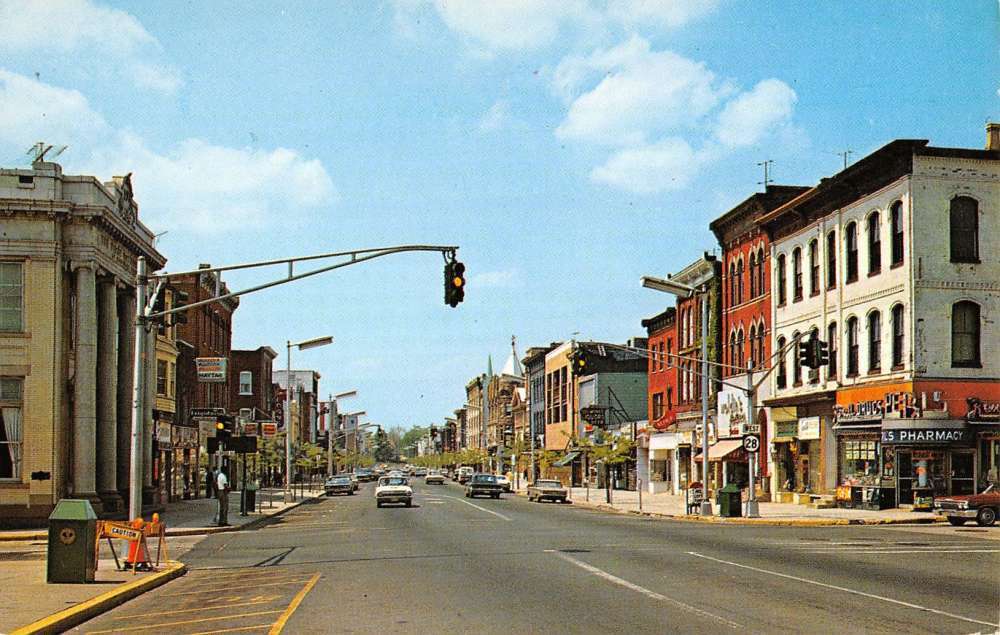
The two postcards above were photographed in Somerville only a short time apart in the 1960s. The original signals in the left photo are pedestal-mounted AGA-style heads, possibly dating back as far as the 1920s, with only one signal per approach. Another cool thing in the photo are the green circle NJ Route 28 signs mounted below the Main Street signals. My sign collection includes a green NJ 208. In the 1968 photo on the right, the upgraded intersection features brand new Marbelite signals on truss rod masts, along with updated black square highway signs. Note that there is a new pedestal on the far left corner, erected as a pedestrian auxiliary to the new overhead signals.
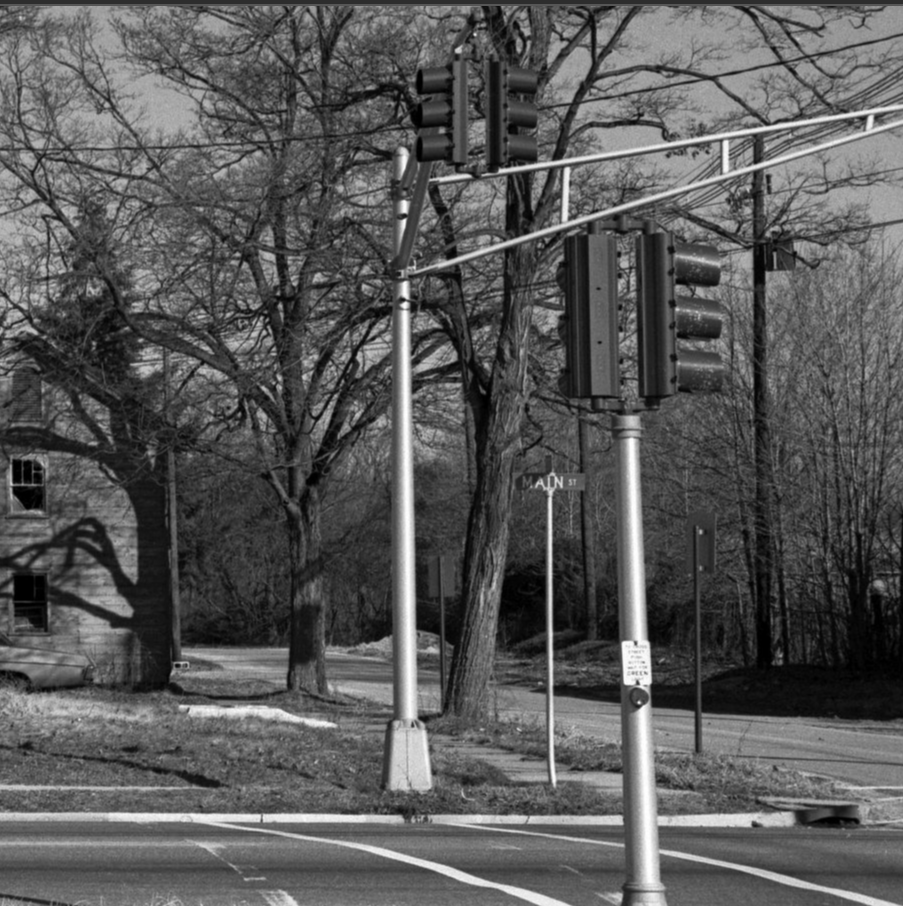
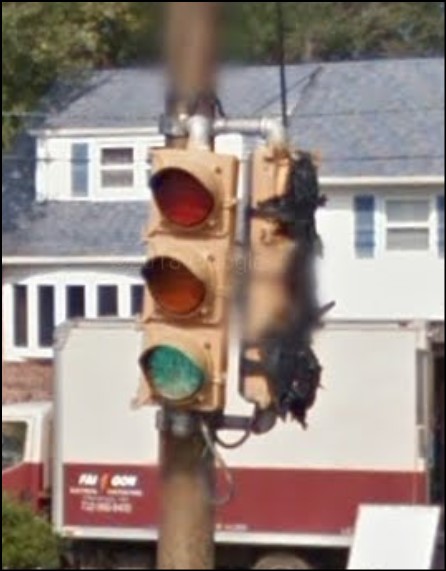
Many of the traffic signals installed on New Jersey’s state and US routes from the 1950s into the ’70s were dark green Marbelites clustered back-to-back. This example is from NJ-US Route 46 in Hackettstown. Pedestal-mount signals, like the one in the foreground, or side-of-pole signals, were often added for better visibility by pedestrians. This was a lazier/cheaper solution, compared to wiring in pedestrian signals with crosswalk phases.
Jack Falat photo
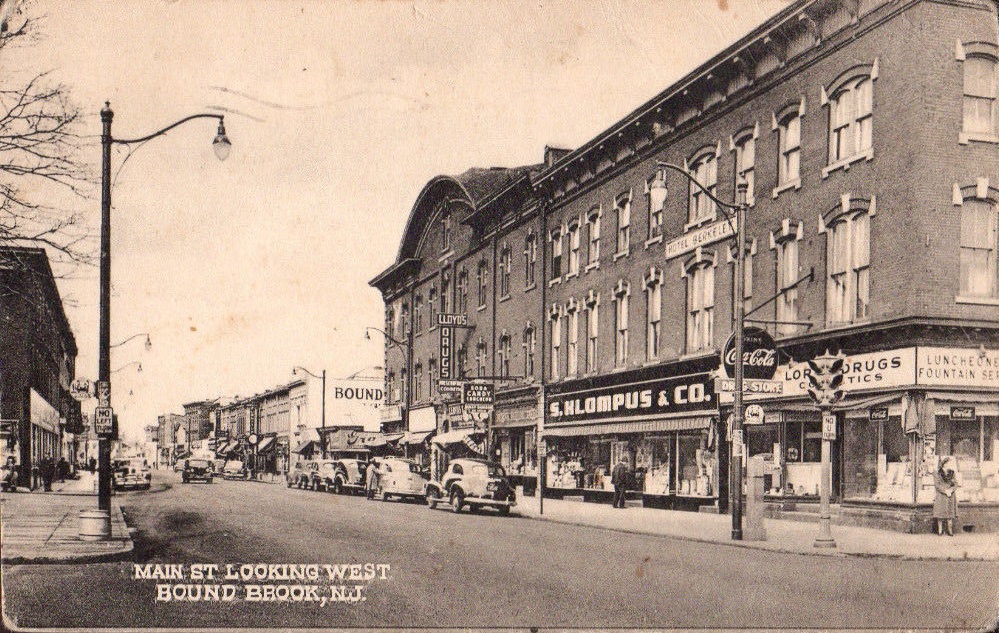
Bound Brook has lots of good Mexican food these days, but no more pharmacies with a soda fountain, nor any finial-topped AGA signals like this one controlling the corner of Main & Hamilton.

Linden grammar school students in 1950 cross the street at a ‘corner-hinged’ Horni signal that was installed about ten years before they were born.
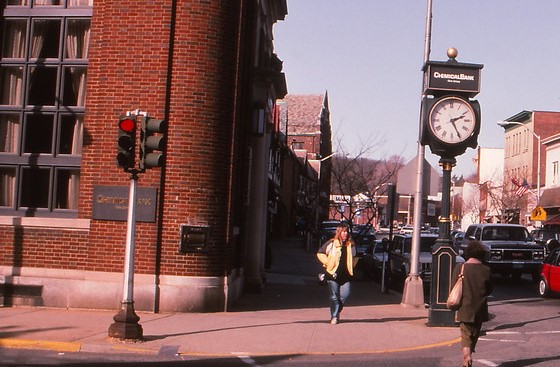
From Todd Jacobson’s wonderful Flickr albums, this photo was taken on Valley Road in Montclair in 1992. I believe the signal heads are GE “Groovebacks”. They look more modern than the ornate pedestal, but when you consider that Groovebacks were first made in 1937, this could be 100% original.
I lived within a few miles of this location for much of my life, and I remember a lot of old pedestals like this still working across Essex County well into the 1990s. Sadly, they’re close to (if not) 100% gone now.
Pedestal-Era Survivors
Maplewood Fire Dept.: Crouse-Hinds Porthole Door Beacon
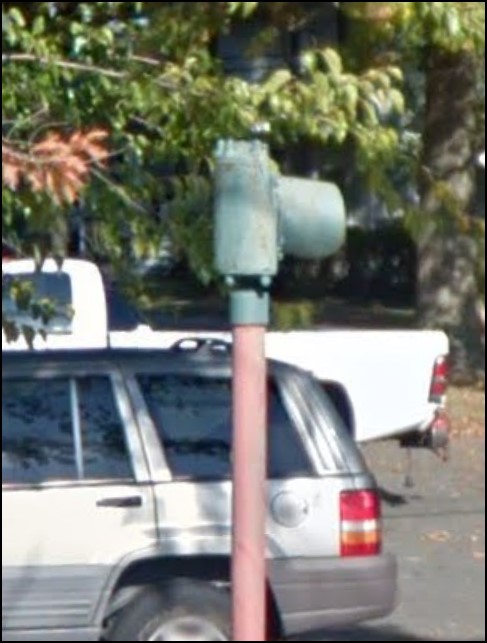
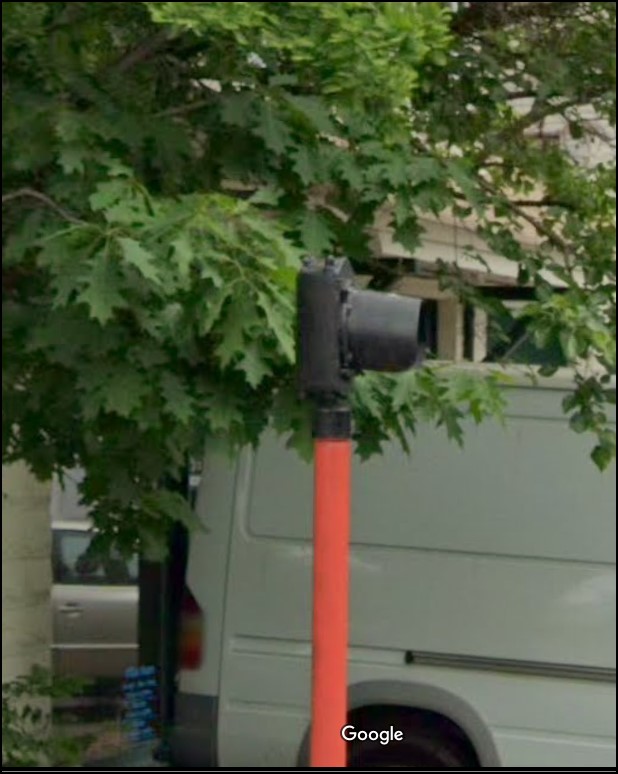
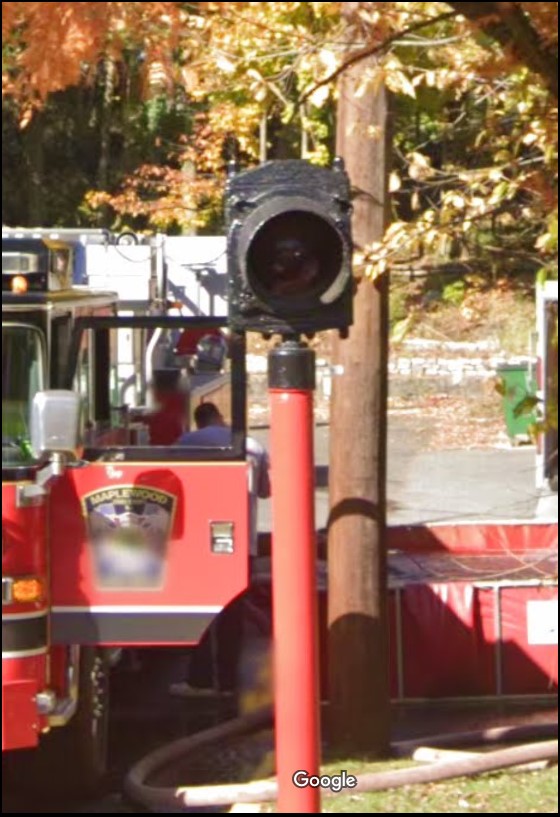
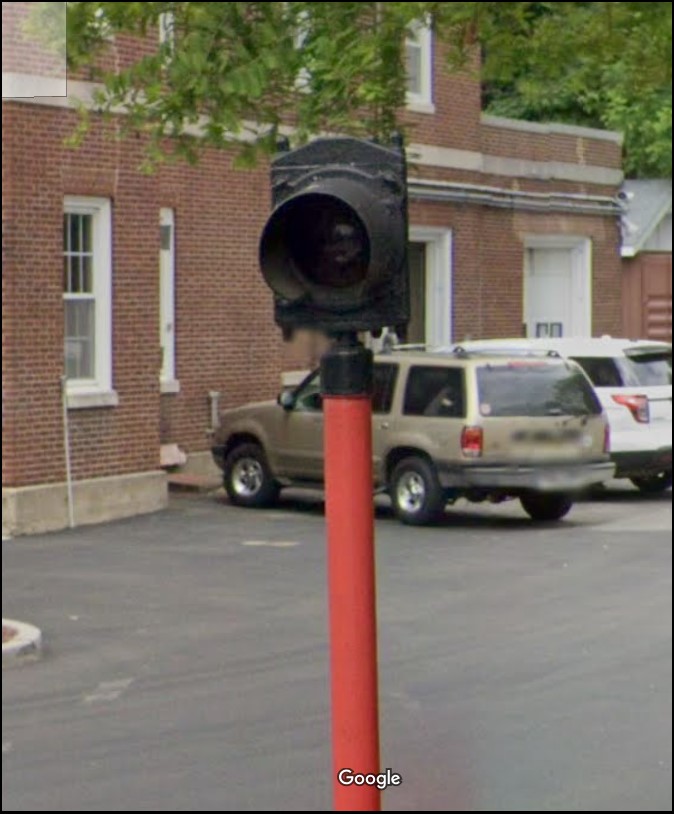
Lovingly maintained in front of Maplewood’s Fire Department Headquarters is this easily-missed, single-lamp beacon with porthole doors and tie rods, made by Crouse-Hinds in the 1920s. Along with the AGA beacons in Summit (below), this is probably the oldest signal head still on the streets of Jersey. I have not been in the area for years to photograph it myself; I am very curious to know if the lens is original.
Summit: AGA Safety Zone Beacons
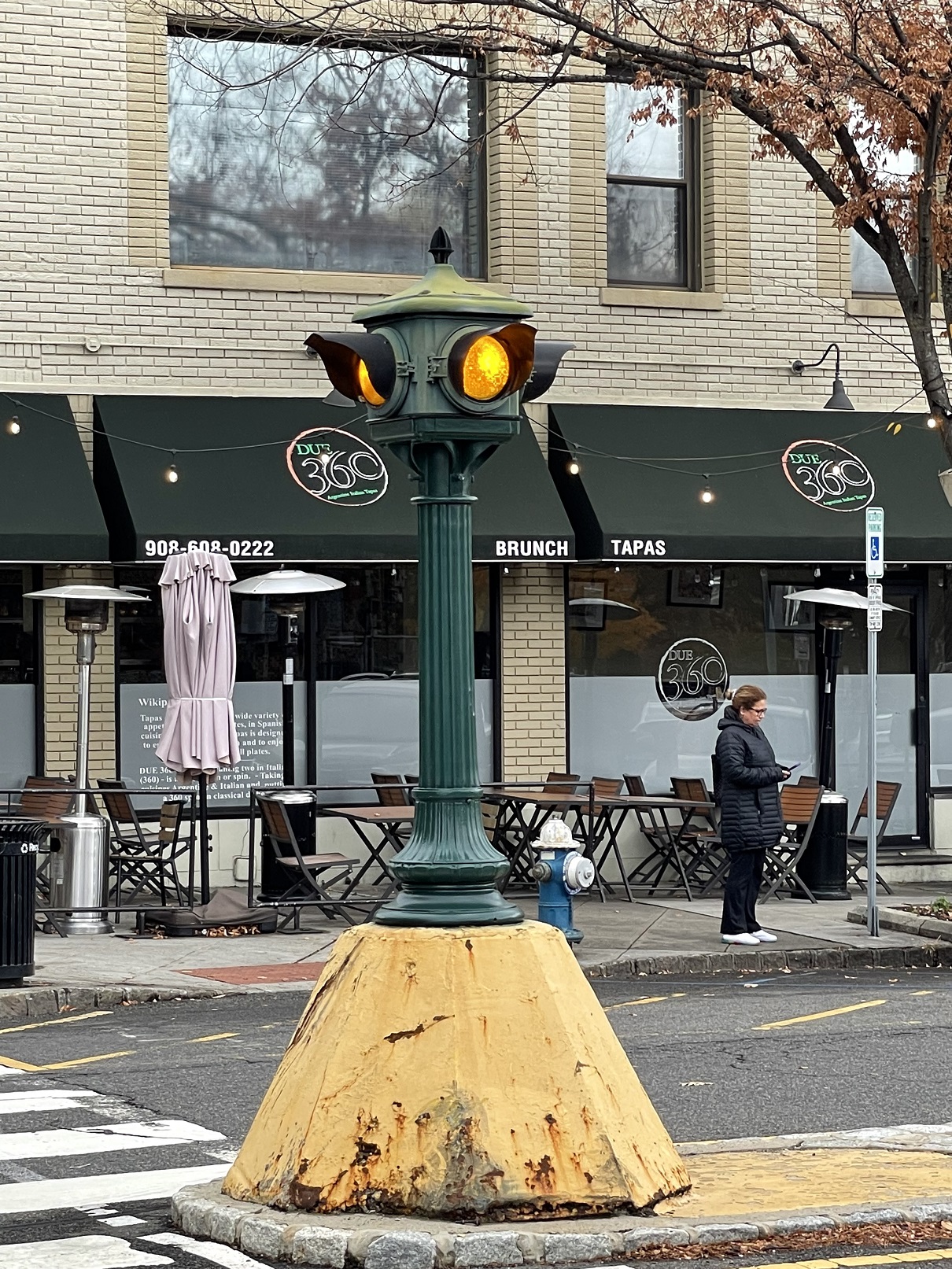

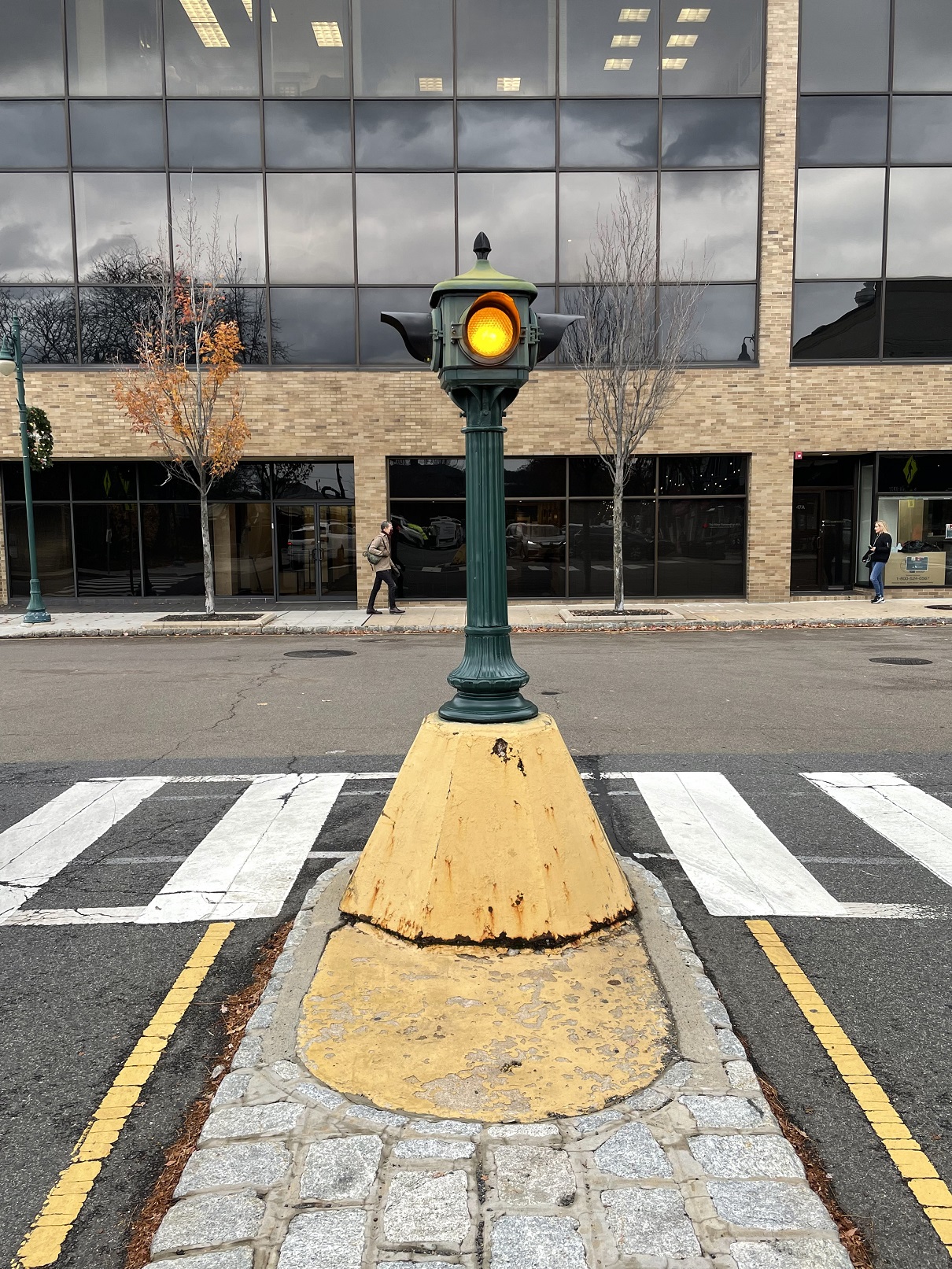
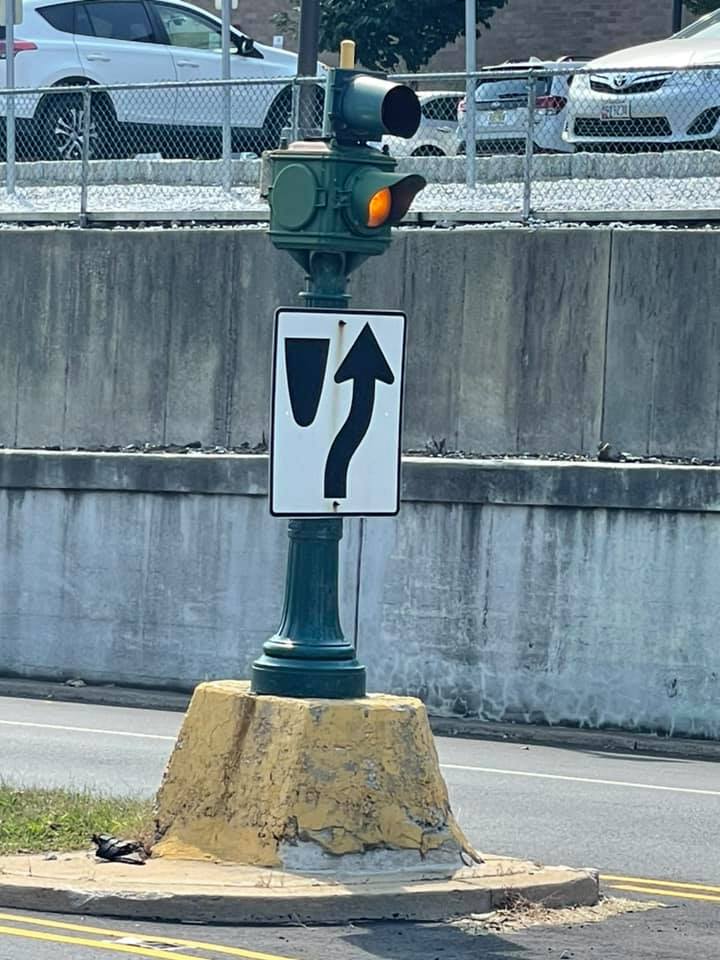

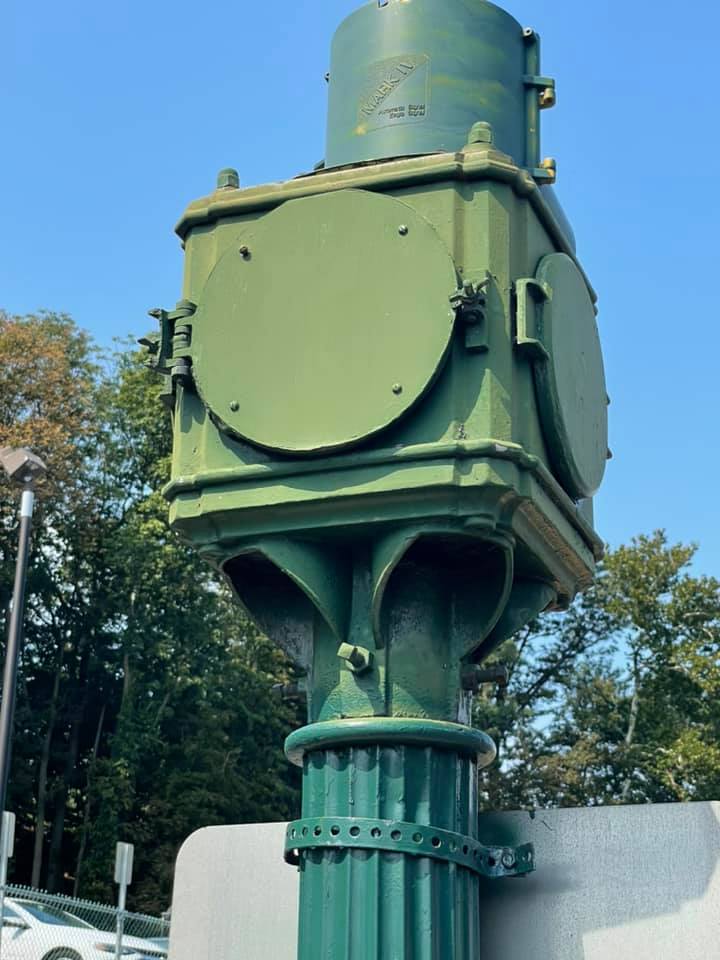
Photos taken in 2021 by Malcolm MacPherson
These late 1920s American Gas Accumulator “safety zone” signals in Summit, along with the Maplewood beacon above, could be the oldest signals in service in New Jersey. As of this writing, they are still operating, retrofitted with LEDs.
The 4-way beacon in the top row is still beautifully maintained at the corner of Maple St and Union Pl. The beacon in the second row is on Broad Street. Despite having a Mark-IV signal stuck on top, it is still incredible and lovely. The blank doors are cool – interestingly, one of them is incorporated into the housing while the other two are latched.
Not far away from Summit, in Meyersville, in the early 2000s, an AGA beacon like these, still on the original pedestal, was sitting in the front yard of a house which had formerly been an antique store. It is long gone from that spot, and I hope it didn’t get discarded.
West New York 4-Ways
Kevin Mueller photos
The old urban municipalities in Hudson County are known by signal fans as one of the best enclaves of old signals in service in the country. These photos of old 4-way pedestal signals were taken in 2017 by Kevin Mueller.
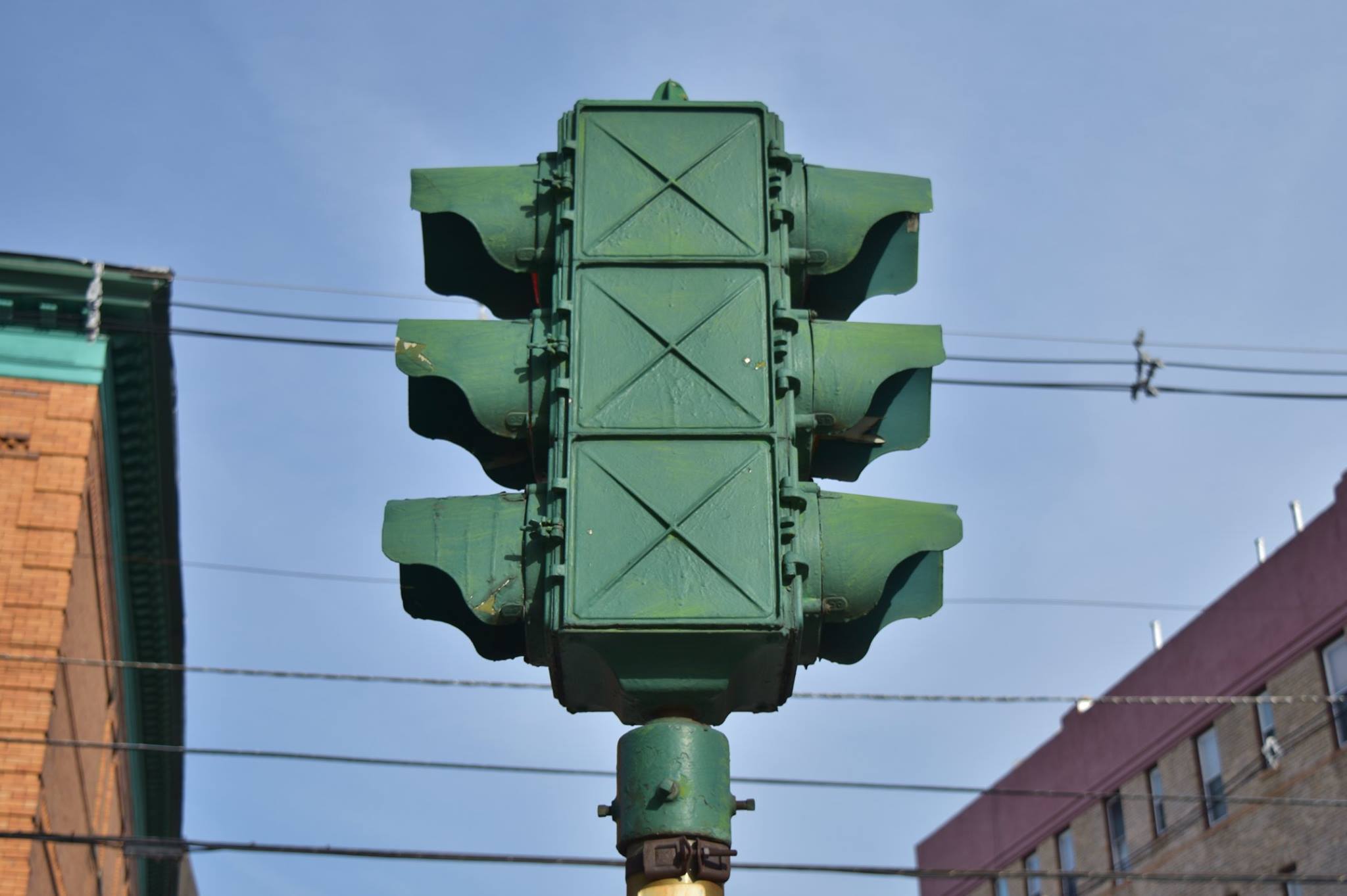


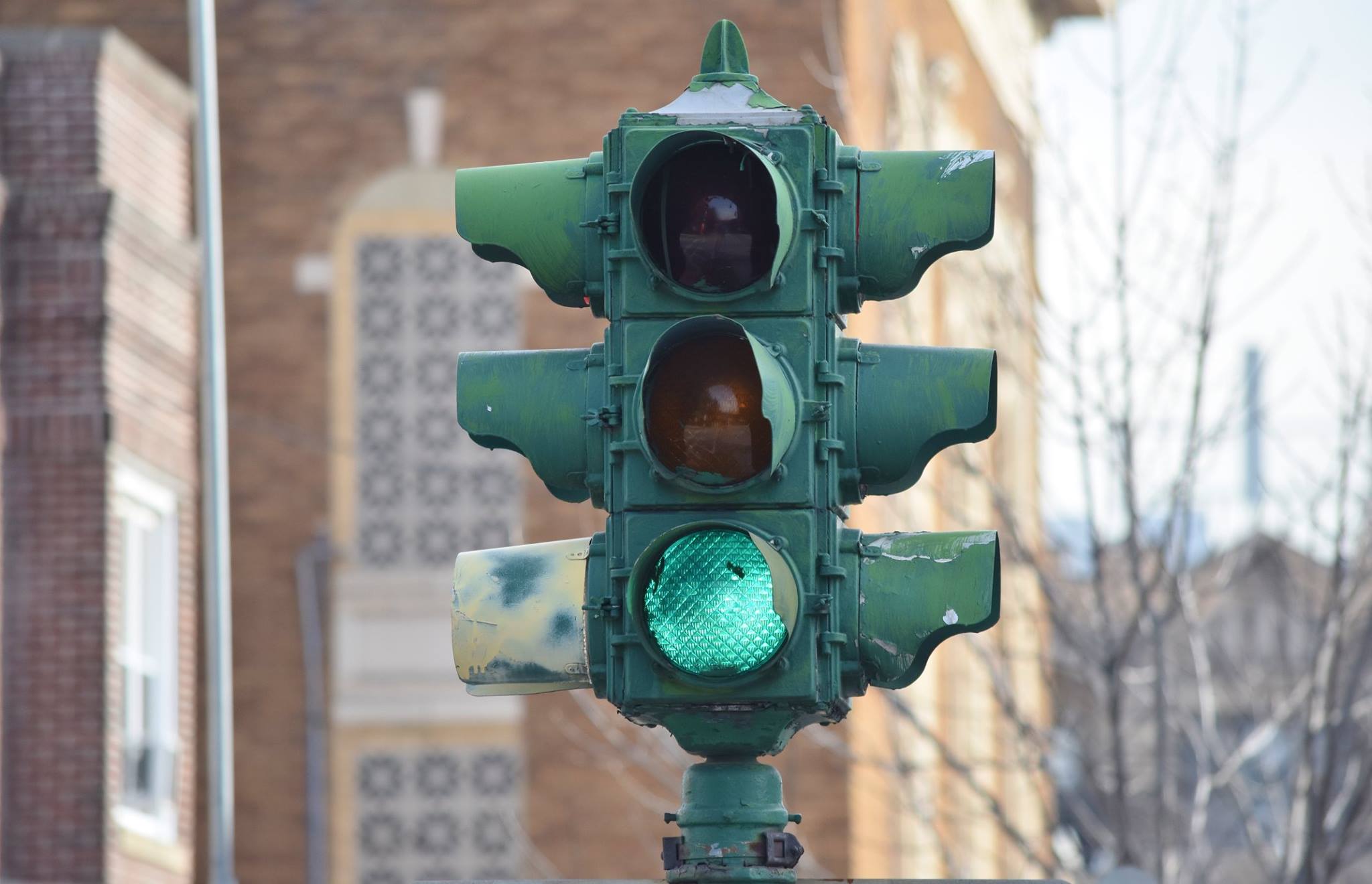

The photos above show Marbelite signals from the late 1940s. The blank doors with the “X” are a rare bird indeed. I have only seen one other signal, in the town of Rye, NY, with these blanks. The short, horizontal cutaway visors and the stubby finial are typical of the older Horni signals that Marbelite inherited in 1947. The cracked “emerald green” lens seen in the last photo is a rare Marbelite No. 6540 lens.
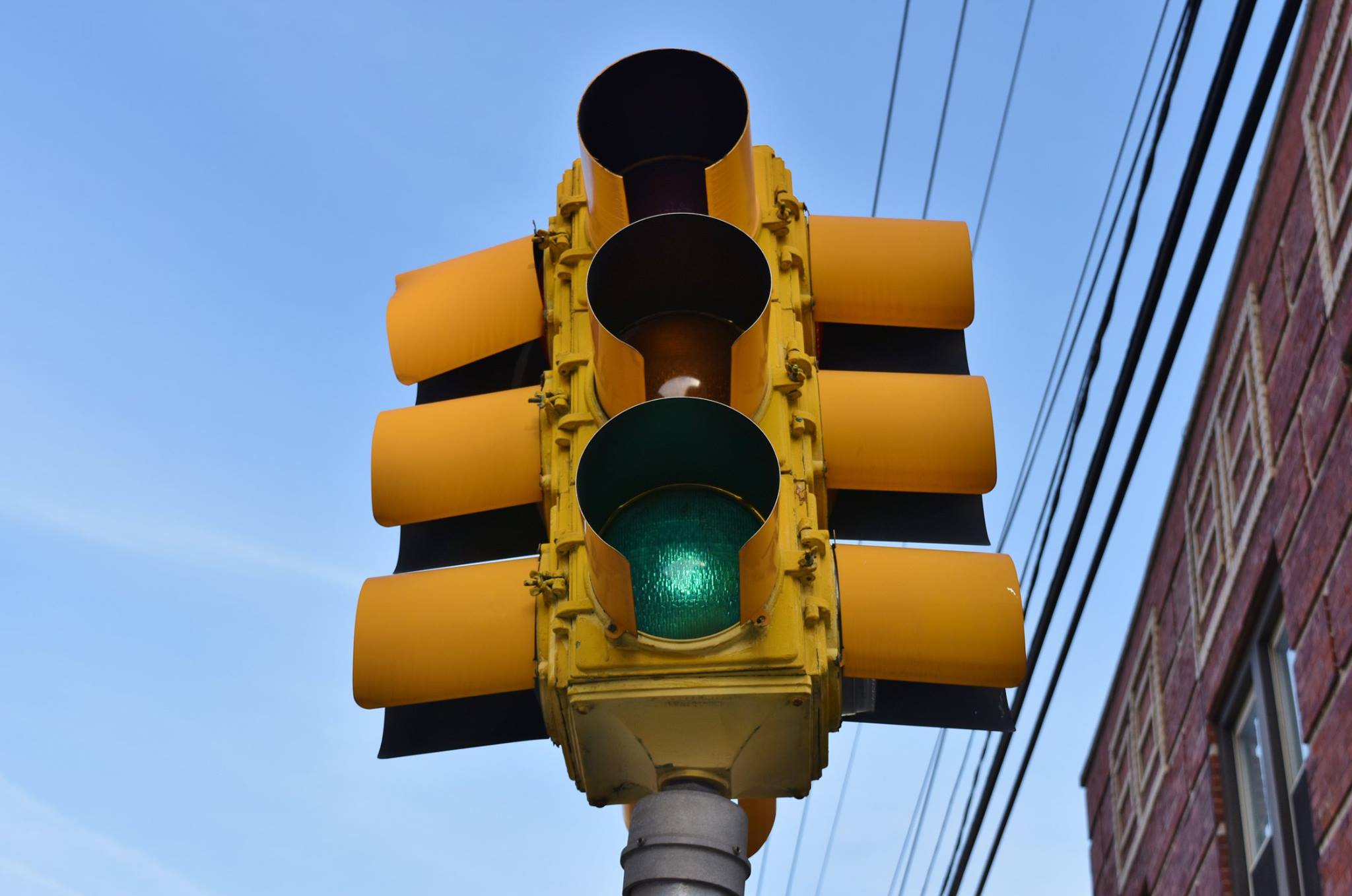
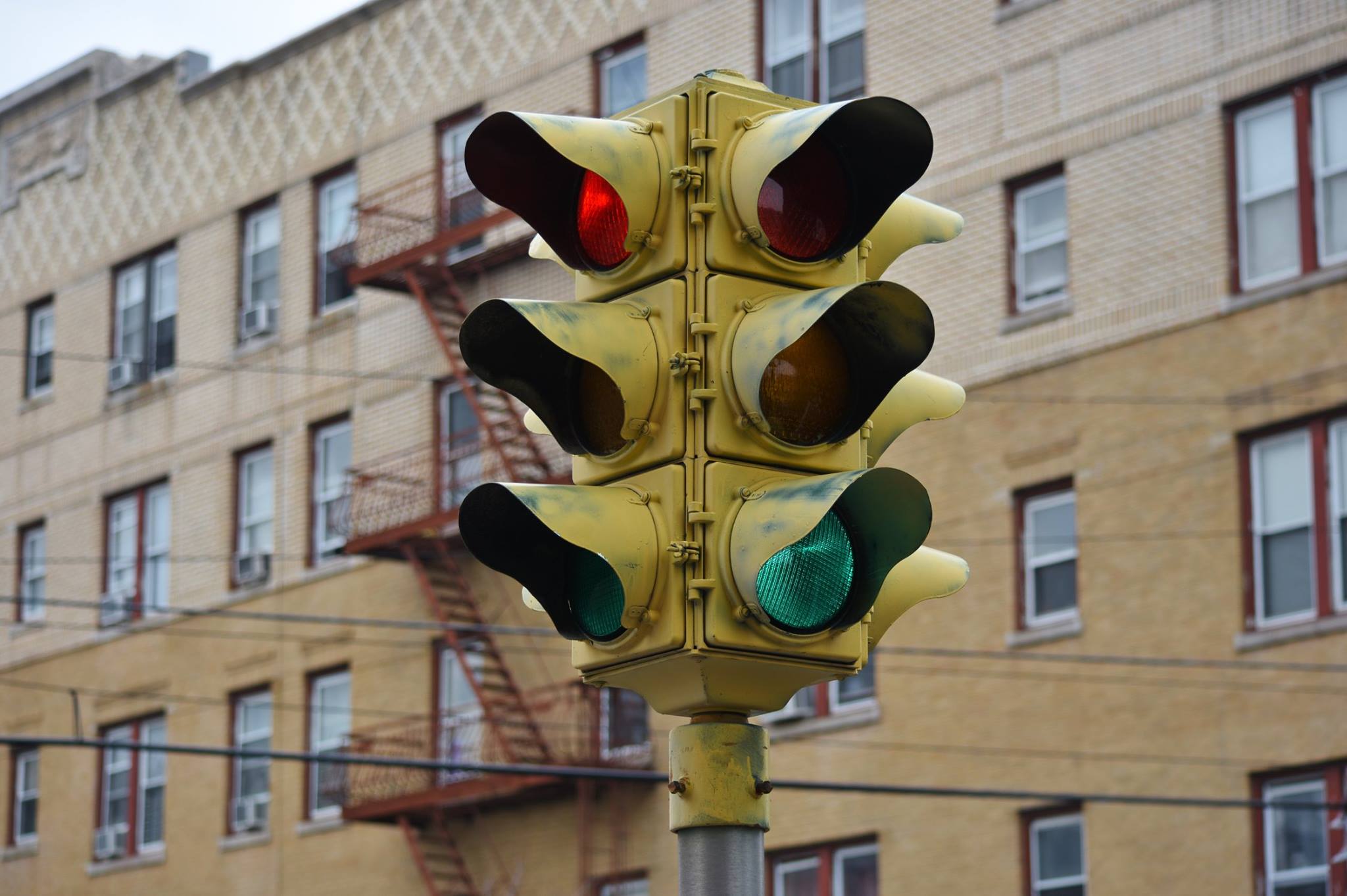

More pedestal 4-ways from West New York by Kevin Mueller, including two slightly more “modern” Marbelites and an AGA-style signal that could have been made by either AGA, SSC or Marbelite. We would need to see the ID tag to know for sure.
War-Time Horni Bakelite Signals in East Rutherford
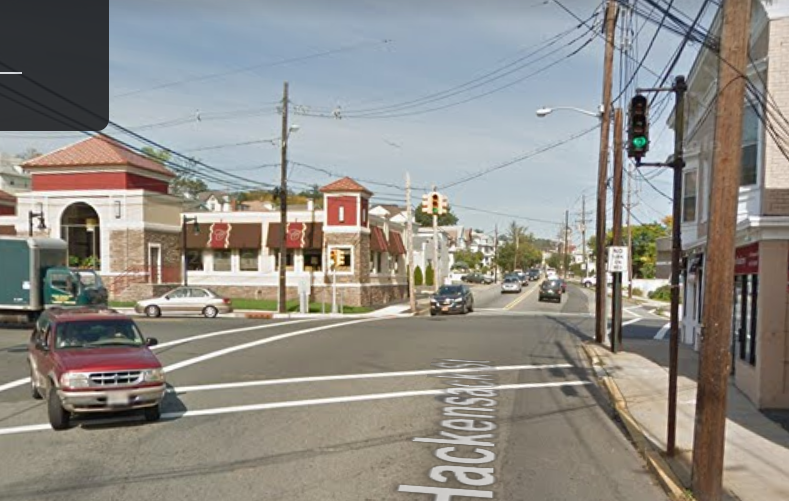
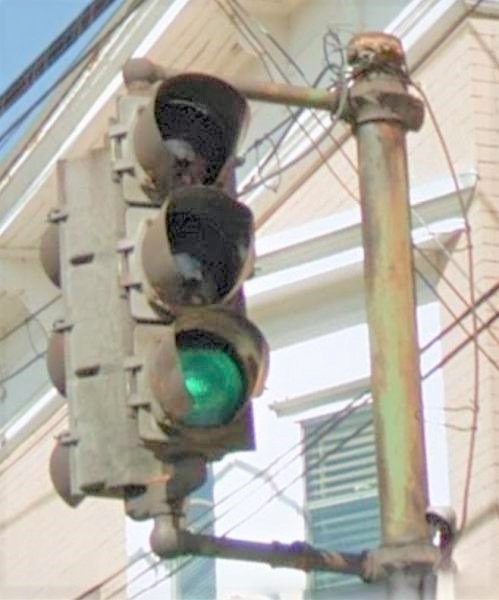
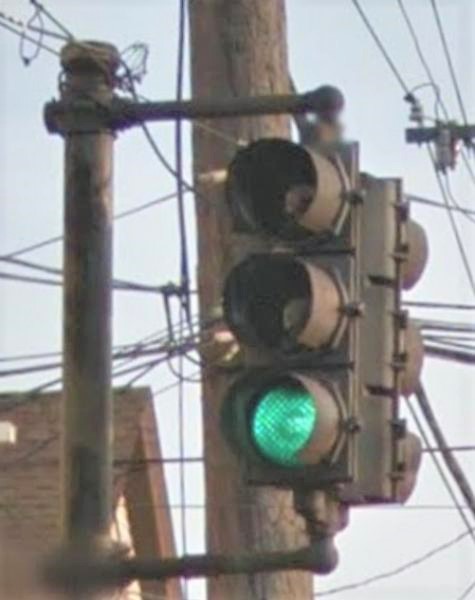
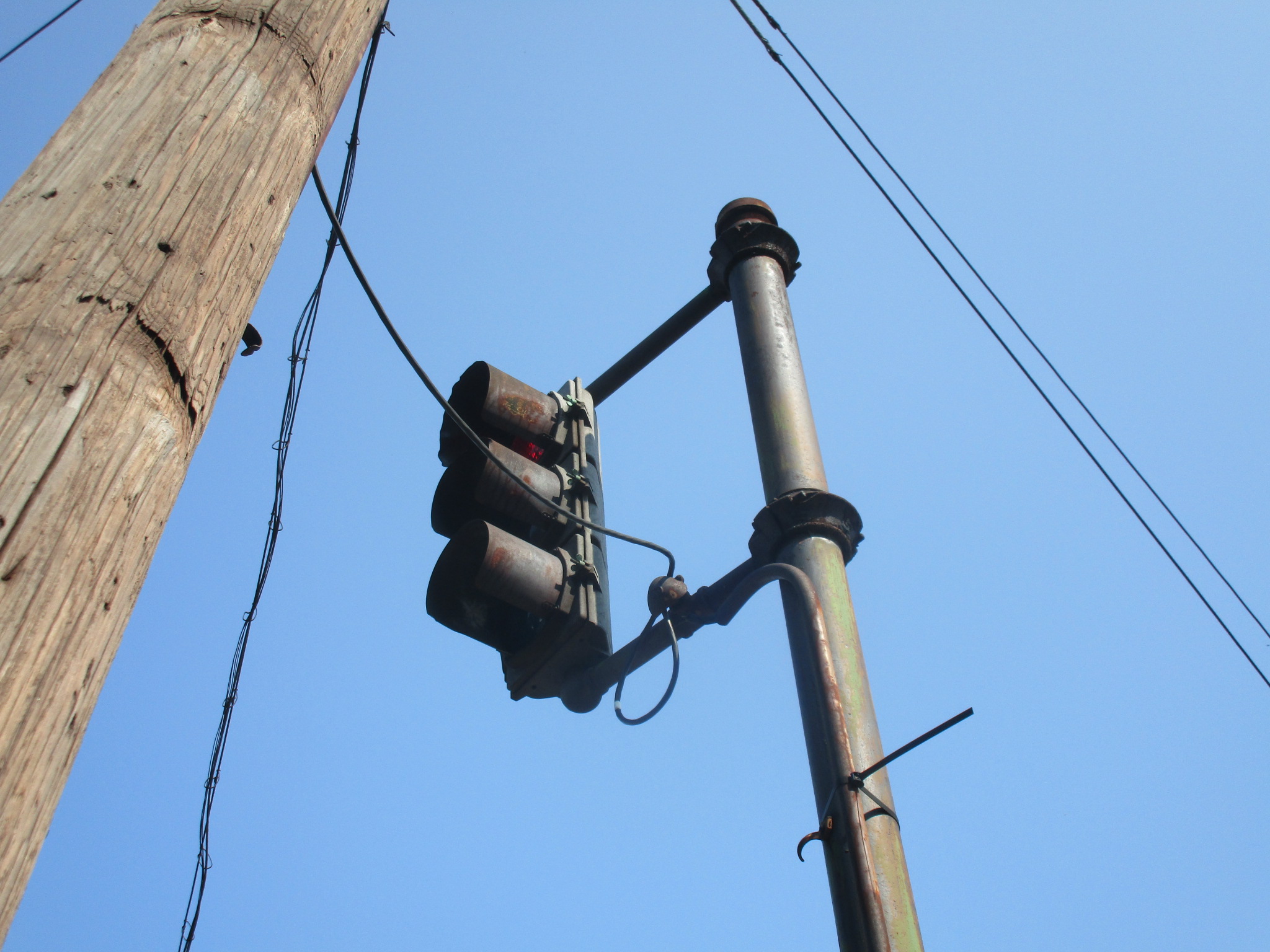
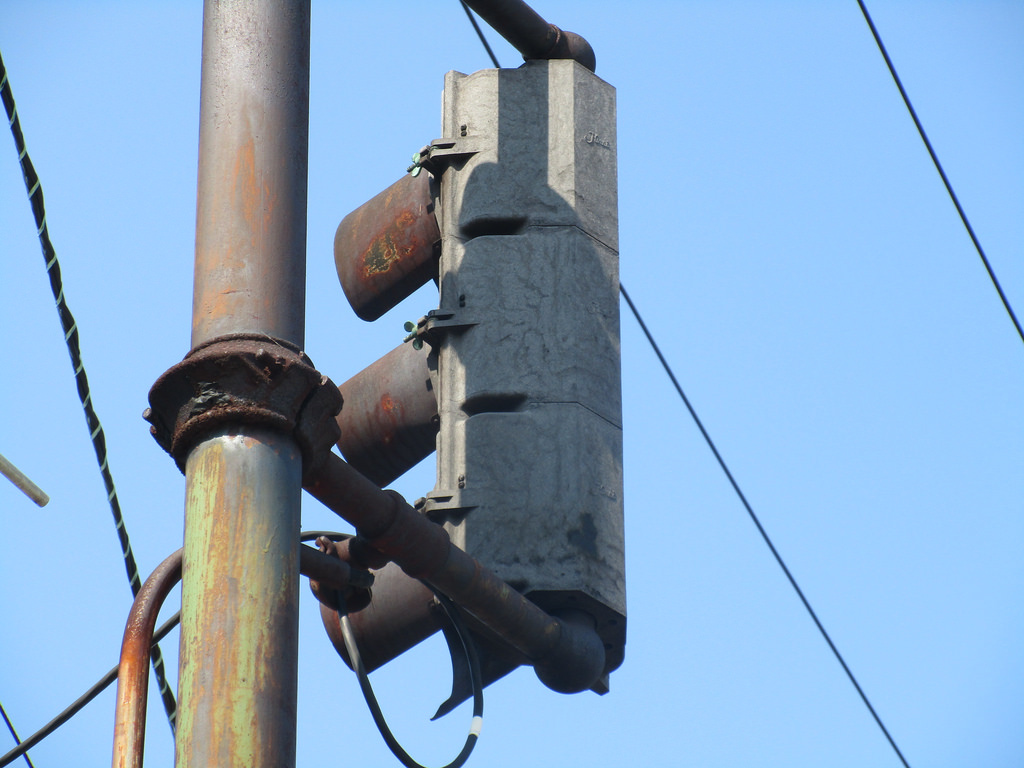
Several years ago, New Jersey collector Chris Sebes posted photos in an online forum of an unusual looking pair of old signals in East Rutherford. After some discussion among several collectors, we identified them as Horni Signal heads made of Bakelite, an early form of rigid plastic, typically used for old telephones, during the war-time restrictions on aluminum. These are an exceptionally cool find, and probably, or so we thought, the last of their kind. It is also a rare glimpse of an early bracket set up on tall posts. The four Google images below are of the Horni Bakelite pair:

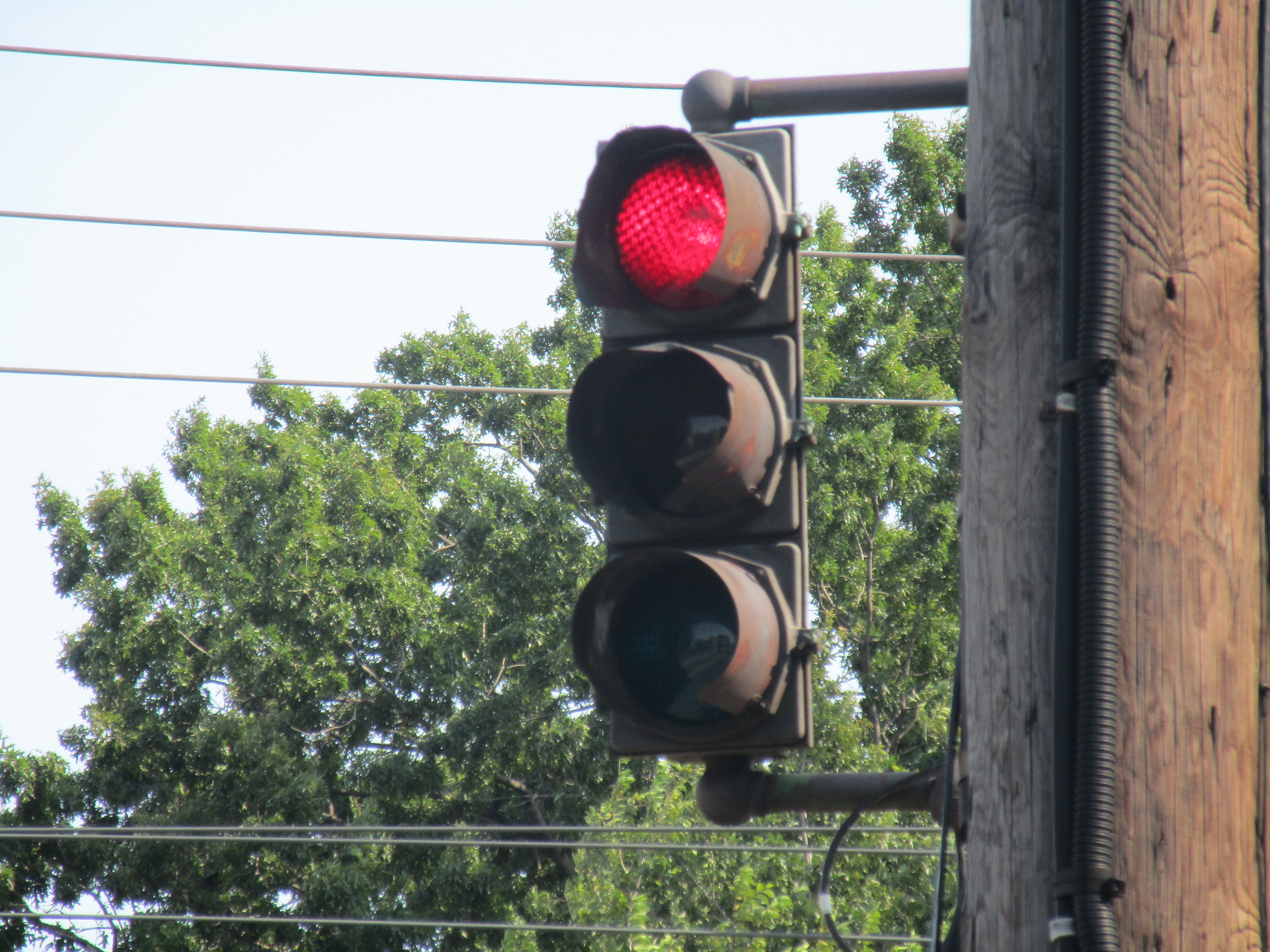
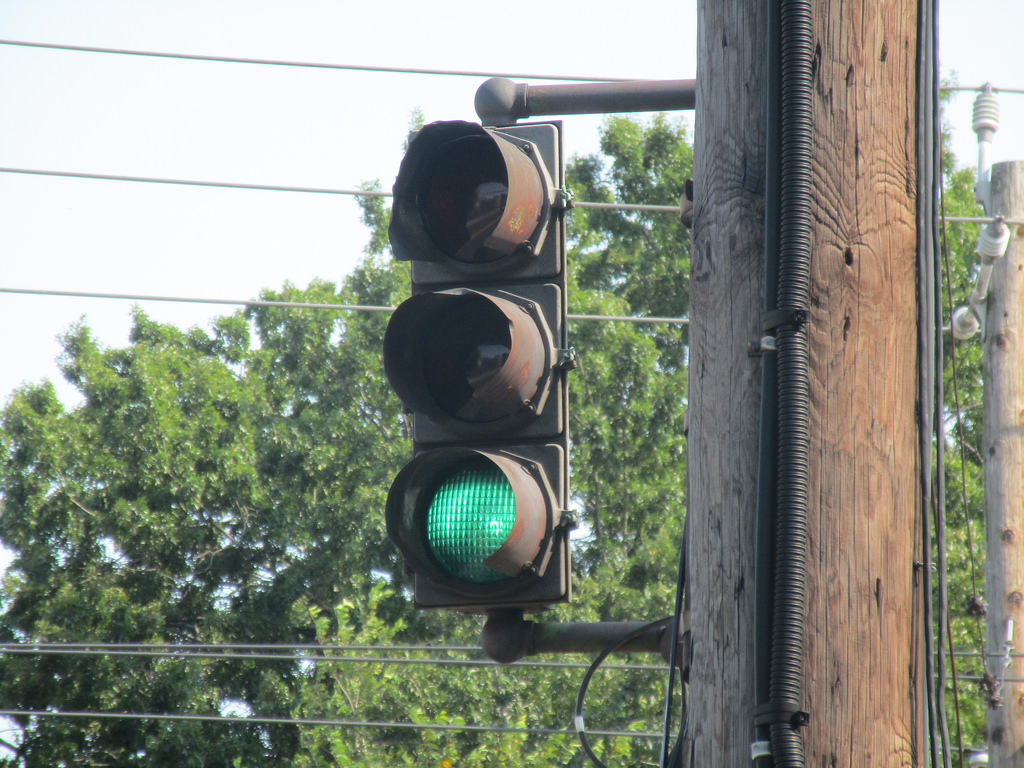
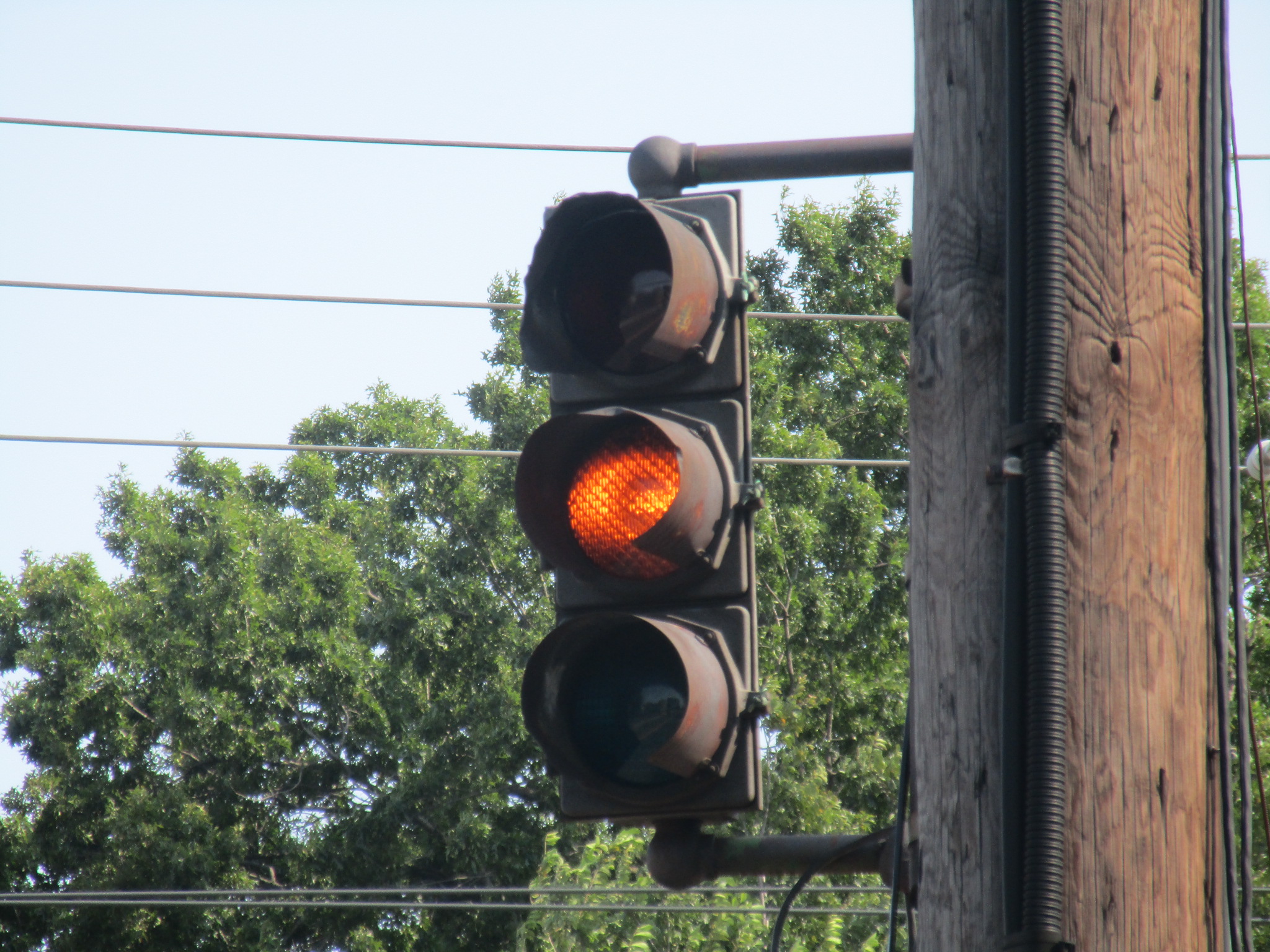
A couple years later, collector David Prince made his way to this intersection with camera in hand. Although the paired lights above were sadly gone, David spotted another Bakelite signal that Chris had missed, tucked away next to a telephone pole across the street. He took some excellent photos (below) and this video. This is probably the very last Horni brand signal head in operation in the state.

Pedestal Hornis – A Rare Collector’s Find
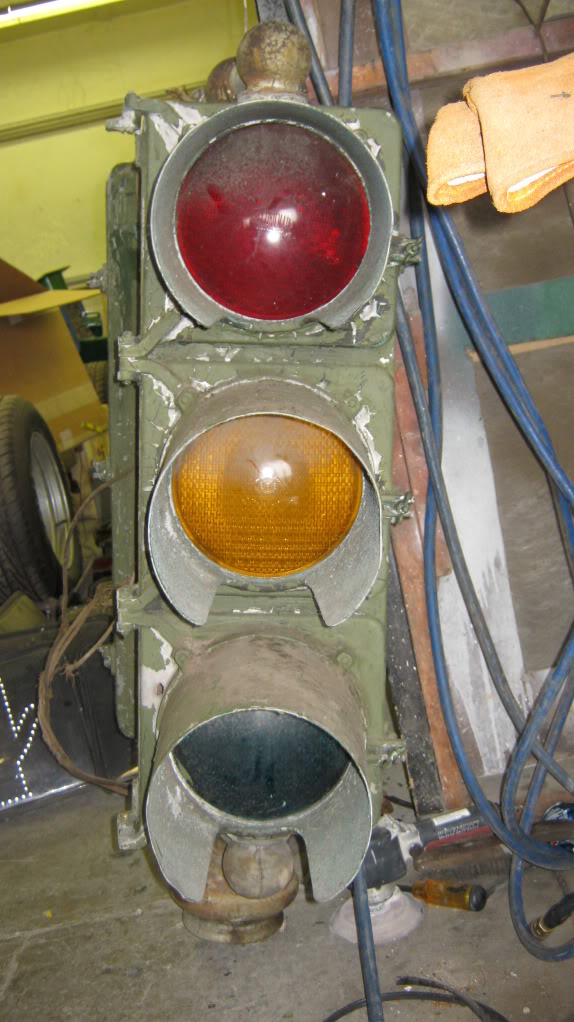
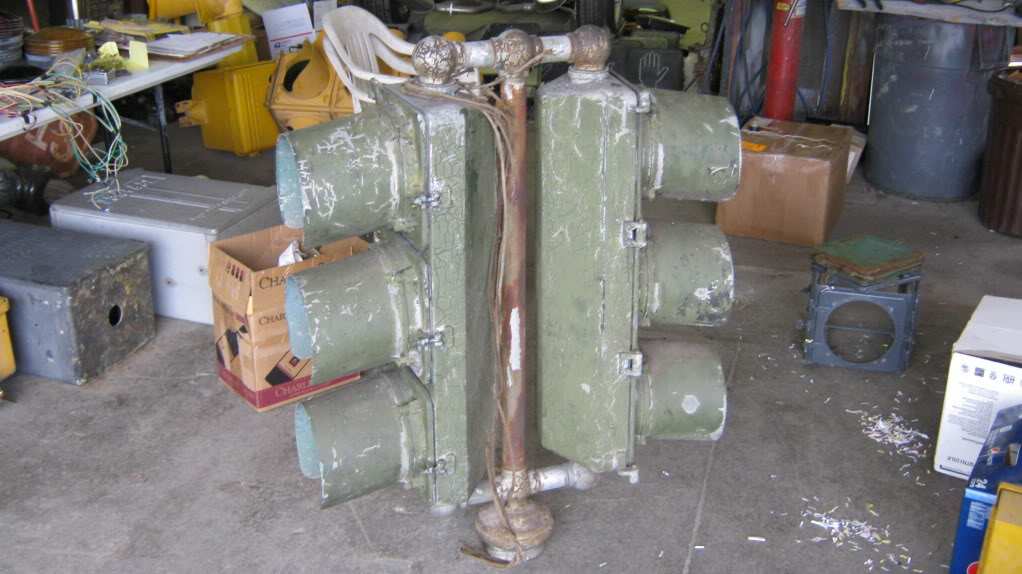

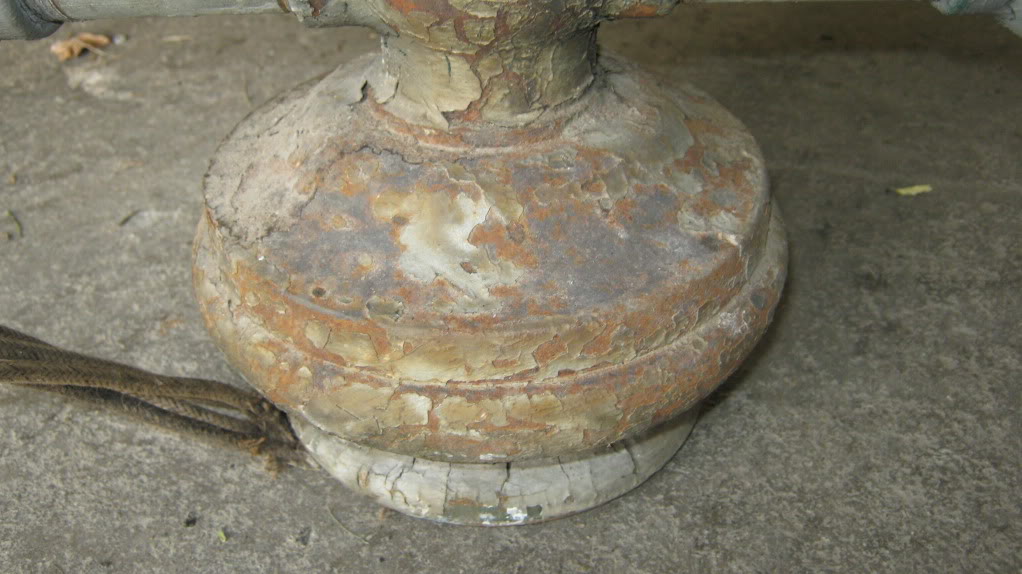

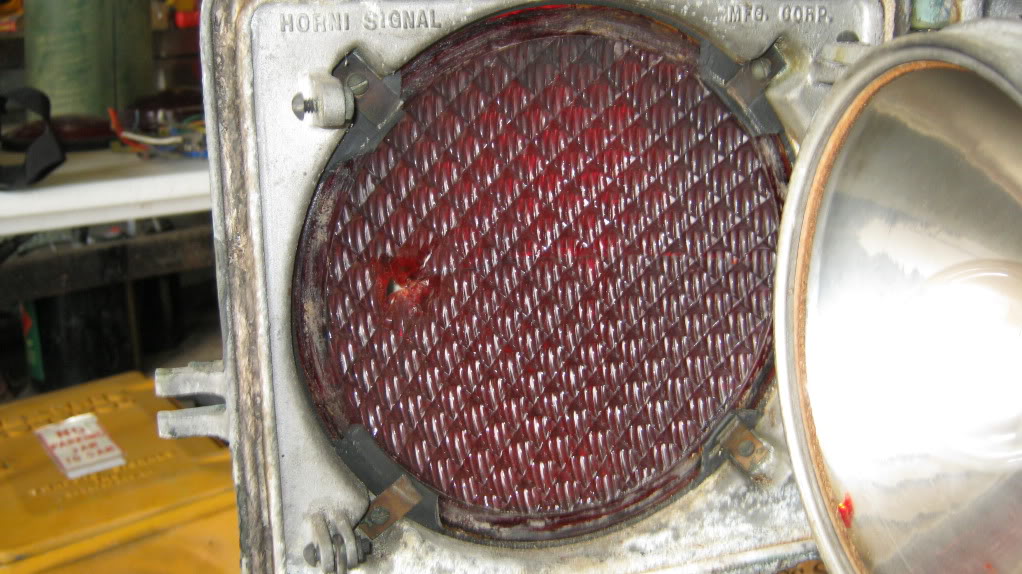
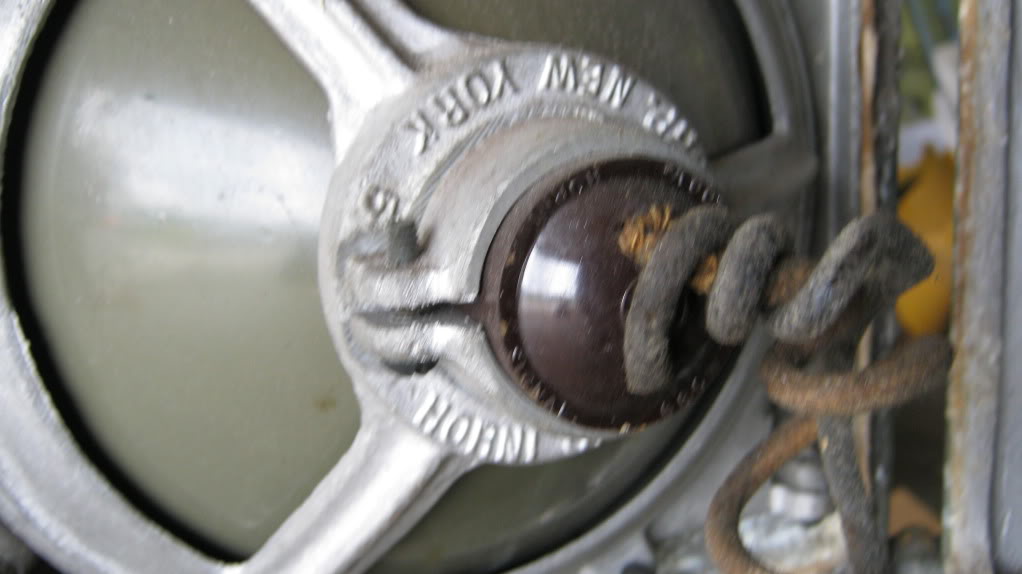
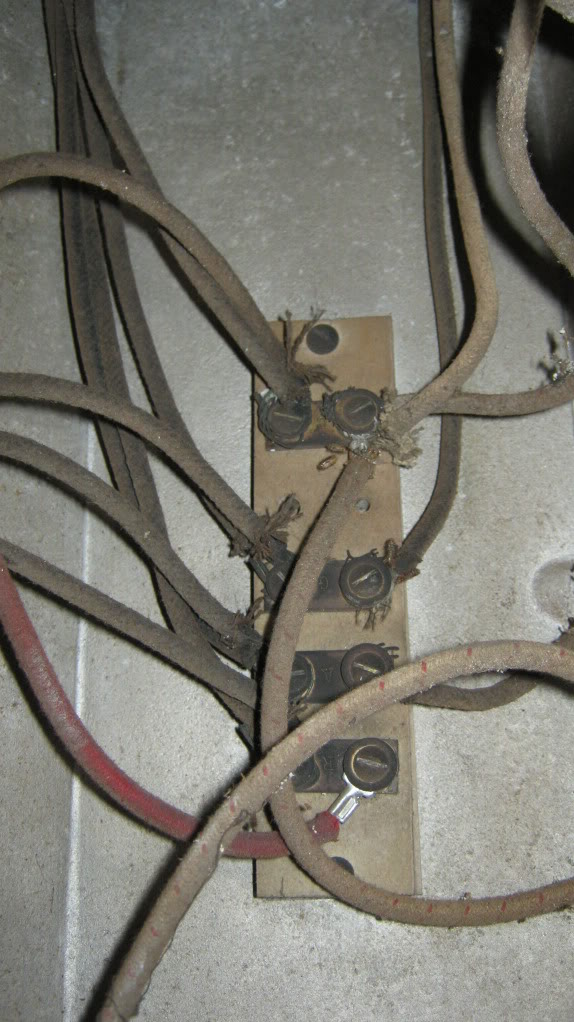
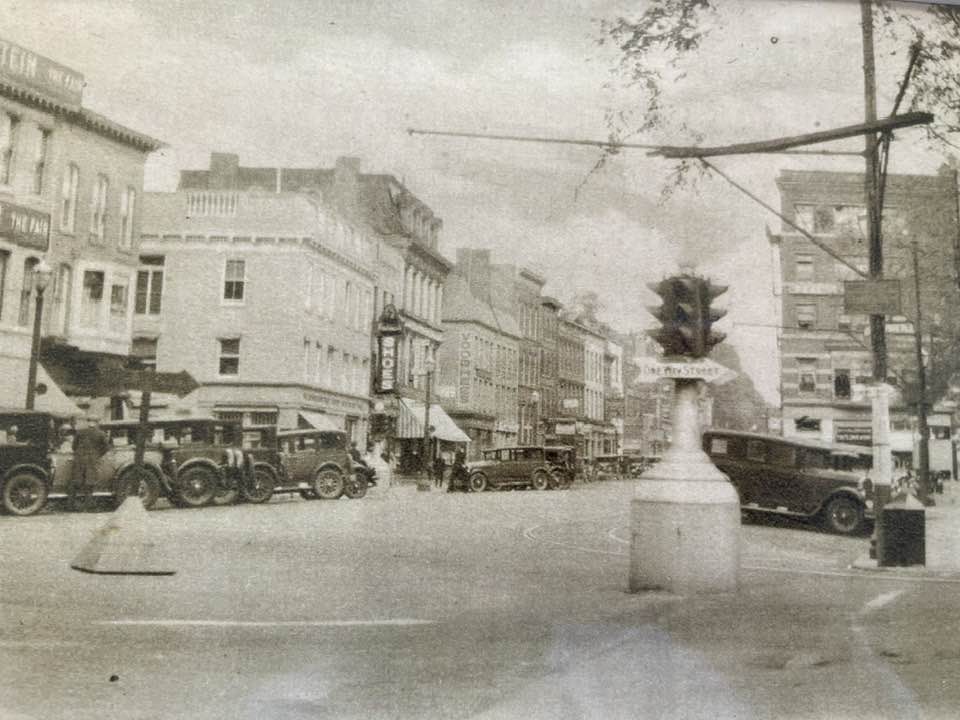
Here’s a truly amazing collecting score. Ohio collector Jay Jenkins acquired a pair of Horni corner-hinged signals with cast tunnel visors and full mounting hardware, like those seen in the black and white photo from Newark (below). His signals came from New Jersey, perhaps Newark, and it is the only survivor like it that I know of.
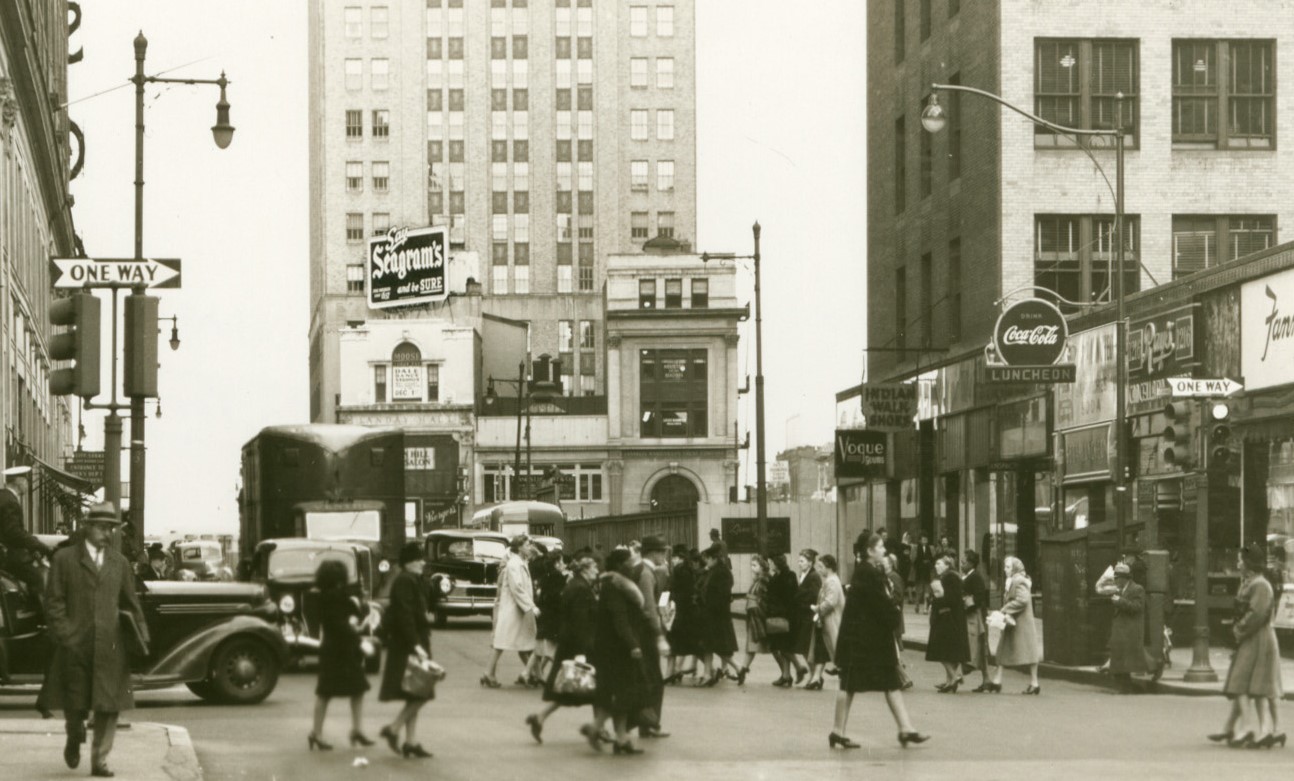
My Pedestal-Era Signal Photos
Signal heads from the pre-WWII era were still around in decent numbers when I was growing up, but they were nearly gone by the time I ever tried to photograph any of them. Here are the few classics that I was able to capture. These are not all pedestal-only installations, but they are from the era when pedestals were predominant and mast arms were less common.
Union – Horni’s Holdouts
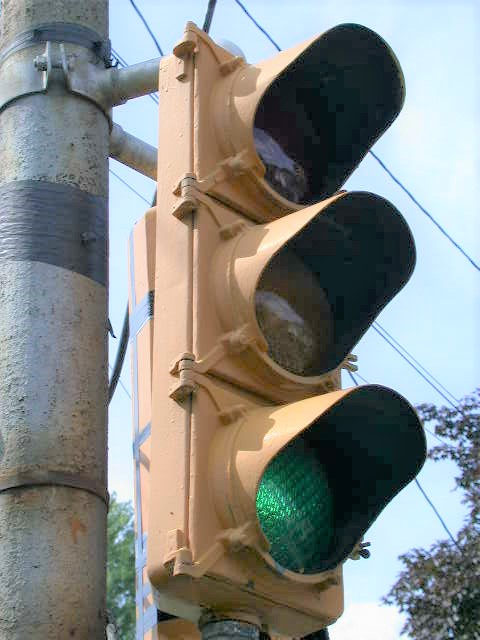


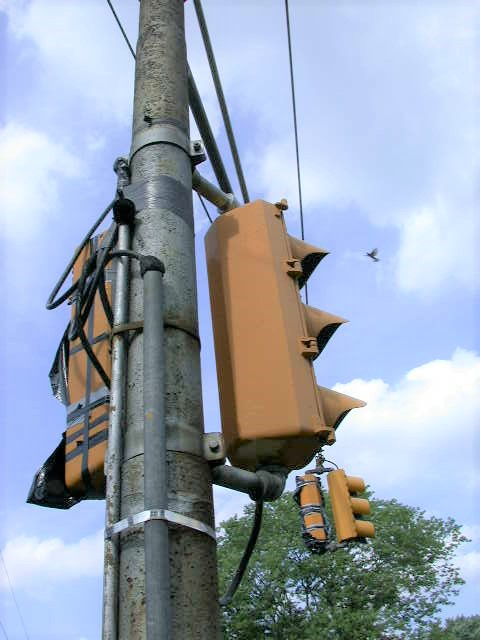
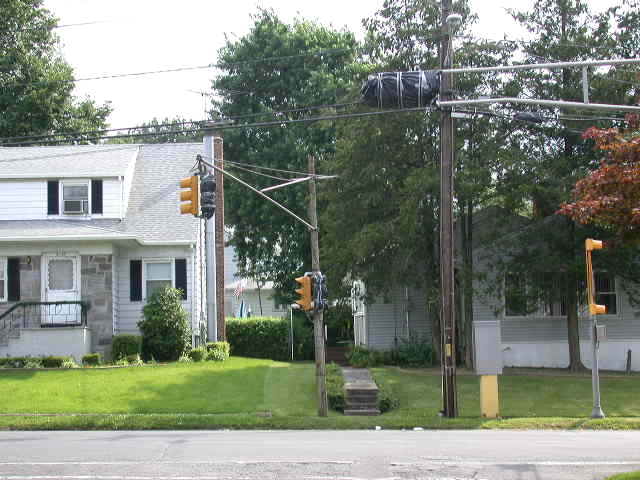
In 2003, I was shocked to discover this pair of ca. 1930 Horni signals at the intersection of Vauxhall Road and Glenn Avenue in Union. As with the Mahwah AGA further down this page, this is not in a commercial center, so I was surprised to find such old signals here. I assume it was probably a semi-rural crossroad in 1930. Sadly, I lost the original hi-res images from this day.
The signal facing Vauxhall had the original red and emerald green Horni-Kopp #27 lenses. The other head was wrapped in plastic due to the reversal of the one-way direction of Glenn Ave. Incredibly, the operational signal was converted to LED, and both survived on the pole until late 2015. Heaven knows, I tried to get a hold of these by contacting Union Township and Union County several times, but to no avail. These were likely the last solid-cast Hornis left in New Jersey.
Newark: GE Novalux

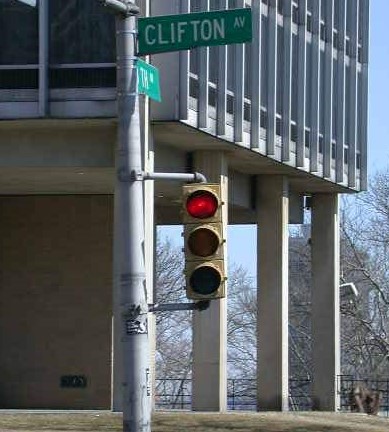
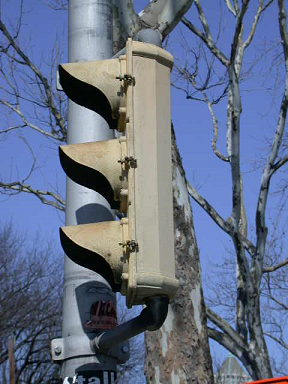

GE signals were very popular in Newark. In 2005, I spotted this 1930s GE “Wide-Hinge” Novalux still going there. The lenses were the original GE Holophane glass lenses. Sadly, his light was replaced soon after I found it. There are still many modular GE signals in Newark today, but I’m not sure if any solid-cast Novaluxes are left.
Mahwah: AGA on Union Metal Pedestal
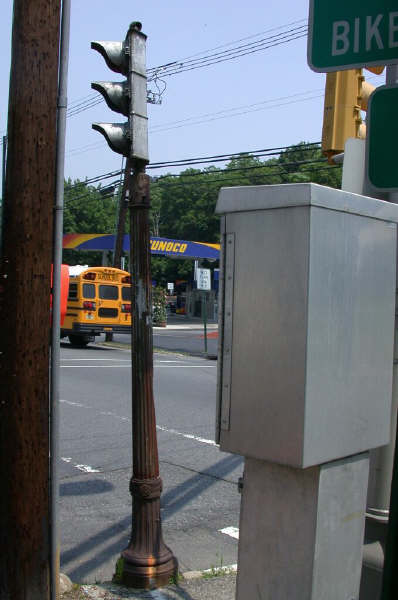
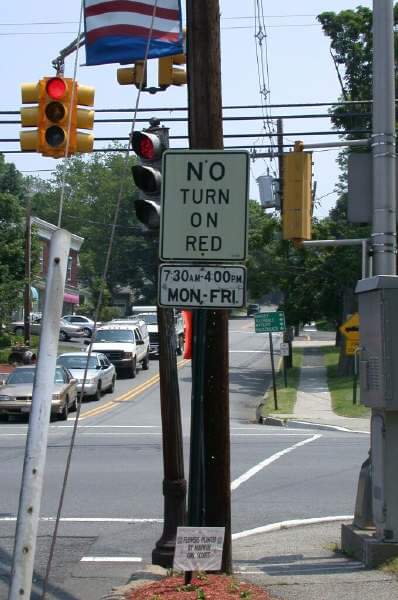
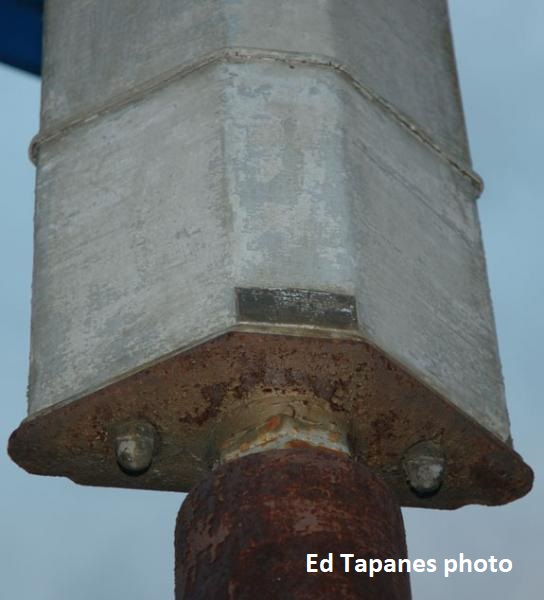
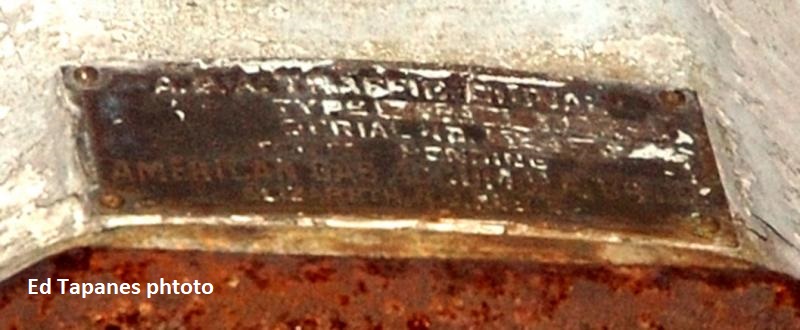
When I worked in Bergen County in the early 2000s, I discovered a ca. 1930 AGA signal on a Union Metal pedestal at Franklin Turnpike and Miller Road in Mahwah. Although Franklin Turnpike was the principal route between Bergen County NJ and lower NY State in those days, I’m almost amazed to think that any signals were installed here so long ago here when it was a mostly forested section of the former Hohokus Township. I guess it was a dangerous enough crossing even then.
The original lenses were large bead Cornings, but I did not take photos until they were replaced by LEDs. The original photos I took of this signal are lost, but the first two shots here are lower-resolution copies I recovered later. The two closeups of the American Gas Accumulator tag on the right were taken by Ed Tapanes. This signal was, sadly, removed in 2007 or 2008.
A similar AGA-style signal that served in Bergen County was recently found at an estate sale.
 Garden State Signals